
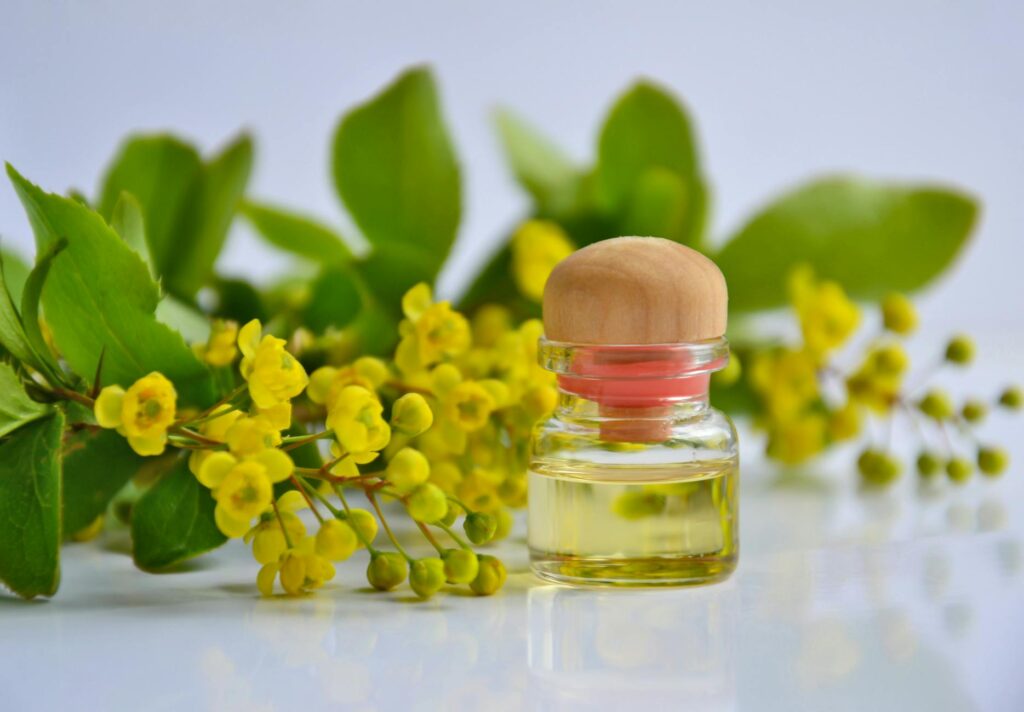
How to Use Herbal Infused Oils for Massage
Introduction
Herbal infused oils have been utilized for centuries across various cultures for their therapeutic properties and soothing effects. These oils are derived from the infusion of herbs in a carrier oil, capturing the essence of the plant material. With the rise of natural wellness practices, herbal infused oils have gained popularity in massage therapy, providing a holistic approach to relaxation and self-care. This article delves into the intricacies of herbal infused oils, exploring their benefits, applications, and safe usage.
What Are Herbal Infused Oils for Massage?
Herbal infused oils are created by steeping dried or fresh herbs in a carrier oil, allowing the oil to absorb the beneficial properties, aroma, and color of the herbs. Common carrier oils include olive oil, jojoba oil, almond oil, and coconut oil, each offering unique textures and benefits. The process of infusion allows for the extraction of the herbs’ active compounds, which can enhance the massage experience by promoting relaxation, easing tension, and nourishing the skin.
How to Make Herbal Infused Oils
To create an herbal infused oil, follow these simple steps:
1. Select Your Herbs: Choose herbs based on the desired properties. Popular choices include lavender for relaxation, chamomile for soothing skin, and rosemary for invigorating qualities.
2. Choose a Carrier Oil: Select a carrier oil that suits your skin type and preference. Olive oil is nourishing, while jojoba oil closely resembles the skin’s natural oils.
3. Infusion Process:
- Cold Infusion: Combine the herbs and carrier oil in a glass jar, ensuring the herbs are fully submerged. Seal the jar tightly and place it in a warm, sunny spot for 4-6 weeks, shaking it occasionally. Strain the oil through a fine mesh or cheesecloth into a clean bottle.
- Hot Infusion: Place the herbs and oil in a double boiler, heating gently for 2-3 hours. Monitor the temperature to avoid burning the herbs. Allow the oil to cool, then strain.
- Container: Store the oil in a dark glass bottle to protect it from light, which can degrade the oil over time.
- Temperature: Keep the infused oil in a cool, dark place, away from heat sources.
- Shelf Life: Generally, herbal infused oils can last for 6 months to 1 year if stored correctly. Regularly check for any changes in smell or appearance, which may indicate spoilage.
4. Storage: Store the infused oil in a dark glass bottle away from direct sunlight to prolong its shelf life.
Key Benefits and Properties
Herbal infused oils offer a range of benefits that can enhance the massage experience:
Skin Nourishment
Many herbal infused oils contain vitamins and fatty acids that nourish the skin. For example, almond oil is rich in vitamin E, which promotes skin health and elasticity.
Aromatic Experience
The aromatic compounds in infused oils contribute to an enhanced sensory experience during a massage. Scents like lavender and eucalyptus can create a calming atmosphere, reducing stress and anxiety.
Therapeutic Effects
Certain herbs have traditional uses for their therapeutic properties. For instance, arnica is often used for its anti-inflammatory effects, while chamomile is known for its calming qualities.
Common Uses
Herbal infused oils can be employed in various ways, including:
Massage Therapy
Herbal infused oils are commonly used in massage therapy to facilitate smooth movement and promote relaxation. The chosen herbs can enhance the overall experience, allowing for a deeper connection between the client and practitioner.
Skin Care
These oils can be applied directly to the skin for moisturizing or soothing purposes. Infused oils can help alleviate dryness and irritation, making them an excellent addition to daily skincare routines.
Aromatherapy
Incorporating herbal infused oils into aromatherapy practices can enhance mood and emotional well-being. They can be used in diffusers, added to baths, or inhaled directly for an uplifting experience.
Hair Care
Certain herbal infused oils can be beneficial for hair health. For instance, infused oils with rosemary are believed to promote hair growth and improve scalp health.
Aromatherapy Applications
In aromatherapy, the use of herbal infused oils extends beyond their physical applications. The scent of the oils can significantly influence emotional and psychological states. Here are some popular herbal infused oils and their potential applications:
Lavender
Lavender infused oil is celebrated for its calming and relaxing properties. It can be used in massage to reduce stress and promote sleep.
Peppermint
Peppermint infused oil is invigorating and refreshing. It can be beneficial for relieving headaches and enhancing focus when used in a massage or inhaled.
Eucalyptus
Eucalyptus infused oil is known for its refreshing aroma. It is often used to clear the respiratory system and can be effective in massages aimed at relieving muscle tension and promoting respiratory health.
Chamomile
Chamomile infused oil is renowned for its soothing properties. It is an excellent choice for massages aimed at promoting relaxation and alleviating skin irritation.
Safety Considerations
While herbal infused oils are generally safe for use, certain precautions should be taken:
Skin Sensitivity
Before applying any herbal infused oil to the skin, conduct a patch test to check for allergic reactions. Apply a small amount on the inner wrist and wait 24 hours to observe any adverse reactions.
Quality of Ingredients
Use high-quality, organic herbs and carrier oils to ensure the best results. Poor-quality ingredients may not provide the desired benefits and could cause skin irritations.
Avoiding Certain Herbs
Some herbs may interact with medications or have contraindications. Always research herbs thoroughly before use, and consult with a qualified professional if there are concerns about interactions.
Storage and Shelf Life
Proper storage is crucial for maintaining the quality of herbal infused oils. Follow these guidelines:
Frequently Asked Questions
Can I use herbal infused oils for sensitive skin?
Yes, but it is advisable to perform a patch test first. Some herbs may irritate sensitive skin, so select gentle options like chamomile or calendula.
How do I choose the right carrier oil?
Consider your skin type and personal preferences. For oily skin, lighter oils like jojoba or grapeseed may be preferable, while drier skin types may benefit from richer oils like olive or coconut.
How often should I use herbal infused oils for massage?
Frequency can vary based on individual needs and preferences. Regular use can enhance relaxation and skin health, but it is essential to listen to your body and adjust accordingly.
Can I combine different herbal infused oils?
Yes, combining different herbal infused oils can create a unique blend tailored to your needs. Ensure that the chosen herbs complement each other in terms of aroma and therapeutic properties.
Are there any herbs I should avoid?
Certain herbs, such as those that are known irritants or allergens, should be avoided. It is essential to research each herb and consult with a knowledgeable expert if unsure.
Conclusion
Herbal infused oils offer a multifaceted approach to massage therapy and self-care, providing both physical and emotional benefits. By understanding their properties, applications, and safety considerations, individuals can enhance their wellness routines with these natural products. Whether used in professional settings or for personal use, herbal infused oils can transform the massage experience, providing a holistic approach to relaxation and rejuvenation.