
How to Use Herbal Infused Oils for Pet Care
Introduction
As pet owners increasingly seek natural alternatives for their furry companions, herbal infused oils have gained popularity in the realm of pet care. These oils, derived from the infusion of herbs in a carrier oil, offer a range of benefits that can support the wellbeing of pets. This article explores the nature of herbal infused oils, their benefits, applications, safety considerations, and much more.
What Are Herbal Infused Oils for Pet Care?
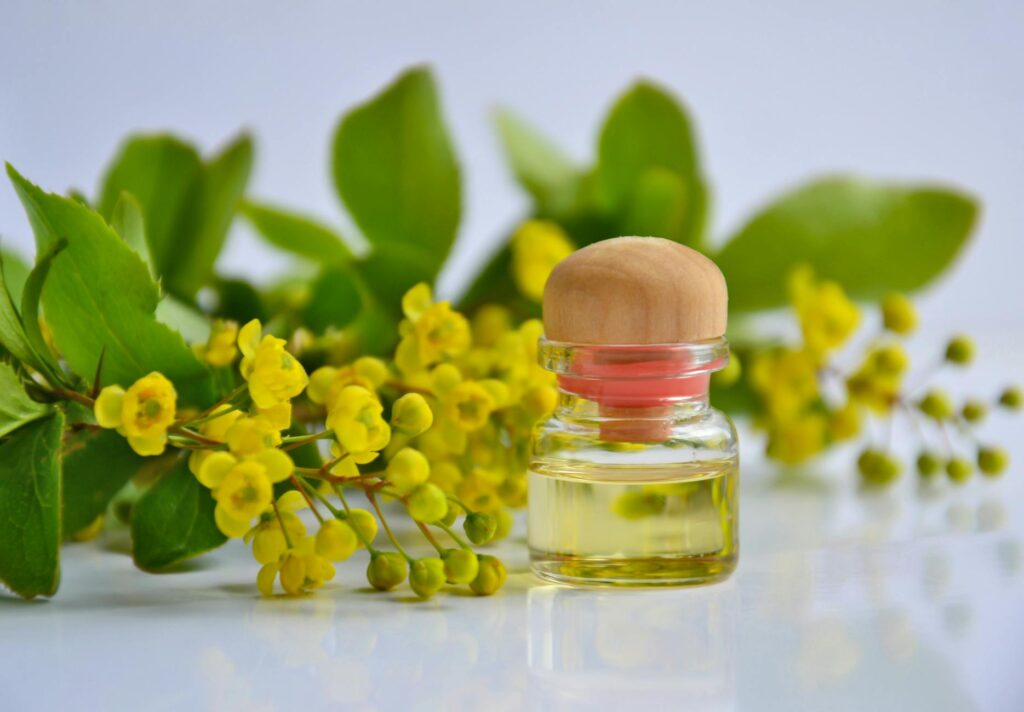
Herbal infused oils are created by steeping botanical herbs in a carrier oil, allowing the beneficial properties of the herbs to permeate the oil. Common carrier oils include olive oil, coconut oil, and jojoba oil, each with unique properties. The herbs used can vary widely, from lavender and chamomile to calendula and rosemary, each imparting its own set of characteristics and uses.
The process of infusion typically involves placing dried herbs into a jar, covering them with the chosen carrier oil, and allowing them to sit for an extended period—usually several weeks. This method extracts the active compounds from the herbs, resulting in a fragrant and versatile oil.
Key Benefits and Properties
Herbal infused oils are celebrated for their numerous benefits, which may include:
- Soothing Properties: Many herbs have calming effects, making them beneficial for anxious pets. For example, lavender is often recognized for its ability to promote relaxation.
- Anti-inflammatory Effects: Certain herbs, such as calendula, are known for their anti-inflammatory properties, which can help alleviate skin irritations and discomfort.
- Antimicrobial Action: Some infused oils possess antimicrobial properties, providing a natural way to support skin health and protect against infections.
- Moisturizing Benefits: Carrier oils like coconut oil are excellent for hydrating the skin and maintaining a healthy coat, making them useful for pets with dry or flaky skin.
- Digestive Support: Certain infused oils can be beneficial for digestive health, promoting comfort and balance.
- Diffusion: Use a diffuser to disperse the scent of the infused oil in a well-ventilated area. Ensure your pet can leave the space if they find it uncomfortable.
- Calming Sprays: Create a calming room spray by diluting the infused oil in water and using it to lightly mist the environment.
- Pillow Drops: Place a few drops on your pet’s bedding to create a soothing atmosphere during rest.
- Personalized Blends: Combine different infused oils to tailor the aroma to your pet’s needs, such as mixing a calming oil with a light, invigorating scent.
- While many infused oils are suitable for a variety of pets, it’s essential to research which herbs are safe for your specific animal. Dogs, cats, and other pets may have different sensitivities.
- Research the properties of various herbs and their suitability for your pet. Consult with a veterinarian or a qualified herbalist for tailored recommendations.
- Yes, making your own herbal infused oils is relatively simple. Ensure you follow proper guidelines for selecting herbs and carrier oils, and adhere to safety practices.
- If you notice any adverse reactions, such as redness, itching, or swelling, discontinue use immediately and consult a veterinarian for guidance.
- Yes, certain herbs can be harmful to pets. Always conduct thorough research and seek professional advice to ensure the safety of the herbs you choose.
Common Uses
Herbal infused oils can be utilized in various ways for pet care, including:
1. Topical Applications: Infused oils can be applied directly to the skin or coat for conditions such as dry skin, minor abrasions, or irritations. Always ensure the oil is suitable for your pet’s specific condition.
2. Massage Oils: These oils can be used for gentle massages, promoting relaxation and bonding between pet and owner. This can be particularly beneficial for older pets or those experiencing discomfort.
3. Ear Cleaning: Some infused oils can be used to support ear health. However, caution should be exercised to avoid introducing oil deep into the ear canal.
4. Flea and Tick Repellent: Certain herbal infused oils, like rosemary and eucalyptus, may deter pests when diluted properly and applied to the coat.
5. Calming Blends: For anxious pets, a blend of calming herbs infused in oil can be used during stressful situations, such as thunderstorms or vet visits.
Aromatherapy Applications
Aromatherapy is another dimension of utilizing herbal infused oils in pet care. While direct inhalation may not be suitable for all pets, here are some gentle ways to incorporate aromatherapy:
Safety Considerations
While herbal infused oils can be beneficial, it is crucial to approach their use with caution. Here are some safety guidelines:
1. Consult a Professional: Always consult with a veterinarian familiar with herbal remedies before using infused oils, especially for pets with existing health conditions or those on medication.
2. Dilution: Essential oils are potent; therefore, it’s essential to dilute them properly in a carrier oil before application. A general guideline is to use a few drops of infused oil per tablespoon of carrier oil.
3. Patch Testing: Before applying any infused oil to a larger area of your pet’s skin, conduct a patch test on a small area to check for any adverse reactions.
4. Avoid Ingestion: While some infused oils are safe for topical use, ingestion can lead to complications. Ensure that your pet does not lick the treated area immediately after application.
5. Know Your Herbs: Not all herbs are safe for pets. Familiarize yourself with which herbs are safe and beneficial for your specific type of pet. Some common herbs to avoid include garlic, onion, and certain essential oils like tea tree oil.
Storage and Shelf Life
To maintain the potency and effectiveness of herbal infused oils, proper storage is essential. Here are some tips:
1. Cool, Dark Place: Store the oils in a cool, dark place, such as a pantry or cupboard, away from direct sunlight and heat.
2. Dark Glass Containers: Use dark glass bottles or jars to protect the oils from light exposure, which can degrade their quality.
3. Labeling: Clearly label your infused oils with the date of infusion and the herbs used to keep track of their shelf life.
4. Shelf Life: Typically, herbal infused oils can last up to a year when stored properly; however, always check for changes in scent, color, or consistency before use.
Frequently Asked Questions
1. Can I use herbal infused oils on all types of pets?
2. How do I know which herbs to use for my pet?
3. Can I make my own herbal infused oils?
4. What should I do if my pet has an adverse reaction?
5. Are there any herbs I should avoid?
Conclusion
Herbal infused oils present a natural and holistic approach to pet care, offering a range of benefits that cater to various needs. By understanding their properties, uses, and safety considerations, pet owners can effectively incorporate these remedies into their pets’ routines. As always, informed decisions and professional guidance will ensure the best outcomes for your beloved companions.