
How to Use Herbal Infused Powders
Introduction
Herbal infused powders have gained popularity as versatile components in holistic wellness practices. These powdered forms of herbs, often created through the infusion of plant materials in oils, alcohols, or other mediums, capture the essence of their source materials while offering a myriad of applications. This article explores what herbal infused powders are, their benefits, common uses, and safety considerations, providing a comprehensive guide for those interested in incorporating them into their wellness routines.
What Is Herbal Infused Powders?
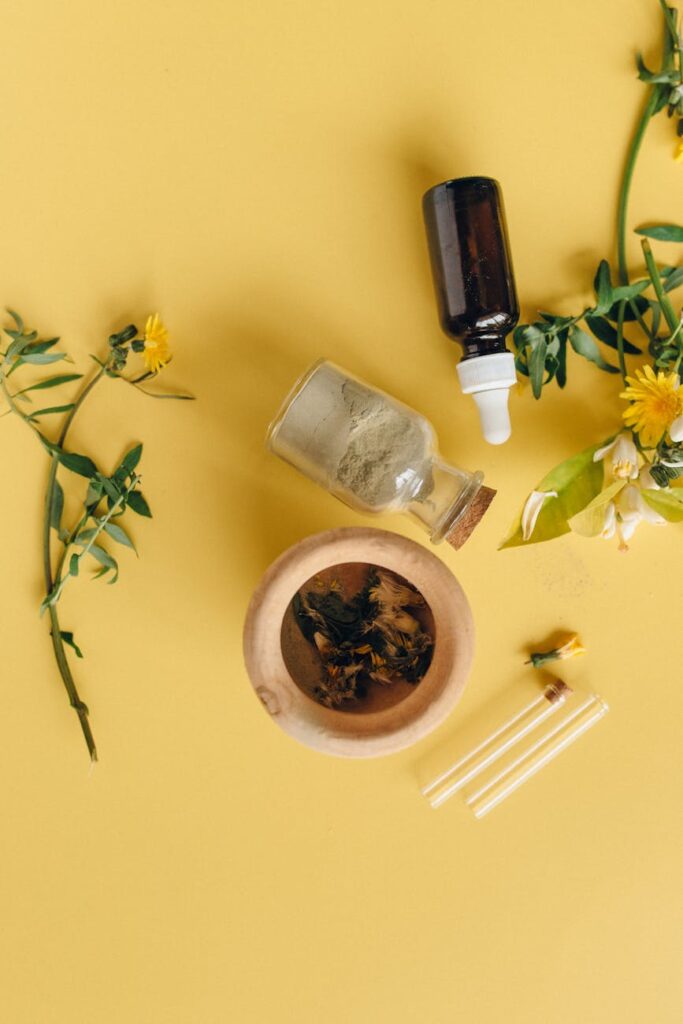
Herbal infused powders are finely ground forms of herbs that have been infused in a liquid medium. The process of infusion typically involves soaking dried herbs in a solvent such as oil, alcohol, or vinegar, allowing the beneficial compounds to leach into the medium. Once the infusion is complete, the liquid is strained, and the remaining herbal material is dried and ground into a fine powder.
The result is a concentrated form of the herb that retains many of its aromatic and therapeutic properties. Herbal infused powders can be derived from a variety of plants, each offering unique attributes based on its chemical composition and traditional uses.
Key Benefits and Properties
Herbal infused powders are celebrated for their diverse range of properties:
1. Concentration of Beneficial Compounds: The infusion process extracts essential oils, alkaloids, flavonoids, and other active compounds, creating a potent product.
2. Versatility: These powders can be used in various applications, from culinary uses to cosmetic formulations and herbal remedies.
3. Natural Aromatherapy: The aromatic properties of the infused powders can enhance mood and create a soothing atmosphere when used in conjunction with other aromatherapy practices.
4. Sustainability: Herbal infused powders can be made at home, allowing for a sustainable approach to utilizing plant materials.
5. Ease of Use: Their powdered form makes them easy to incorporate into recipes, skincare, or wellness routines.
Common Uses
Herbal infused powders can be used in a wide array of applications:
Culinary Uses
- Flavor Enhancer: Add infused powders to dishes for a burst of flavor. For example, garlic-infused powder can be sprinkled on roasted vegetables or incorporated into marinades.
- Natural Colorant: Some herbal powders, like beet or turmeric, can add vibrant colors to foods, enhancing both visual appeal and nutritional value.
- Baking Ingredient: Incorporate infused powders into baked goods to provide unique flavors and health benefits. Lavender-infused powder, for instance, can elevate cookies and cakes.
- Face Masks: Blend herbal infused powders with other natural ingredients like yogurt or honey to create nourishing face masks.
- Exfoliating Scrubs: Combine infused powders with sugar or salt for a natural exfoliant that can rejuvenate the skin.
- Bath Soaks: Add herbal infused powders to bath salts or oils for a relaxing and aromatic bathing experience.
- Natural Cleaning Agents: Some infused powders, particularly those with antimicrobial properties, can be included in homemade cleaning solutions.
- Potpourri: Use herbal infused powders in potpourri mixes to naturally fragrance living spaces.
Cosmetic and Skincare Applications
Home and Household Uses
Aromatherapy Applications
Aromatherapy is the practice of using essential oils and aromatic compounds to enhance physical and emotional well-being. Herbal infused powders can play a significant role in this practice:
1. Diffusion: While typically essential oils are used in diffusers, some herbal infused powders can be placed in sachets or mixed with water and heated, releasing their aromatic properties.
2. Inhalation: Create inhalation blends by mixing herbal infused powders with carrier oils and applying them to a cotton ball or tissue. This method allows for the direct inhalation of the powder’s aroma.
3. Massage Oils: Combine herbal infused powders with carrier oils to create aromatic massage oils that not only smell pleasant but also offer skin benefits.
4. Bathing: Adding herbal powders to bathwater can create a soothing environment while allowing the skin to absorb beneficial compounds.
Safety Considerations
While herbal infused powders can be beneficial, it is important to consider safety:
1. Allergies: Some individuals may have allergies or sensitivities to specific herbs. It is advisable to conduct a patch test before using any new herbal infused powder on the skin.
2. Quality of Ingredients: Use high-quality, organic herbs to avoid exposure to pesticides and other chemicals. Additionally, ensure that the infusion process is carried out in a clean environment.
3. Consultation with Professionals: For those with pre-existing health conditions or who are pregnant, consulting with a qualified professional before using herbal infused powders is recommended.
4. Avoiding Contamination: Ensure that all equipment used in the infusion process is clean and dry to prevent contamination.
Storage and Shelf Life
Proper storage is crucial to maintaining the quality of herbal infused powders:
1. Containers: Store the powders in airtight containers to protect them from moisture and light. Glass jars are often preferable, as they do not react with the herbs.
2. Cool, Dark Place: Keep the containers in a cool, dark place to prevent degradation of the aromatic compounds.
3. Shelf Life: Generally, herbal infused powders can last for several months, but their potency may diminish over time. Regularly check for any signs of spoilage, such as off-odors or discoloration.
Frequently Asked Questions
Can I make herbal infused powders at home?
Yes, herbal infused powders can be easily made at home by selecting your desired herbs, infusing them in a suitable medium, and then drying and grinding them into a powder.
What herbs are best for infusion?
Common herbs for infusion include lavender, chamomile, rosemary, and garlic. The choice of herb depends on the intended use, whether culinary, cosmetic, or aromatic.
How do I know if an herbal infused powder is still good to use?
Check for any unusual odors, changes in color, or clumping. If the powder appears dried out and has a stale scent, it may be time to dispose of it.
Can I use herbal infused powders in cooking?
Absolutely! Herbal infused powders can enhance the flavor and nutritional profile of various dishes. Experiment with different powders to find what works best for your palate.
Are there any contraindications for using herbal infused powders?
While most herbal infused powders are safe for general use, it is essential to be aware of potential allergies and sensitivities. If unsure, consult with a healthcare professional.
Conclusion
Herbal infused powders are a versatile and beneficial addition to both culinary and holistic practices. Their concentrated properties allow for a wide range of applications, from flavoring dishes to enhancing skincare routines. By understanding their uses, benefits, and safety considerations, individuals can effectively incorporate these herbal treasures into their daily lives, harnessing the power of nature for wellness and enjoyment.