
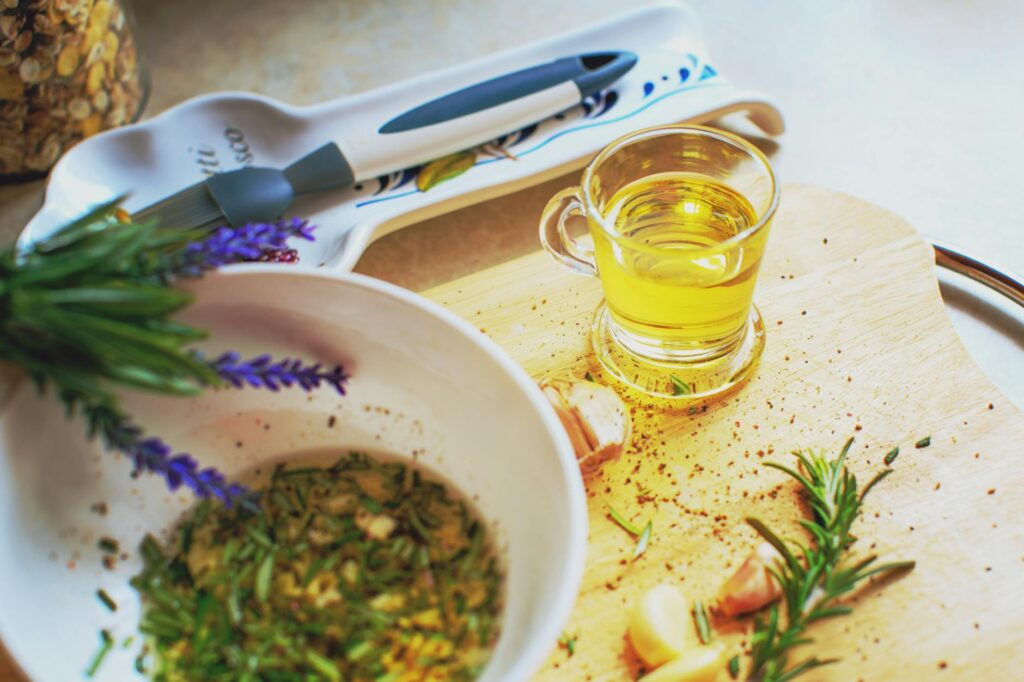
How to Use Herbal Infused Salts for Culinary Use
Introduction
Herbal infused salts are a delightful culinary innovation that combines the flavor-enhancing properties of salt with the aromatic and therapeutic qualities of herbs. These unique blends not only elevate the taste of dishes but also offer a sensory experience that can be reminiscent of nature’s bounty. This article will explore the concept of herbal infused salts, their benefits, common applications, and safe usage practices, providing a comprehensive guide for culinary enthusiasts and herb aficionados alike.
What Is Herbal Infused Salts for Culinary Use?
Herbal infused salts are finely ground salts infused with various herbs, spices, and sometimes other flavorings. This infusion process allows the flavors and aromatic compounds of the herbs to permeate the salt, resulting in a seasoning that is rich in both taste and fragrance. Common base salts used for infusion include sea salt, Himalayan pink salt, and kosher salt. The infusion can be achieved through various methods, including blending, soaking, or even dehydrating herbs before mixing them with salt.
The process of making herbal infused salts is often straightforward, requiring only a few ingredients and minimal equipment. The final product can vary in flavor profile depending on the herbs used, making these salts a versatile addition to any kitchen.
Key Benefits and Properties
Herbal infused salts offer several benefits, both from a culinary and sensory perspective:
1. Flavor Enhancement: The primary purpose of using herbal infused salts is to enhance the flavor of dishes. The combination of salt and herbs can elevate the taste profile of meats, vegetables, and even baked goods.
2. Aroma: Freshly infused salts carry the aromatic qualities of the herbs used in their preparation, creating an olfactory experience that can complement the visual appeal of food.
3. Versatility: Depending on the herbs chosen for the infusion, these salts can be used in various culinary applications, from seasoning roasted vegetables to enhancing salad dressings.
4. Natural Ingredients: Herbal infused salts can be made entirely from natural ingredients, providing an alternative to commercial seasoning products that may contain additives.
5. Customizable: The ability to create personalized blends allows for experimentation with flavor combinations tailored to individual tastes and dietary needs.
Common Uses
Herbal infused salts can be used in a multitude of culinary applications, including but not limited to:
1. Seasoning: Use these salts to season meats, poultry, and fish before cooking. The infusion of herbs can provide a unique flavor that complements the main ingredient.
2. Garnishing: Sprinkle herbal infused salts on finished dishes as a garnish. This not only adds flavor but also enhances the visual appeal of the meal.
3. Cooking: Incorporate herbal infused salts into recipes where salt is called for, such as soups, stews, and marinades. The infusion of herbs will add complexity to the overall flavor.
4. Baking: Use herbal infused salts in bread or cracker recipes to impart subtle flavors, which can elevate simple baked goods to gourmet status.
5. Salad Dressings: Combine herbal infused salts with oils, vinegars, and other salad ingredients to create a flavorful dressing that pairs well with fresh greens.
6. Dips and Spreads: Incorporate herbal infused salts into dips and spreads such as hummus or cream cheese mixtures for added flavor.
Aromatherapy Applications
While primarily used in culinary contexts, herbal infused salts may also carry aromatic properties that can be beneficial in other areas, such as aromatherapy. The essential oils found in the herbs used for infusion can contribute to a calming or invigorating atmosphere when the salts are heated or used in cooking.
1. Sensory Experience: When used in cooking, the aromatic qualities of herbal infused salts can stimulate the senses, enhancing the overall dining experience.
2. Relaxation: Certain herbs, such as lavender and chamomile, are known for their calming effects. Incorporating these herbs in infused salts can create a relaxing ambiance when the salts are used in a cooking context.
3. Mindful Cooking: The act of preparing meals with herbal infused salts can serve as a form of mindful cooking, encouraging individuals to engage with the ingredients and appreciate the sensory experience of food preparation.
Safety Considerations
While herbal infused salts are generally safe for culinary use, it is essential to consider a few safety guidelines:
1. Quality Ingredients: Use high-quality, food-grade herbs and salts to ensure the best flavor and safety.
2. Allergies: Be aware of any allergies or sensitivities to specific herbs. Always inform guests about the ingredients used in herbal infused salts.
3. Storage: Proper storage is crucial to prevent contamination and prolong shelf life. Store infused salts in airtight containers in a cool, dark place.
4. Preservation: Some herbs may lose their potency over time. Using fresh herbs can provide a more vibrant flavor profile, but dried herbs can also be effective if done correctly.
Storage and Shelf Life
The storage and shelf life of herbal infused salts depend on the ingredients used and how they were prepared. Here are some guidelines for optimal storage:
1. Container: Store herbal infused salts in airtight containers, preferably glass or ceramic, to prevent moisture entry and preserve flavor.
2. Location: Keep the containers in a cool, dark place away from direct sunlight, which can degrade the quality of the herbs.
3. Shelf Life: Generally, herbal infused salts can last for several months to a year when stored properly. However, it is advisable to check for any changes in aroma or appearance before use.
4. Labeling: Consider labeling containers with the date of preparation and the herbs used. This can help keep track of freshness and usage.
Frequently Asked Questions
1. Can I use any type of salt for herbal infusions?
Yes, you can use various types of salt, including sea salt, Himalayan pink salt, and kosher salt. Each type may impart a different flavor profile, so choose based on your preferences.
2. How do I know which herbs to use in my infused salts?
The choice of herbs depends on your taste preferences and the types of dishes you plan to season. Common herbs include rosemary, thyme, basil, and oregano, but feel free to experiment with others.
3. How can I make my herbal infused salts?
To make herbal infused salts, combine salt with finely chopped fresh or dried herbs. Mix well and let the mixture sit for a few days to a week to allow the flavors to meld. Store in an airtight container afterward.
4. Are herbal infused salts suitable for all dietary restrictions?
While herbal infused salts are generally safe, it’s essential to consider individual dietary restrictions, including allergies to specific herbs. Always check the ingredients if serving to others.
5. Can I use infused salts in baking?
Yes, herbal infused salts can be used in baking to add flavor to bread, crackers, and other baked goods. Adjust the quantity based on your taste preferences.
Conclusion
Herbal infused salts are a versatile and flavorful addition to culinary practices, offering a unique way to enhance dishes while providing aromatic benefits. By understanding the various applications, safety considerations, and storage practices, you can create and enjoy your herbal infused salts, transforming ordinary meals into extraordinary culinary experiences. Whether you’re a seasoned cook or a novice in the kitchen, these infused salts add a touch of creativity and natural flavor that can elevate any dish.