
How to Use Herbal Infused Salts
Introduction
Herbal infused salts are a versatile addition to culinary practices and holistic wellness. Combining the natural properties of herbs with the mineral richness of salt, these infused salts not only enhance flavor but also offer a range of aromatic and therapeutic benefits. This article explores the various aspects of herbal infused salts, including their benefits, applications, safety considerations, and storage tips.
What Is Herbal Infused Salts?
Herbal infused salts are created by blending salt with dried herbs, flowers, or spices, allowing the salt to absorb the essential oils and flavors from the botanicals. This process can be achieved through several methods, such as cold infusion, heat infusion, or simply mixing dry ingredients. The result is a flavorful seasoning that can enhance various dishes while imparting subtle herbal notes.
Common salts used for infusion include:
- Sea Salt: Known for its mineral content and flavor.
- Himalayan Pink Salt: Valued for its trace minerals and striking color.
- Kosher Salt: Often preferred by chefs for its flaky texture.
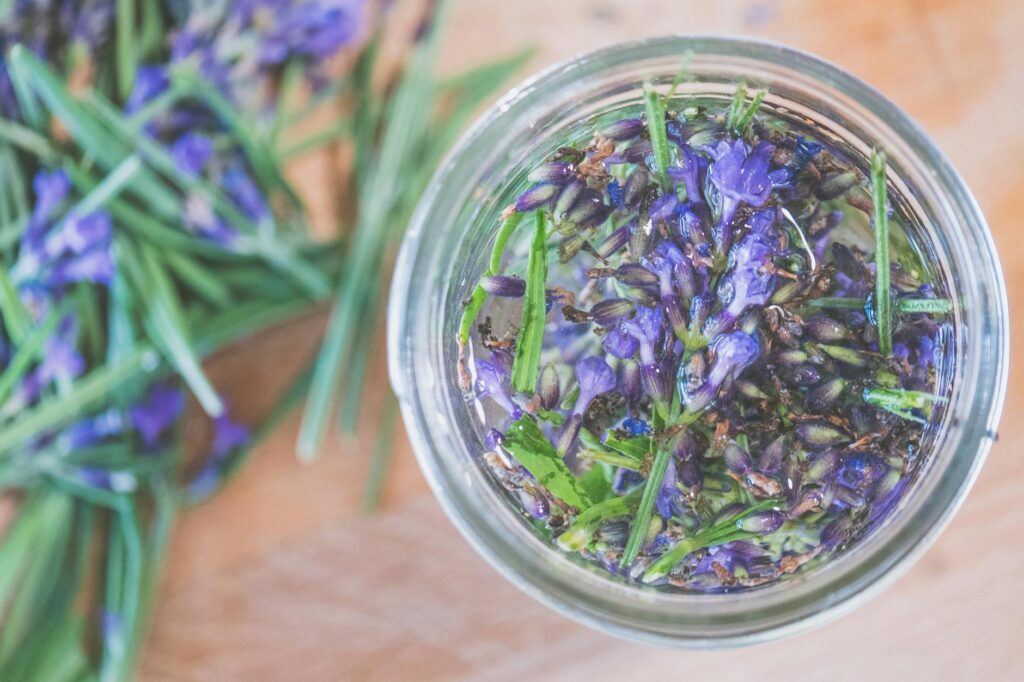
Some popular herbs for infusion include rosemary, thyme, lavender, and basil, each contributing unique flavors and aromas.
Key Benefits and Properties
Herbal infused salts provide both culinary and aromatic benefits, making them a valuable addition to any kitchen or wellness routine.
1. Flavor Enhancement
Herbal salts can significantly elevate the taste of dishes. The infusion process allows the salt to carry the essence of the herbs, creating a more complex flavor profile. For instance, rosemary-infused salt can add a savory depth to roasted meats, while lavender-infused salt may complement desserts or baked goods.
2. Aromatherapy Qualities
Many herbs used in infusions possess aromatherapeutic properties. For example, rosemary is often associated with mental clarity, while lavender is known for its calming effects. These qualities can enhance the cooking experience, transforming meal preparation into a sensory journey.
3. Natural Seasoning
Herbal infused salts provide a natural alternative to commercial seasonings, which may contain additives or preservatives. By using high-quality herbs and salts, one can create a more wholesome seasoning that aligns with personal dietary preferences.
4. Potential Health Benefits
While herbal infused salts should not be considered a substitute for medical treatment, the herbs used may carry beneficial properties. For example, thyme is known for its antimicrobial qualities, and basil is often celebrated for its antioxidant content.
Common Uses
Herbal infused salts can be employed in a variety of culinary applications:
1. Seasoning
Use herbal salts as a finishing touch on roasted vegetables, meats, or fish. A sprinkle of lemon-thyme salt over grilled asparagus can elevate the dish, adding both flavor and visual appeal.
2. Baking
Incorporate herbal salts into baked goods for a unique twist. Rosemary-infused salt can enhance bread, while lavender salt may be delightful in cookies or muffins.
3. Salads and Dressings
Add herbal salts to salads or homemade dressings for an extra layer of flavor. A pinch of basil salt can transform a simple vinaigrette into a gourmet dressing.
4. Garnishing
Herbal infused salts make excellent garnishes for dishes. Use them to top soups, stews, or even popcorn, providing a burst of flavor and color.
5. Gifts
Homemade herbal infused salts can be charming gifts. Present them in decorative jars, labeling each with its ingredients and suggested uses.
Aromatherapy Applications
While culinary applications are a primary focus, herbal infused salts can also be utilized in aromatherapy practices. The aromatic properties of the infused herbs can enhance relaxation and mindfulness during cooking or meal times.
1. Bath Salts
Herbal infused salts can be added to bathwater for a soothing experience. For example, lavender-infused salt can promote relaxation, while eucalyptus-infused salt may invigorate the senses.
2. Meditation and Mindfulness
Incorporating herbal salts into mindfulness practices can enhance the sensory experience. The aromas released during cooking or preparation can help ground individuals, creating a more focused and tranquil atmosphere.
3. Home Fragrance
Place open jars of herbal infused salts around the home to release subtle fragrances. As the salts absorb moisture from the air, they can emit delightful herbal scents.
Safety Considerations
While herbal infused salts are generally safe for culinary use, it is essential to consider certain factors:
1. Allergies
Individuals should be aware of any allergies to specific herbs or ingredients. Always read labels and ensure that the herbs used do not pose a risk.
2. Moderation
While herbs can offer flavor and potential benefits, it’s important to use herbal salts in moderation. Excessive salt intake can lead to health concerns, so balance is key.
3. Storage
Ensure that infused salts are stored in airtight containers to prevent moisture absorption, which can lead to clumping or spoilage.
Storage and Shelf Life
Proper storage is crucial for maintaining the quality of herbal infused salts. Here are some tips:
1. Container
Use airtight glass jars or containers to store infused salts. Dark glass containers can help protect the contents from light, extending shelf life.
2. Cool, Dry Place
Store herbal infused salts in a cool, dry environment away from direct sunlight. A pantry or cupboard is often an ideal choice.
3. Shelf Life
Typically, herbal infused salts can last between six months to a year, depending on the herbs used and storage conditions. Regularly check for changes in color, texture, or aroma to assess quality.
Frequently Asked Questions
1. Can I use fresh herbs for infusion?
While fresh herbs can be used, they often contain moisture that can lead to spoilage. It is recommended to use dried herbs for a longer shelf life.
2. How do I make my own herbal infused salts?
To create herbal infused salts, simply combine salt with dried herbs in a bowl. Mix well, ensuring the salt is evenly coated with the herbal essence. Store the mixture in an airtight container and let it sit for a few weeks to allow flavors to meld.
3. Are there any specific herbs that should not be used?
While most culinary herbs are safe for infusion, some may have strong flavors that could dominate the salt, such as mint. It is advisable to experiment with small batches to find combinations that suit your palate.
4. Can herbal infused salts be used in cooking for dietary restrictions?
Herbal infused salts can be tailored to suit various dietary preferences, provided that the herbs and salts used are compliant with the specific dietary needs.
5. How can I incorporate herbal infused salts into my daily routine?
Start by replacing regular salt with herbal infused salts in your cooking. Experiment with different flavors to find combinations that enhance your meals and elevate your culinary experiences.
Conclusion
Herbal infused salts present a unique opportunity to enhance culinary practices and embrace the aromatic qualities of herbs. Whether used in cooking, baking, or as part of a wellness routine, these infused salts offer a sensory experience that transcends basic seasoning. With awareness of safety considerations and proper storage techniques, herbal infused salts can be a delightful addition to any kitchen or holistic practice.