
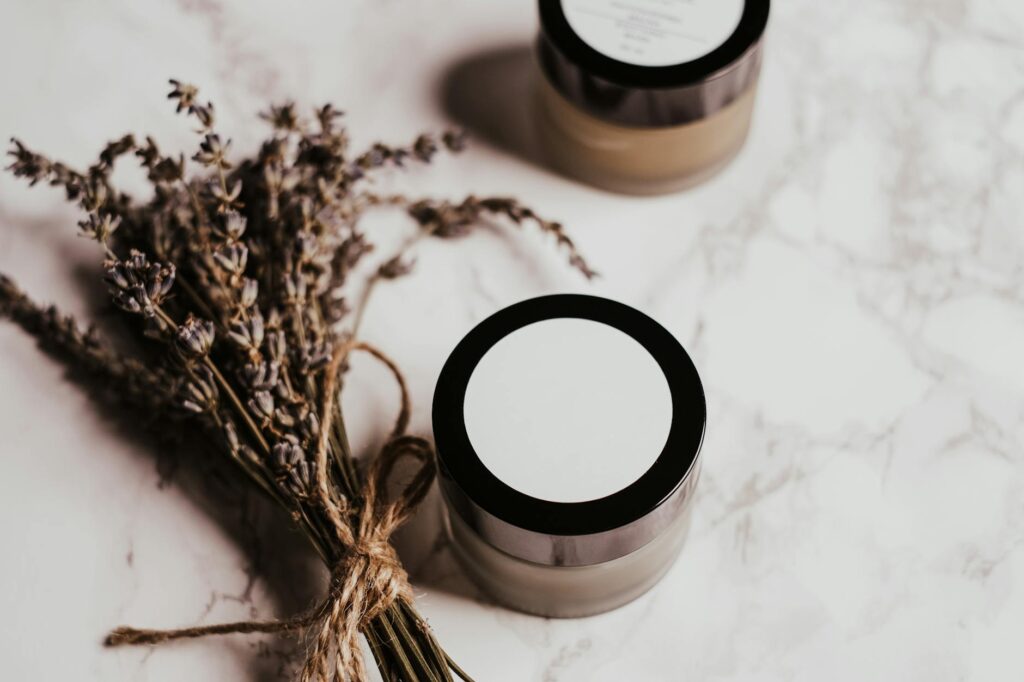
How to Use Herbal Infused Salves for Skin Conditions
Introduction
Herbal infused salves have been used for centuries as natural remedies for a variety of skin conditions. These topical preparations combine the healing properties of herbs with carrier oils and waxes to create a soothing balm that can be applied directly to the skin. In this article, we will explore what herbal infused salves are, their key benefits, common uses, and how to incorporate them into your routine. We will also discuss safety considerations, storage, and shelf life, along with addressing frequently asked questions.
What Is Herbal Infused Salves for Skin Conditions?
Herbal infused salves are semi-solid preparations made by combining herbal extracts with a carrier oil and a thickening agent, often beeswax. The process of infusion involves steeping herbs in a carrier oil, allowing their beneficial properties to be extracted and preserved. This mixture is then cooled and solidified, resulting in a salve that can be applied topically.
The choice of herbs used in the infusion can vary widely, depending on the desired effects and the skin conditions being addressed. Common herbs used in salve-making include calendula, chamomile, lavender, and comfrey, each known for its unique healing properties.
Key Benefits and Properties
Herbal infused salves offer a range of benefits, primarily due to the properties of the herbs and the carrier oils used. Here are some key advantages:
1. Moisturization: The base oils used in salves provide hydration, helping to keep the skin soft and supple.
2. Anti-inflammatory Effects: Many herbs, such as calendula and chamomile, possess anti-inflammatory properties, which can help soothe irritated skin.
3. Antibacterial and Antifungal Properties: Certain herbs, like tea tree and lavender, have natural antibacterial and antifungal qualities that can assist in preventing infections.
4. Wound Healing: Herbs such as comfrey and plantain are traditionally used for their wound-healing properties, making them ideal for addressing cuts, scrapes, and minor burns.
5. Aromatherapy Benefits: The essential oils present in some herbs can provide calming or uplifting effects, enhancing the overall experience of using the salve.
Common Uses
Herbal infused salves can be used for a variety of skin conditions, including but not limited to:
- Dry Skin: Salves can provide relief for dry, cracked skin, helping to restore moisture and create a protective barrier.
- Eczema and Psoriasis: The anti-inflammatory properties of certain herbs may help alleviate the discomfort associated with these conditions.
- Minor Cuts and Scrapes: Salves can promote healing and reduce the risk of infection when applied to minor wounds.
- Chapped Lips: A salve can serve as an effective lip balm, protecting against dryness and cracking.
- Insect Bites and Rashes: The soothing properties of many herbs can help alleviate itching and irritation from bug bites or allergic reactions.
- Calming Effects: Salves infused with calming herbs such as lavender or chamomile can be used during stressful times to promote relaxation. Applying them to pulse points or areas of tension can enhance the overall experience.
- Invigorating Scents: Salves that include invigorating herbs like peppermint or eucalyptus can be used to help uplift mood and increase alertness. Rubbing them on the wrists or neck can provide a refreshing burst of aroma.
- Personal Care Rituals: Incorporating salves into your daily skincare routine can act as a mindful practice, promoting self-care and enhancing emotional well-being through the sensory experience of scent and touch.
Aromatherapy Applications
Incorporating aromatherapy into herbal infused salves can enhance their efficacy and provide additional benefits. Here are some ways to use salves in conjunction with aromatherapy:
Safety Considerations
While herbal infused salves are generally considered safe for topical use, there are some important considerations to keep in mind:
1. Patch Test: Always perform a patch test on a small area of skin before applying a new salve more broadly. This can help identify any potential allergic reactions.
2. Consultation: Individuals with specific skin conditions or those who are pregnant or nursing should consult a healthcare professional before using herbal infused salves.
3. Quality of Ingredients: Use high-quality, organic herbs and carrier oils to ensure the salve is free from harmful chemicals and additives.
4. Avoid Open Wounds: Do not apply salves to deep wounds or severe burns as these may require medical attention.
5. Sensitivity to Essential Oils: If the salve contains essential oils, be aware that some individuals may have sensitivities or allergies to certain oils. Always check ingredient lists carefully.
Storage and Shelf Life
Proper storage is essential for maintaining the efficacy and safety of herbal infused salves. Here are some tips for storage:
1. Cool, Dark Place: Store salves in a cool, dark place to prevent degradation from heat and light. A cabinet or drawer is often ideal.
2. Airtight Containers: Use airtight containers to prevent contamination and maintain freshness. Glass jars or metal tins are commonly used.
3. Check for Expiration: Herbal infused salves typically have a shelf life of 6 months to 1 year, depending on the ingredients used. If you notice any changes in color, smell, or texture, it is best to discard the salve.
Frequently Asked Questions
1. Can I make my own herbal infused salve at home?
Yes, making your own herbal infused salve at home can be a rewarding experience. You will need dried herbs, a carrier oil, and beeswax. There are many recipes available online to guide you through the process.
2. What types of carrier oils are best for salves?
Common carrier oils for salves include olive oil, coconut oil, and sweet almond oil. Each oil has its own properties, so you may choose based on your skin type and preferences.
3. How do I know which herbs to use?
The choice of herbs depends largely on the specific skin condition you intend to address. Research different herbs and their properties or consult reputable herbalism guides to determine which ones might best suit your needs.
4. Are there any contraindications for using herbal infused salves?
While herbal infused salves are generally safe, individuals with allergies to specific plants or essential oils should exercise caution. Additionally, if you have underlying skin conditions, it is advisable to seek guidance from a healthcare professional.
5. Can I use herbal infused salves on my face?
While some salves can be used on the face, those with heavy oils or strong scents may not be suitable for facial skin, which is often more sensitive. Always check the ingredients and perform a patch test before facial application.
Conclusion
Herbal infused salves can be a valuable addition to your natural skincare routine. With their myriad benefits, they offer a holistic approach to addressing various skin conditions. By understanding the properties of the herbs used, practicing safety measures, and incorporating aromatherapy applications, you can enhance your experience and promote skin health. Whether purchased or made at home, these salves represent a time-honored tradition of using nature’s bounty for healing and wellness.