
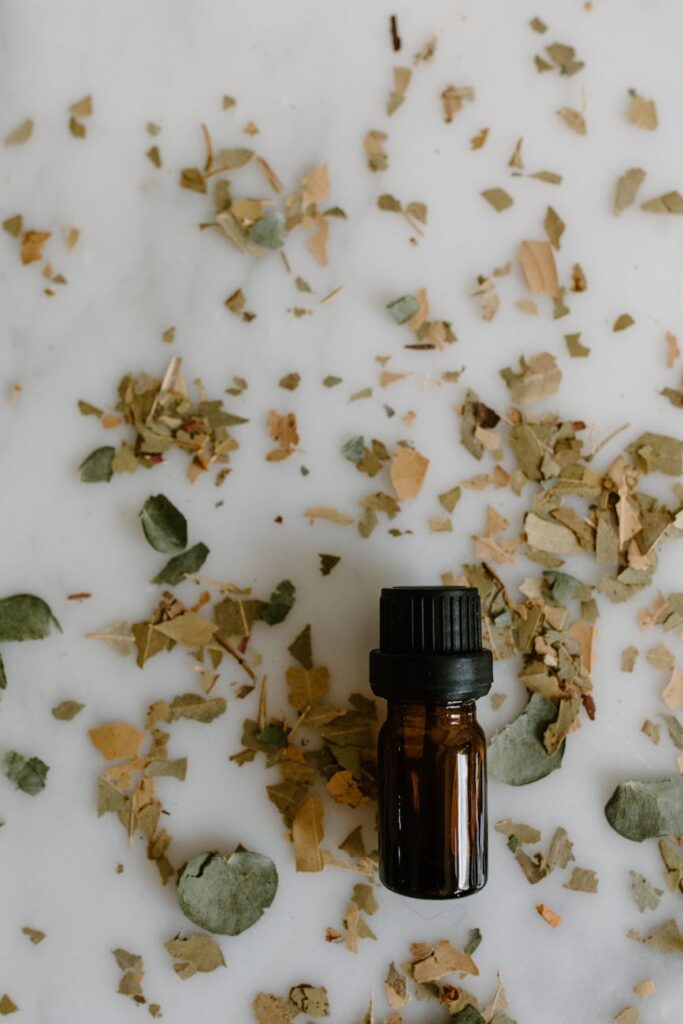
How to Use Herbal Mood-Boosting Aromatherapy Blends
Introduction
Aromatherapy, the practice of using essential oils derived from plants for therapeutic benefits, has gained substantial popularity over the years. Among the myriad of applications, herbal mood-boosting blends stand out for their ability to enhance emotional well-being and elevate mood. This article delves into what these blends are, their benefits, common uses, and safe practices for incorporating them into your daily routine.
What Is Herbal Mood-Boosting Aromatherapy Blends?
Herbal mood-boosting aromatherapy blends are combinations of essential oils extracted from various plants known for their uplifting and calming properties. These blends harness the aromatic compounds found in herbs, flowers, and other botanicals to promote emotional wellness. Common essential oils used in these blends include lavender, bergamot, rosemary, and chamomile, each possessing unique characteristics that contribute to mood enhancement.
Key Benefits and Properties
The benefits of herbal mood-boosting aromatherapy blends are manifold and can vary depending on the specific oils used. Here are some key properties:
1. Emotional Upliftment
Certain essential oils, like bergamot and citrus oils, are known for their ability to uplift spirits, reduce feelings of anxiety, and promote a sense of happiness.
2. Stress Relief
Oils such as lavender and chamomile have calming properties that can alleviate stress and tension, helping the mind and body to relax.
3. Improved Focus and Clarity
Blends containing rosemary or peppermint can enhance mental clarity and concentration, making them beneficial during periods of intense work or study.
4. Enhanced Sleep Quality
Some mood-boosting blends, particularly those with lavender, can promote restful sleep, thereby contributing to overall emotional stability.
5. Holistic Well-Being
Using herbal blends can foster a sense of balance, not only emotionally but also physically, as the act of inhalation can trigger positive psychological responses.
Common Uses
Herbal mood-boosting aromatherapy blends can be used in various ways, depending on individual preferences and settings. Here are some common applications:
1. Diffusion
Using an essential oil diffuser is one of the most popular methods to disperse the aromatic compounds into the air. This method allows for a continuous release of fragrance, which can positively influence the mood of an entire room.
2. Topical Application
Blending essential oils with a carrier oil, such as jojoba or almond oil, allows for safe application on the skin. This can be especially effective for localized relief, such as applying to pulse points or the neck.
3. Inhalation
Simply inhaling the scent of essential oils directly from the bottle or from a cotton ball can offer immediate mood enhancement. This method is particularly effective in situations where a quick boost is needed.
4. Bathing
Adding a few drops of essential oils to a warm bath can create a soothing environment, promoting relaxation and stress relief.
5. DIY Products
Creating your own mood-boosting products, such as candles, room sprays, or personal inhalers, allows for customization and control over the scents used.
Aromatherapy Applications
1. Morning Motivation
To start your day on a positive note, consider using a blend of citrus oils (like lemon and grapefruit) combined with peppermint. This invigorating mix can awaken the senses and set a cheerful tone for the day ahead.
2. Midday Refresh
During the afternoon slump, a blend of rosemary and eucalyptus can help rejuvenate the mind and body. Inhaling this mix can enhance focus and provide a much-needed energy boost.
3. Evening Wind Down
To prepare for sleep, a calming blend of lavender, chamomile, and sandalwood can create a peaceful ambiance. Diffusing this blend in the evening can signal to your body that it’s time to relax.
4. Stressful Situations
In moments of heightened anxiety or stress, carrying a personal inhaler with a blend of bergamot, frankincense, and geranium can provide immediate relief. Inhale deeply to center yourself and promote calmness.
Safety Considerations
While essential oils are natural, they can still pose risks if not used properly. Here are some safety considerations:
1. Dilution
Always dilute essential oils with a carrier oil before applying to the skin to prevent irritation or adverse reactions. A general guideline is to use a 2-3% dilution (approximately 12-18 drops of essential oil per ounce of carrier oil).
2. Patch Test
Before using a new essential oil blend topically, perform a patch test on a small area of skin to check for any allergic reactions.
3. Avoid Ingestion
Do not ingest essential oils unless under the guidance of a qualified professional, as some oils can be toxic when consumed.
4. Pregnancy and Health Conditions
Pregnant women, individuals with chronic health conditions, or those taking medications should consult with a qualified practitioner before using essential oils.
5. Storage
Store essential oils in a cool, dark place, away from sunlight to maintain their potency and effectiveness.
Storage and Shelf Life
Proper storage is crucial for maintaining the quality of essential oils. Here are some guidelines:
1. Containers
Use dark glass bottles to protect oils from light, which can degrade their quality. Amber or cobalt blue bottles are ideal.
2. Temperature
Keep essential oils in a cool environment, ideally below 70°F (21°C). Avoid areas with high humidity, such as bathrooms, as moisture can affect the oils.
3. Shelf Life
Most essential oils have a shelf life of 1-3 years, depending on the type and storage conditions. Citrus oils tend to have shorter shelf lives, whereas oils like sandalwood and patchouli can last longer.
Frequently Asked Questions
1. Can I use multiple essential oils together?
Yes, blending different essential oils can create unique and customized scents. However, it is advisable to research the oils to ensure they complement each other and to avoid any potential negative interactions.
2. How often can I use aromatherapy blends?
You can use mood-boosting blends as often as desired, but it is recommended to take breaks to assess your response to the oils.
3. Are there any specific oils that work best for anxiety?
Oils such as lavender, bergamot, and chamomile are commonly used for their calming effects. Individual responses can vary, so it is beneficial to experiment with different blends.
4. Can children use essential oils?
Yes, but with caution. Always consult with a healthcare professional and ensure that the oils are diluted appropriately for the child’s age.
5. How do I know if the oils I am using are pure?
Look for oils that are labeled as 100% pure and therapeutic grade. Research the brand and consider purchasing from reputable suppliers who provide testing information.
Conclusion
Herbal mood-boosting aromatherapy blends offer a natural and enjoyable way to enhance emotional well-being. By understanding how to use these blends safely and effectively, individuals can create a personalized aromatic experience that supports their mental and emotional health. As with any holistic practice, the journey of exploration is essential—experimenting with different oils and blends can lead to delightful discoveries in the realm of aromatherapy.