
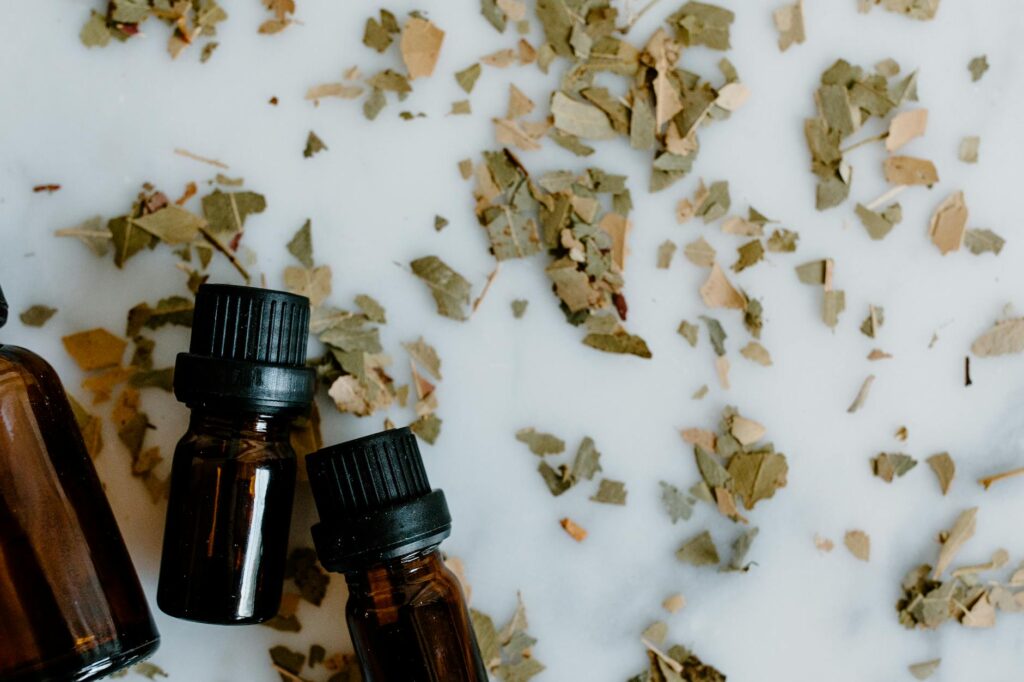
How to Use Herbal Mood-Boosting Essential Oil Blends
Introduction
In recent years, the use of essential oils and aromatherapy has gained significant popularity as a natural approach to enhancing mood and emotional well-being. Among the myriad of essential oil options, herbal mood-boosting blends stand out for their unique properties derived from various plants. This article will explore what these blends are, their benefits, common uses, and practical applications in aromatherapy, while also addressing safety considerations and storage practices.
What Is Herbal Mood-Boosting Essential Oil Blends?
Herbal mood-boosting essential oil blends are combinations of concentrated plant extracts known for their uplifting and calming properties. These blends typically incorporate a variety of essential oils, each selected for its unique aromatic profile and therapeutic characteristics. Common ingredients may include oils derived from herbs such as basil, rosemary, mint, and sage, among others.
These blends aim to elevate mood, reduce feelings of anxiety, and promote a sense of well-being. The synergy created when multiple essential oils are combined can enhance the overall effectiveness of aromatherapy, providing a holistic approach to emotional health.
Key Benefits and Properties
1. Uplifting Aromas
Many herbal essential oils have invigorating scents that can stimulate the senses and promote a positive mood. For example, citrus oils like lemon or bergamot are often included in blends for their bright, cheerful aromas.
2. Stress Relief
Certain herbs such as lavender and chamomile have calming effects that can reduce feelings of stress and anxiety. When blended with more uplifting oils, they create a balanced aroma that can help alleviate emotional tension.
3. Cognitive Support
Herbal essential oils can also support mental clarity and focus. Oils like rosemary are known for their cognitive-enhancing properties, making them valuable additions to mood-boosting blends.
4. Emotional Balance
Essential oils can evoke powerful emotional responses, and herbal blends are designed to help balance emotions. By incorporating oils that are known to stabilize moods, users can achieve a more harmonious emotional state.
Common Uses
1. Diffusion
One of the most popular methods for using essential oil blends is through diffusion. By adding a few drops of a mood-boosting blend to a diffuser, the oils are dispersed into the air, allowing individuals to inhale the aromatic compounds. This method is particularly effective for creating a calming or uplifting atmosphere in a room.
2. Inhalation
Direct inhalation is another way to experience the benefits of herbal mood-boosting blends. Placing a few drops on a cotton ball or using an inhaler can provide immediate access to the aromatic properties of the oils.
3. Topical Application
Essential oils can be diluted with a carrier oil and applied to the skin for localized effects. Common areas for application include pulse points, wrists, and the back of the neck. This method allows for both inhalation and absorption of the beneficial compounds.
4. Bathing
Adding herbal essential oil blends to a warm bath can create a soothing and refreshing experience. The steam from the warm water helps to release the oils into the air, enhancing the aromatherapy experience while providing skin benefits.
Aromatherapy Applications
1. Morning Boost
To start the day on a positive note, consider blending citrus oils such as grapefruit or lemon with uplifting herbs like peppermint or basil. This combination can invigorate the senses and promote a sense of alertness.
2. Midday Pick-Me-Up
For an afternoon boost, a blend of rosemary and eucalyptus can help clear mental fog and enhance focus. Incorporating these oils into a diffuser or inhaler can provide a refreshing lift during the day.
3. Evening Relaxation
In the evening, a calming blend featuring lavender and chamomile can help ease the transition into relaxation. Consider adding these oils to a warm bath or diffuser to create a tranquil environment.
4. Meditation and Mindfulness
Herbal mood-boosting blends can also enhance meditation practices. Oils like sandalwood and frankincense are known for their grounding properties and can help deepen mindfulness and promote emotional balance.
Safety Considerations
While essential oils are generally safe when used correctly, it is essential to keep several safety considerations in mind:
1. Dilution
Essential oils are highly concentrated and should be diluted in a carrier oil before topical application. Common carrier oils include jojoba, sweet almond, and coconut oil.
2. Allergies and Sensitivities
Individuals with allergies or sensitivities should perform a patch test before using a new essential oil. If irritation occurs, discontinue use immediately.
3. Consultation
Pregnant women, nursing mothers, and individuals with serious health conditions should consult a healthcare provider before using essential oils.
4. Avoiding Ingestion
Essential oils should not be ingested unless under the guidance of a qualified practitioner. Ingestion can lead to adverse effects and toxicity.
Storage and Shelf Life
1. Storage Conditions
Essential oils should be stored in a cool, dark place away from direct sunlight and heat sources. Optimal storage conditions help preserve the quality and potency of the oils.
2. Container
Dark glass bottles are the preferred storage option for essential oils, as they protect the oils from light and minimize oxidation. Always ensure that the cap is tightly sealed to prevent evaporation.
3. Shelf Life
The shelf life of essential oils varies depending on the type. Generally, citrus oils have a shorter shelf life, while oils like sandalwood and patchouli can last for several years when stored properly. Regularly check for changes in aroma or consistency, as these can indicate that an oil has gone rancid.
Frequently Asked Questions
1. Can I create my own herbal mood-boosting blends?
Yes, creating your own blends is a rewarding experience. Start with a base oil and add essential oils that resonate with your desired effects. It is advisable to research the properties of each oil to ensure compatibility.
2. How many drops should I use in a diffuser?
Most diffusers recommend adding 3-10 drops of essential oil, depending on the size of the diffuser and personal preference. It is best to start with fewer drops and adjust based on the desired intensity of the aroma.
3. Can essential oils interact with medications?
Some essential oils may interact with medications, particularly those affecting the central nervous system. Consult a healthcare provider if you are taking medication and wish to use essential oils.
4. Are there specific essential oils I should avoid?
Certain essential oils, such as wintergreen or clary sage, may not be suitable for everyone. It’s essential to research individual oils and their effects before use.
5. How often can I use herbal mood-boosting blends?
Frequency of use can vary based on individual preferences and sensitivities. Many people use mood-boosting blends multiple times a day, while others may reserve them for specific situations.
Conclusion
Herbal mood-boosting essential oil blends offer a natural and aromatic way to enhance emotional well-being and promote a positive mindset. By understanding their properties, common uses, and safety considerations, individuals can incorporate these blends into their daily routines effectively. Whether through diffusion, inhalation, or topical application, exploring the world of herbal essential oils can be a delightful journey toward emotional balance and upliftment.