
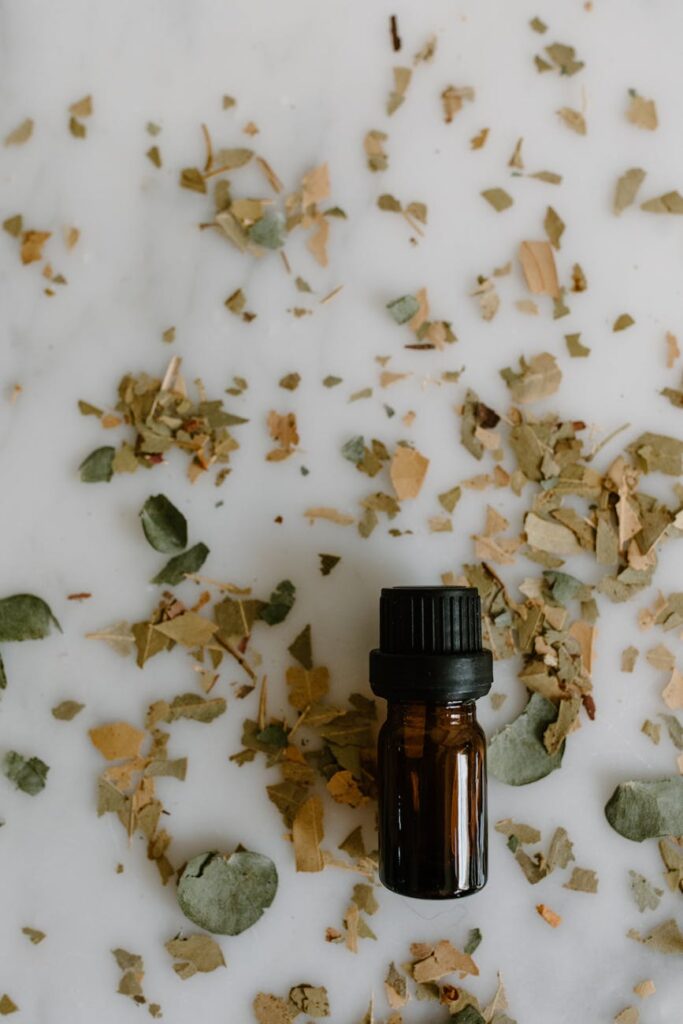
How to Use Herbal Mood-Enhancing Aromatherapy Blends
Introduction
In an increasingly fast-paced world, many individuals seek alternative methods to enhance their mood and promote emotional well-being. One such method is the use of herbal mood-enhancing aromatherapy blends. These blends combine the unique properties of various essential oils derived from plants to create uplifting and soothing experiences. This article explores the concept of herbal mood-enhancing aromatherapy blends, their benefits, applications, and practical considerations for safe usage.
What Is Herbal Mood-Enhancing Aromatherapy Blends?
Herbal mood-enhancing aromatherapy blends are combinations of essential oils extracted from aromatic plants known for their psychological and emotional benefits. These essential oils possess unique chemical properties that can influence mood, reduce stress, and promote relaxation. Common herbs used in these blends include lavender, bergamot, chamomile, and peppermint, among others.
The art of blending essential oils involves understanding the individual characteristics of each oil, including their scent profiles and therapeutic properties. A well-crafted blend can create a synergistic effect, where the combination of oils enhances the overall experience beyond what each oil could achieve alone.
Key Benefits and Properties
Herbal mood-enhancing aromatherapy blends offer various benefits, primarily relating to emotional and psychological well-being. Some of the key advantages include:
1. Stress Reduction
Many essential oils, such as lavender and frankincense, are known for their calming properties. Inhalation of these oils can help decrease levels of cortisol, the stress hormone, leading to an overall sense of relaxation.
2. Mood Elevation
Certain oils like bergamot and sweet orange are uplifting and can promote feelings of happiness and well-being. These oils are often used in blends aimed at combating feelings of sadness or anxiety.
3. Improved Sleep Quality
Blends that include oils like chamomile and cedarwood can promote restful sleep. They may help to alleviate insomnia by creating a peaceful environment conducive to relaxation.
4. Enhanced Focus and Clarity
Some blends may contain stimulating oils like rosemary and peppermint. These oils can enhance concentration and mental clarity, making them suitable for use during work or study sessions.
5. Emotional Balance
Aromatherapy can help individuals manage their emotions more effectively. Oils like ylang-ylang and neroli can be particularly beneficial in this regard, providing a sense of grounding and emotional stability.
Common Uses
Herbal mood-enhancing aromatherapy blends can be used in various settings and situations, including:
1. Home Environment
Using a diffuser to disperse essential oils into the air can create a pleasant atmosphere in your home. This is ideal for creating a calming environment during meditation, yoga, or relaxation sessions.
2. Personal Care
Incorporating essential oils into personal care products, such as lotions or bath oils, can enhance their emotional benefits. A soothing bath with a few drops of lavender oil can transform a regular bath into a serene experience.
3. Workspaces
Applying mood-enhancing blends to a personal diffuser or using a roll-on application can invigorate the atmosphere of a workspace, promoting productivity and reducing stress during busy workdays.
4. Social Gatherings
Aromatherapy can enhance social interactions. Diffusing uplifting scents in social settings can create a warm and welcoming environment, fostering positive connections among attendees.
Aromatherapy Applications
There are several methods for applying herbal mood-enhancing aromatherapy blends:
1. Diffusion
Using an essential oil diffuser is one of the most popular methods. Simply add water and a few drops of your chosen blend to the diffuser, allowing the aroma to fill the space.
2. Inhalation
For a quick mood boost, inhale essential oils directly from the bottle or place a few drops on a tissue. This method provides immediate access to the aroma and its benefits.
3. Topical Application
Diluting essential oils with a carrier oil (such as jojoba or coconut oil) allows for safe topical application. This method can be used on pulse points, such as wrists or temples.
4. Bathing
Adding essential oils to bathwater can create a therapeutic experience. Ensure you use an emulsifier like milk or a carrier oil to prevent the oils from floating on the surface.
5. Personal Inhalers
Creating personal inhalers with cotton wicks and essential oils allows individuals to carry their favorite blends with them for on-the-go use.
Safety Considerations
While herbal mood-enhancing aromatherapy blends can provide numerous benefits, it is essential to approach their use with caution. Consider the following safety guidelines:
1. Dilution
Essential oils are highly concentrated and should be diluted with a carrier oil for topical application to avoid skin irritation.
2. Allergies and Sensitivities
Before using a new essential oil, conduct a patch test to check for any allergic reactions. If irritation occurs, discontinue use immediately.
3. Pregnancy and Nursing
Some essential oils may not be safe for use during pregnancy or breastfeeding. Consult with a qualified professional before using aromatherapy in these situations.
4. Children and Pets
Certain essential oils can be harmful to children and pets. Always research the safety of specific oils before using them in environments where children and animals are present.
5. Quality of Oils
Opt for high-quality essential oils from reputable sources. Look for oils that are pure and free from additives or synthetic compounds.
Storage and Shelf Life
Proper storage is crucial to maintain the integrity and efficacy of essential oils. Here are some key considerations:
1. Dark Containers
Store essential oils in dark glass containers to protect them from light, which can degrade their quality.
2. Cool Temperatures
Keep essential oils in a cool, dry place to prolong their shelf life. Avoid areas with direct sunlight or heat sources.
3. Shelf Life
Most essential oils have a shelf life of 1 to 3 years, depending on the oil type. Citrus oils tend to have a shorter shelf life compared to woody or resinous oils.
Frequently Asked Questions
1. How do I choose an aromatherapy blend for my mood?
Consider what emotional state you wish to promote—whether it’s relaxation, upliftment, or focus. Research the properties of various essential oils and select a blend that aligns with your goals.
2. Can I create my own blends?
Absolutely! Experiment with different essential oils, starting with a base and adding complementary oils to create a unique blend that resonates with you.
3. How often can I use aromatherapy?
Aromatherapy can be used daily; however, listen to your body and adjust usage based on how you feel.
4. Are there any essential oils I should avoid?
Yes, some oils can be irritating or harmful in certain situations (e.g., during pregnancy). Research each oil’s properties and consult with a knowledgeable source if unsure.
5. Can I use aromatherapy in conjunction with other therapies?
Aromatherapy can complement other forms of therapy, but it’s essential to consult with a healthcare professional to ensure a coordinated approach.
Conclusion
Herbal mood-enhancing aromatherapy blends offer a natural and holistic approach to improving emotional well-being. By understanding the benefits, applications, and safety considerations associated with these blends, individuals can harness the power of nature to enhance their mood and create a more positive environment. Whether through diffusion, topical application, or personal inhalers, the versatility of aromatherapy allows for personalized experiences that cater to individual needs and preferences.