
How to Use Herbal Mood-Stabilizing Essential Oil Blends
Introduction
In an increasingly fast-paced world, many individuals seek natural remedies to help balance their emotions and enhance their overall well-being. Herbal mood-stabilizing essential oil blends have gained popularity as a holistic approach to emotional health. These aromatic compounds, derived from various plants, offer a range of therapeutic properties that can support mood regulation and emotional balance. This article delves into what herbal mood-stabilizing essential oil blends are, their benefits, common uses, and safety considerations, providing a comprehensive guide for those interested in exploring this natural wellness avenue.
What Is Herbal Mood-Stabilizing Essential Oil Blends?
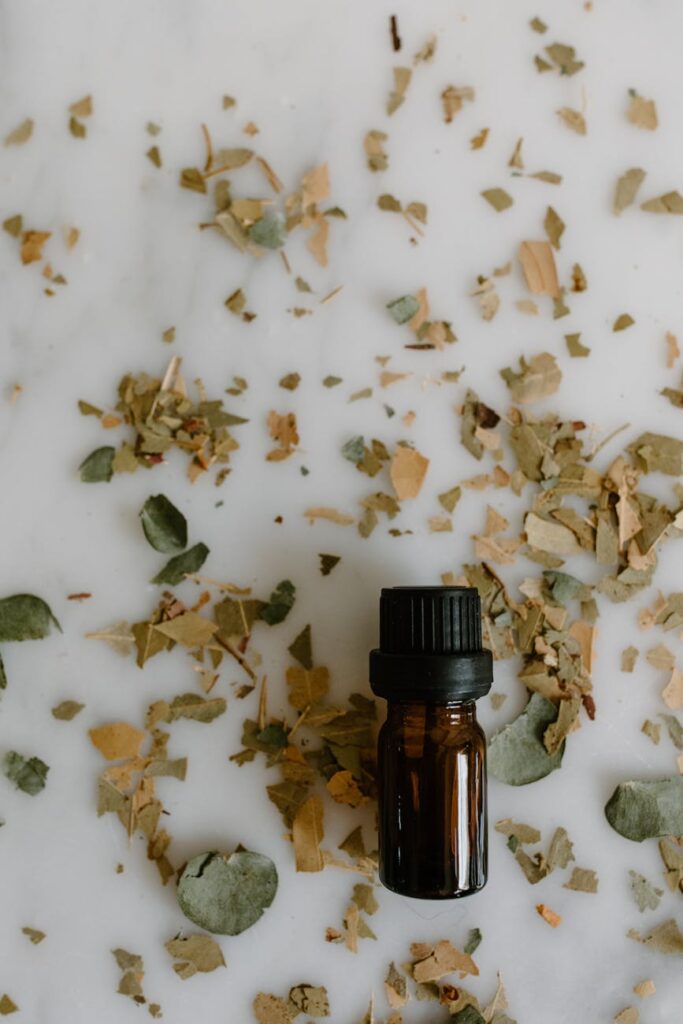
Herbal mood-stabilizing essential oil blends are mixtures of concentrated plant extracts known for their ability to influence emotional states. Essential oils are typically extracted through processes such as steam distillation or cold pressing from various parts of plants, including leaves, flowers, roots, and fruits.
These blends are formulated to harness the synergistic effects of multiple oils, combining their unique aromatherapeutic properties to create a holistic approach to mood enhancement. Common ingredients in these blends may include oils like lavender, bergamot, chamomile, and ylang-ylang, each known for its calming and uplifting effects.
Key Benefits and Properties
The benefits of herbal mood-stabilizing essential oil blends are multifaceted. Here are some key properties associated with these oils:
1. Emotional Support
Certain essential oils are renowned for their ability to promote feelings of relaxation, calmness, and emotional balance. For instance, lavender is often used for its soothing properties, while bergamot can create a sense of joy and upliftment.
2. Stress Relief
Many essential oils possess anxiolytic (anxiety-reducing) properties. Oils such as frankincense and chamomile can help alleviate feelings of stress and tension, contributing to a more stable mood.
3. Enhanced Focus and Clarity
Certain blends can also promote mental clarity and concentration. Oils like rosemary and peppermint can invigorate the mind, helping to counteract feelings of lethargy and promote productivity.
4. Physical Well-Being
The connection between physical health and emotional state is well-documented. Some essential oils possess anti-inflammatory and analgesic properties, potentially alleviating physical discomfort that may contribute to mood disturbances.
Common Uses
Herbal mood-stabilizing essential oil blends can be employed in various ways, depending on individual preferences and lifestyle. Here are some common uses:
1. Diffusion
Using a diffuser is one of the most popular methods for enjoying the benefits of essential oils. By dispersing the aroma into the air, individuals can create a calming or uplifting atmosphere in their home or workspace.
2. Topical Application
Diluting essential oils with carrier oils (such as jojoba or coconut oil) allows for safe topical application. This method can be particularly effective for localized emotional support, such as applying a blend to pulse points or areas of tension.
3. Bathing
Adding essential oils to a warm bath can create a serene and relaxing environment. The combination of warmth and aroma can enhance the overall experience, promoting emotional well-being.
4. Inhalation
Inhaling essential oils directly from the bottle or through a handkerchief can provide immediate emotional relief. This method is especially useful during moments of acute stress or anxiety.
5. Personal Care Products
Incorporating essential oils into personal care items, such as lotions, balms, or shampoos, can offer ongoing emotional support throughout the day.
Aromatherapy Applications
The application of herbal mood-stabilizing essential oil blends through aromatherapy can be enhanced by employing specific techniques:
1. Aromatherapy Massage
Incorporating essential oils into massage therapy can amplify the relaxing effects of both the oils and the physical touch. A trained therapist can tailor blends to meet the client’s emotional needs.
2. Meditation and Mindfulness
Using essential oils during meditation or mindfulness practices can deepen the experience. Scents like sandalwood or patchouli can ground the individual, promoting a deeper connection to the present moment.
3. Yoga
Aromatherapy can complement yoga practices. By using essential oils before or during yoga sessions, practitioners can create an environment conducive to relaxation and emotional balance.
4. Environmental Enhancement
Spraying a diluted essential oil blend in living spaces can transform the ambiance. This method can be particularly beneficial for creating a calming atmosphere during challenging moments.
Safety Considerations
While herbal mood-stabilizing essential oil blends offer numerous benefits, safety should always be a priority:
1. Skin Sensitivity
Essential oils are potent substances. Always perform a patch test before applying a new blend to the skin. Diluting oils with a carrier oil can help minimize the risk of irritation.
2. Pregnancy and Nursing
Certain essential oils are contraindicated during pregnancy and nursing. It is essential to conduct thorough research or consult a qualified aromatherapist if pregnant or nursing.
3. Medical Conditions
Individuals with specific medical conditions (such as asthma or epilepsy) should exercise caution and seek professional guidance before using essential oils.
4. Quality of Oils
Only use high-quality, pure essential oils from reputable sources. Adulterated or synthetic oils may not provide the desired benefits and could pose health risks.
Storage and Shelf Life
Proper storage of essential oils is vital to maintain their efficacy:
1. Containers
Store essential oils in dark glass bottles to protect them from light exposure, which can degrade their quality.
2. Temperature
Keep oils in a cool, dry place, away from direct sunlight and extreme temperatures. High heat can alter the chemical composition of the oils.
3. Shelf Life
Most essential oils have a shelf life of 1 to 3 years, depending on their chemical composition. Citrus oils, for example, may have a shorter shelf life, while oils like patchouli can last longer.
Frequently Asked Questions
1. Can I blend my own mood-stabilizing oils?
Yes, many individuals enjoy experimenting with creating their own blends. Start with a few essential oils known for their mood-stabilizing properties and gradually adjust ratios to find a combination that resonates with you.
2. How do I know which oils are mood-stabilizing?
Researching the properties of various essential oils can provide insight into their mood-stabilizing effects. Consulting reputable aromatherapy resources or professionals can also guide you in selecting suitable oils.
3. Can essential oils replace traditional therapy?
While essential oils may offer emotional support, they should not substitute professional therapy or medical treatment. Always consider seeking professional help for mental health concerns.
4. How often can I use these blends?
Frequency of use may vary based on individual comfort. Some may benefit from multiple applications throughout the day, while others may prefer to use them during specific moments of stress.
5. Are there any essential oils to avoid?
Some essential oils may be contraindicated for certain individuals. Researching potential allergies and contraindications is essential, especially for those with specific health conditions.
Conclusion
Herbal mood-stabilizing essential oil blends offer a natural and holistic approach to enhancing emotional well-being. With their diverse benefits, these blends can be integrated into daily routines through various applications. However, it is essential to approach their use with knowledge and caution, prioritizing safety and quality. By understanding the properties and potential applications of these aromatic compounds, individuals can harness their power to cultivate emotional balance and resilience in today’s demanding world.