
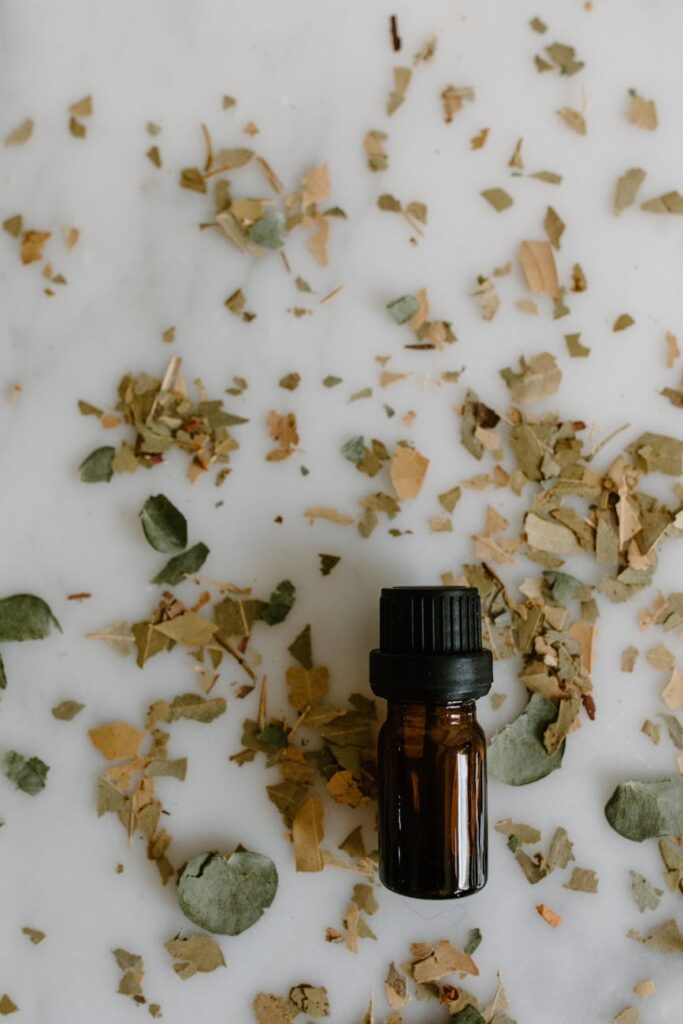
How to Use Herbal Poultices
Introduction
Herbal poultices have been utilized for centuries in various cultures as a natural remedy to address a variety of ailments. This traditional method involves applying a mixture of herbs, often combined with a moistening agent, directly onto the skin to provide localized relief. In this article, we will explore what herbal poultices are, their key benefits, common uses, and applications within the realm of aromatherapy, as well as safety considerations and proper storage.
What Is Herbal Poultices?
An herbal poultice is a soft, moist mass of herbal material that is applied to the skin, usually wrapped in a cloth or gauze. The term “poultice” derives from the Latin word “puls,” meaning “to thicken.” The primary goal of a poultice is to deliver the therapeutic properties of the herbs directly to the area of concern. The herbs can be fresh, dried, or powdered, and they are typically combined with a liquid such as water, vinegar, or oil to create a paste-like consistency.
Preparation of Herbal Poultices
To prepare an herbal poultice, follow these general steps:
1. Select Your Herbs: Choose herbs based on their properties and intended uses. Common herbs include chamomile, calendula, ginger, and comfrey.
2. Prepare the Ingredients: If using fresh herbs, chop or bruise them to release their essential oils and active compounds. For dried herbs, you may need to rehydrate them with a liquid.
3. Combine with a Moistening Agent: Mix the herbs with a liquid to form a paste. Common liquids include water, herbal tea, or essential oils diluted in a carrier oil.
4. Apply to a Cloth: Spread the herbal mixture onto a piece of clean cloth or gauze, creating a thin layer.
5. Apply to the Skin: Place the poultice on the affected area and secure it in place using bandages or tape, if necessary.
6. Leave for Duration: The poultice can be left on for a duration that typically ranges from 20 minutes to a few hours, depending on the herbs used and the condition being addressed.
Key Benefits and Properties
Herbal poultices can offer several benefits due to the concentrated action of the herbs applied directly to the skin. Some of the key benefits include:
- Localized Relief: By applying herbs directly to the area of discomfort, poultices can provide targeted relief from pain, inflammation, or irritation.
- Nutrient Absorption: The skin can absorb many beneficial compounds found in herbs, allowing for enhanced therapeutic effects.
- Support for Healing: Many herbs possess anti-inflammatory, antiseptic, or soothing properties, which can aid in the healing process.
- Comfort and Relaxation: The warmth and soothing nature of a poultice can provide comfort and promote relaxation, contributing to overall well-being.
- Muscle and Joint Pain: Poultices made from ginger or cayenne pepper can help alleviate pain and stiffness in muscles and joints.
- Skin Irritations: Chamomile and calendula are often used for their anti-inflammatory and soothing properties, making them suitable for minor skin irritations, rashes, or insect bites.
- Respiratory Issues: A poultice of crushed eucalyptus leaves or peppermint can be applied to the chest to help ease respiratory discomfort.
- Digestive Ailments: A warm poultice made from mustard seeds can be used on the abdomen to relieve discomfort associated with indigestion or bloating.
- Women’s Health: Certain herbs like raspberry leaf can be used in poultices to support menstrual health.
- Dilute Essential Oils: Essential oils should always be diluted in a carrier oil before being added to a poultice. Common carrier oils include coconut oil, olive oil, or sweet almond oil.
- Choose Complementary Oils: Select essential oils that complement the properties of the herbs used in the poultice. For example, if using lavender for its calming effects, consider adding a few drops of lavender essential oil to the poultice.
- Use Aromatic Herbs: Incorporating aromatic herbs such as rosemary or thyme can enhance the sensory experience of the poultice, filling the air with their natural fragrances.
- Mindful Application: As you apply the poultice, take a moment to breathe in the aromas. This can enhance relaxation and provide a holistic approach to well-being.
- Skin Sensitivity: Always perform a patch test before applying a poultice to a larger area of skin. Apply a small amount to a discrete area and wait 24 hours to check for any adverse reactions.
- Avoid Open Wounds: Do not apply poultices to open wounds or broken skin unless advised by a qualified herbalist or practitioner.
- Consultation: If you have underlying health conditions, are pregnant, or are nursing, consider consulting a healthcare professional or qualified herbalist before using herbal poultices.
- Proper Hygiene: Ensure that all equipment and materials used in the preparation of the poultice are clean to prevent contamination.
- Refrigeration: If not used immediately, herbal poultices can be stored in an airtight container in the refrigerator for up to 24 hours.
- Freezing: For longer storage, you can freeze poultices in small portions. Just ensure to use freezer-safe containers.
- Thawing: When ready to use, thaw the poultice in the refrigerator and reheat gently if necessary. Avoid using a microwave as it can eliminate some of the beneficial properties of the herbs.
Common Uses
Herbal poultices can be employed for a wide range of concerns. Some common applications include:
Aromatherapy Applications
Aromatherapy incorporates the use of essential oils derived from plants to promote physical and emotional well-being. Herbal poultices can be enhanced with essential oils to maximize their therapeutic effects. Here are a few ways to incorporate aromatherapy into herbal poultices:
Safety Considerations
While herbal poultices are generally considered safe, it is important to keep the following safety considerations in mind:
Storage and Shelf Life
Herbal poultices are best used fresh. However, if you need to prepare them in advance, consider the following storage tips:
Frequently Asked Questions
1. How often can I use an herbal poultice?
The frequency of application will depend on the specific herbs used and the condition being addressed. Generally, poultices can be applied several times a day, but it is advisable to consult with a qualified herbalist for personalized recommendations.
2. Can I use dried herbs instead of fresh ones?
Yes, dried herbs can be used to create poultices. However, they may require rehydration with a liquid to achieve the desired paste-like consistency.
3. Are there any herbs I should avoid in a poultice?
Certain herbs may cause skin irritation or allergic reactions in some individuals. It is advisable to research the specific herbs you intend to use and consult with a qualified professional if unsure.
4. Can I use essential oils in herbal poultices?
Yes, essential oils can be added to herbal poultices, but they should always be diluted in a carrier oil to prevent skin irritation.
5. Is it safe to use herbal poultices on children?
While many herbs are safe for children, it is crucial to consult with a healthcare professional or qualified herbalist for specific guidance on the appropriate herbs and formulations.
Conclusion
Herbal poultices represent a traditional yet effective method to harness the therapeutic properties of herbs for localized relief. By understanding their preparation, benefits, and applications within aromatherapy, individuals can explore the rich world of natural remedies. However, it is essential to approach herbal poultices with mindfulness and caution, ensuring safety and efficacy in their use. Whether for soothing skin irritations, relieving muscle pain, or promoting relaxation, herbal poultices can be a valuable addition to your holistic wellness toolkit.