
How to Use Herbal Powders
Introduction
Herbal powders are finely ground forms of various plants, herbs, and spices that have been used for centuries in different cultures around the world. They serve a multitude of purposes, ranging from culinary applications to therapeutic uses in herbalism and aromatherapy. This article delves into the world of herbal powders, exploring their benefits, uses, and safety considerations, as well as how they can be incorporated into a holistic lifestyle.
What Is Herbal Powders?
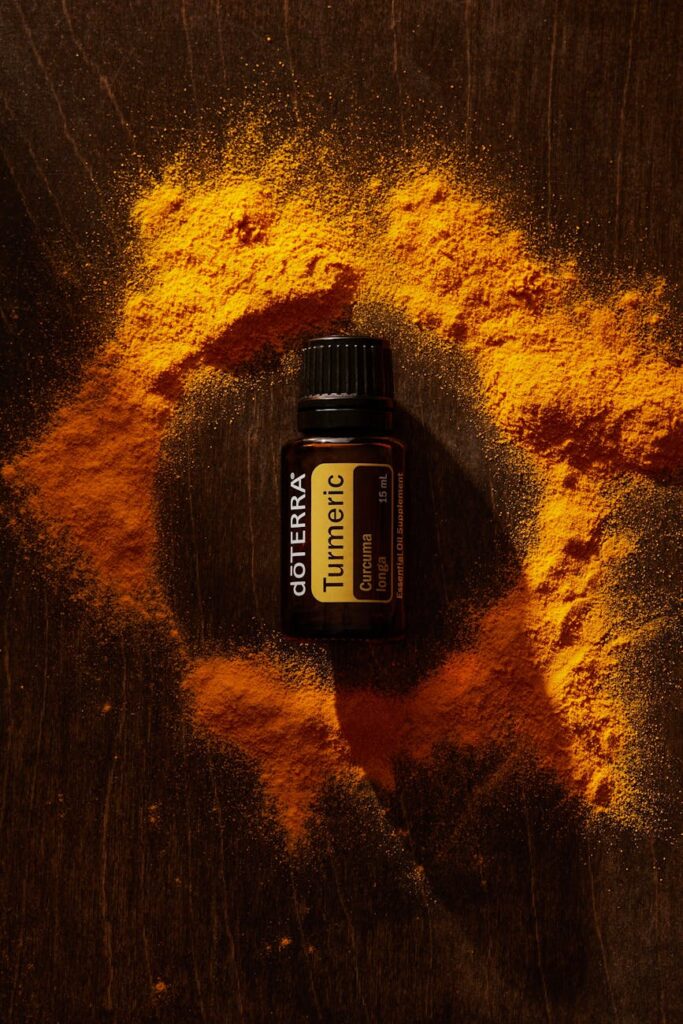
Herbal powders are produced by grinding dried plant materials into a fine consistency. These powders can be made from leaves, flowers, stems, roots, or seeds of various herbs. Common examples include turmeric powder, matcha (green tea powder), and dried peppermint or chamomile. The process of creating herbal powders typically involves drying the plant material to preserve its properties, followed by grinding it into a powder form.
Herbal powders can vary significantly in color, scent, and flavor, depending on the source material. They are often used in traditional medicine systems, such as Ayurveda and Traditional Chinese Medicine, where they are valued for their potential health benefits.
Key Benefits and Properties
Herbal powders boast a range of benefits, both culinary and therapeutic. Some of the key properties include:
1. Nutritional Value: Many herbal powders are rich in vitamins, minerals, antioxidants, and other bioactive compounds. For example, spirulina powder is known for its high protein content and array of essential nutrients.
2. Flavor Enhancement: In culinary applications, herbal powders can intensify the flavor profile of dishes. For instance, adding chili powder can bring heat to a meal, while cinnamon powder adds warmth and sweetness.
3. Aromatic Qualities: Certain herbal powders possess pleasant aromas that can enhance the sensory experience in cooking, crafting, or aromatherapy.
4. Potential Therapeutic Benefits: While not a substitute for medical treatment, some herbal powders are believed to support general well-being. For example, ginger powder is often used for its warming properties, while ashwagandha powder is reputed for its adaptogenic qualities.
Common Uses
Herbal powders can be utilized in various ways, depending on the desired outcome.
Culinary Uses
1. Seasoning: Many herbal powders serve as seasoning agents in cooking. They can be added to soups, stews, sauces, and marinades to enhance flavor.
2. Baking: Ingredients like matcha powder and cocoa powder are often incorporated into baked goods, providing unique flavors and colors.
3. Beverages: Herbal powders can be mixed into smoothies, teas, or even sprinkled over coffee for added flavor and nutrients.
Cosmetic Applications
1. Face Masks: Certain herbal powders, such as turmeric and bentonite clay, can be combined with other ingredients to create natural face masks.
2. Exfoliants: Ground herbs like rose petals or dried lavender can be used as gentle exfoliating agents in DIY scrubs.
Health and Wellness
1. Herbal Teas: Many herbal powders can be steeped in hot water to create nourishing herbal teas.
2. Supplements: Some individuals incorporate herbal powders into their daily routines as nutritional supplements, often blending them into smoothies or yogurt.
Aromatherapy Applications
While herbal powders are primarily known for their culinary and cosmetic uses, they can also play a role in aromatherapy. Although they differ from essential oils, certain herbal powders possess aromatic properties that can enhance the ambiance of a space.
1. Potpourri: Herbal powders can be mixed with dried flowers and essential oils to create fragrant potpourri blends. This not only adds scent but can also serve as a decorative element in home décor.
2. Incense: Some herbal powders can be used in DIY incense blends. When combined with natural resins and essential oils, they can create aromatic offerings for meditation or relaxation.
3. Scented Sachets: Creating sachets filled with herbal powders can help infuse spaces with pleasant scents. These sachets can be placed in drawers, closets, or under pillows.
Safety Considerations
While herbal powders are generally regarded as safe, it is important to exercise caution when using them, especially in concentrated forms. Here are some key safety considerations:
1. Quality and Source: Always source herbal powders from reputable suppliers to ensure they are free from contaminants and additives.
2. Allergic Reactions: Some individuals may be allergic to specific herbs. It is advisable to conduct a patch test when using herbal powders in cosmetics or topical applications.
3. Interactions: Certain herbal powders may interact with medications or other herbs. It is essential to research any potential interactions if you are taking medications or have specific health concerns.
4. Dosage: When consuming herbal powders, moderation is key. While they can be beneficial, excessive consumption may lead to adverse effects.
5. Pregnancy and Nursing: Pregnant or nursing individuals should consult with a healthcare professional before using herbal powders, as some herbs may not be safe during these periods.
Storage and Shelf Life
Proper storage of herbal powders is crucial for maintaining their potency and freshness. Here are some tips for storing herbal powders effectively:
1. Cool and Dark Environment: Store herbal powders in a cool, dark place, away from direct sunlight and moisture. A pantry or cupboard is often ideal.
2. Airtight Containers: Use airtight containers, preferably glass or high-quality plastic, to minimize exposure to air and humidity.
3. Labeling: Clearly label containers with the name of the herb and the date of purchase. This practice will help you keep track of freshness.
4. Shelf Life: Generally, most herbal powders have a shelf life of 1 to 3 years, depending on the type of herb and storage conditions. However, always check for any signs of spoilage, such as off odors or discoloration.
Frequently Asked Questions
1. Can I make my own herbal powders at home?
Yes, you can make your own herbal powders at home. Start by drying fresh herbs until they are completely moisture-free, then grind them using a mortar and pestle, spice grinder, or blender. Ensure you store them properly afterward.
2. Are herbal powders safe for children?
While many herbal powders are generally considered safe, it is best to consult with a healthcare professional before introducing them to children, as certain herbs may not be suitable for young ones.
3. Can I mix different herbal powders together?
Absolutely! Mixing herbal powders can create unique flavor profiles and beneficial blends. However, be mindful of the potential interactions between different herbs.
4. How can I tell if an herbal powder has gone bad?
Signs that herbal powder may have gone bad include a change in color, a rancid or off smell, or the presence of mold or insects. If in doubt, it is best to discard the powder.
5. Are there any herbs I should avoid?
Certain herbs may not be suitable for everyone or may interact with medications. It is advisable to research specific herbs or consult with a knowledgeable herbalist or healthcare professional if you have concerns.
Conclusion
Herbal powders are versatile and beneficial additions to culinary, cosmetic, and aromatherapy practices. Their rich history, nutritional value, and aromatic qualities make them valuable assets in a holistic lifestyle. By understanding the various applications, benefits, and safety considerations, individuals can make informed choices about how to incorporate herbal powders into their daily routines. Remember to always approach the use of herbs with respect and awareness, ensuring a safe and enriching experience.