
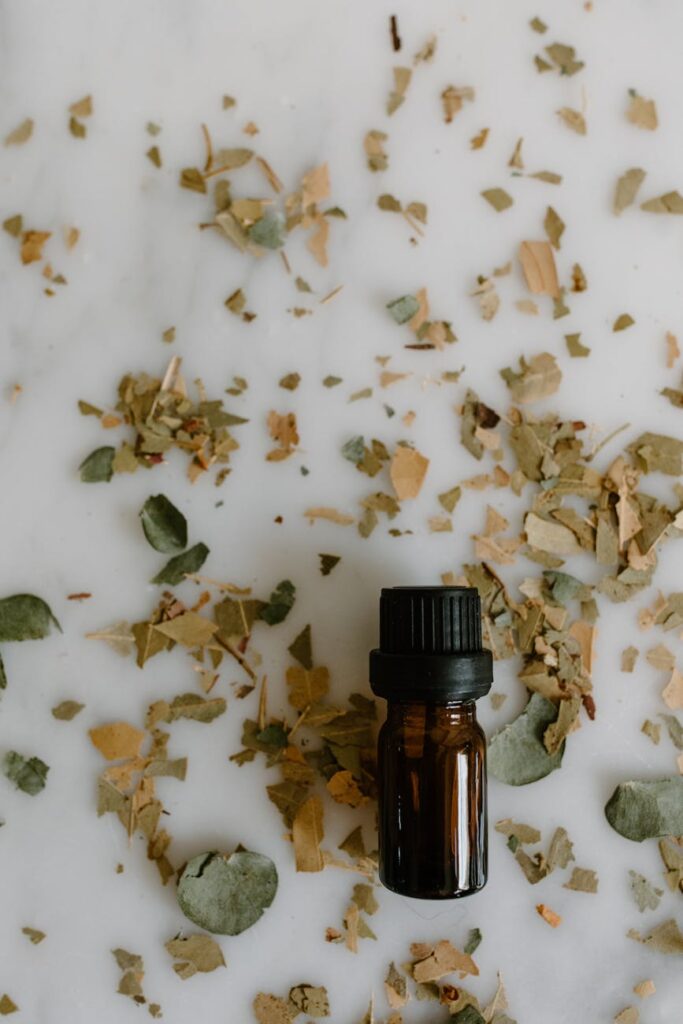
How to Use Herbal Respiratory Relief Essential Oil Blends
Introduction
In recent years, the popularity of essential oils and aromatherapy has surged as individuals seek natural remedies for various concerns. Among these, herbal respiratory relief essential oil blends are particularly valued for their potential to support the respiratory system. This article explores what these blends are, their benefits, common uses, and safe application methods.
What Is Herbal Respiratory Relief Essential Oil Blends?
Herbal respiratory relief essential oil blends comprise a combination of essential oils derived from plants known for their respiratory support properties. Commonly used oils in these blends include eucalyptus, peppermint, tea tree, and rosemary. Each oil possesses unique characteristics that contribute to the overall efficacy of the blend. These oils are typically extracted from leaves, flowers, roots, or bark through distillation or cold pressing, preserving their aromatic and therapeutic properties.
Key Benefits and Properties
The primary purpose of herbal respiratory relief essential oil blends is to promote respiratory health. While specific benefits may vary depending on the oils used, some key properties include:
- Expectorant Properties: Oils like eucalyptus and peppermint may help loosen mucus, making it easier to expel from the respiratory tract.
- Antimicrobial Action: Certain oils, such as tea tree oil, possess antimicrobial properties that may help fight off pathogens affecting the respiratory system.
- Anti-inflammatory Benefits: Oils like rosemary and lavender may assist in reducing inflammation in the airways, contributing to easier breathing.
- Relaxation and Stress Relief: Aromatherapy can also promote relaxation, which is crucial for overall wellness and may indirectly benefit respiratory health.
- Personal Inhalers: Portable inhalers can be filled with the essential oil blend, allowing for easy access when needed. This method is particularly useful for individuals on the go or those who prefer discreet applications.
- Massage: Combining the essential oil blend with a carrier oil can create a soothing massage oil. Massage therapy may further promote relaxation and enhance the oils’ absorption into the skin.
- Room Sprays: Diluting the blend in water or witch hazel and using it as a room spray can purify the air and create a refreshing environment.
- Sleep Aids: Blending respiratory oils with calming oils such as lavender can create a sleep aid that not only supports the respiratory system but also enhances relaxation for a good night’s sleep.
- Dilution: Always dilute essential oils with a carrier oil before applying them to the skin. A common dilution ratio is 2-3 drops of essential oil per teaspoon of carrier oil.
- Patch Testing: Conduct a patch test before using a new blend on the skin to check for allergic reactions or skin sensitivities. Apply a small amount of the diluted oil to a discreet area and observe for any adverse effects.
- Pregnancy and Nursing: Pregnant or nursing individuals should consult a healthcare professional before using essential oils, as some oils may not be safe during these periods.
- Children and Pets: Use caution when applying essential oils around children and pets. Certain oils can be too strong for young children or harmful to animals.
- Pre-existing Conditions: Individuals with respiratory conditions or other health issues should consult a qualified professional before using essential oils, as they may not be suitable for everyone.
- Keep Away from Light: Store oils in dark glass bottles to protect them from light, which can degrade their quality.
- Cool Temperatures: Keep essential oils in a cool, dry place, away from heat sources, as high temperatures can alter their chemical composition.
- Seal Tightly: Ensure that bottles are tightly sealed to prevent oxidation, which can diminish the oils’ potency.
Common Uses
Herbal respiratory relief essential oil blends can be used in various ways to enhance their effects. Here are some common applications:
1. Diffusion: Adding a few drops of the blend to an essential oil diffuser allows the aroma to disperse throughout a room, creating a calming atmosphere while potentially supporting respiratory function.
2. Inhalation: Inhaling the scent directly from the bottle or placing a few drops on a tissue can provide immediate relief. This method is especially useful during allergy seasons or when dealing with common colds.
3. Topical Application: Diluting the blend with a carrier oil (such as coconut or jojoba oil) and applying it to the chest, back, or neck can provide localized relief. This method allows the oils to penetrate the skin and interact with the body’s systems.
4. Steam Inhalation: Adding a few drops of the blend to a bowl of hot water and inhaling the steam can provide a more intense experience, particularly beneficial for clearing nasal passages.
5. Bath Soaks: Adding the blend to a warm bath can create a soothing experience, promoting relaxation while allowing the respiratory benefits to take effect.
Aromatherapy Applications
Integrating herbal respiratory relief essential oil blends into your aromatherapy practice can enhance both physical and emotional well-being. Here are some suggested methods:
Safety Considerations
While herbal respiratory relief essential oil blends can offer numerous benefits, it is essential to use them safely. Here are some important safety considerations:
Storage and Shelf Life
Proper storage is crucial for maintaining the efficacy and quality of essential oils. Here are some tips for storing herbal respiratory relief essential oil blends:
Generally, essential oils have a shelf life of 1-3 years, depending on the type of oil and storage conditions. Check for any changes in aroma, color, or viscosity, as these can indicate that the oil has gone bad.
Frequently Asked Questions
1. Can I mix different essential oils in my respiratory blend?
Yes, blending different essential oils can enhance the therapeutic effects. However, it’s essential to research each oil’s properties and ensure they complement one another.
2. How often can I use herbal respiratory relief blends?
Usage frequency can vary based on individual needs and the specific oils used. Generally, using the blend 1-3 times per day is considered safe, but personal tolerance should guide your usage.
3. Are there any essential oils to avoid for respiratory issues?
Certain oils, such as cinnamon and clove, may be too irritating for the respiratory system. Always conduct thorough research or consult a professional before using unfamiliar oils.
4. Can I use these blends for children?
Yes, but it’s vital to dilute the oils appropriately and choose child-safe oils. Consulting with a healthcare professional or aromatherapy expert is advisable.
5. What should I do if I experience an allergic reaction?
If you experience any adverse reactions, discontinue use immediately and consult a healthcare professional. Keep essential oils out of reach of children and pets to prevent accidental exposure.
Conclusion
Herbal respiratory relief essential oil blends offer a natural and aromatic approach to supporting respiratory health. By understanding their properties, benefits, and safe usage, individuals can incorporate these blends into their wellness routines. Whether through diffusion, topical applications, or steam inhalation, the potential of these herbal remedies can enhance both physical comfort and emotional well-being. Always prioritize safety and personal preferences when exploring the world of essential oils.