
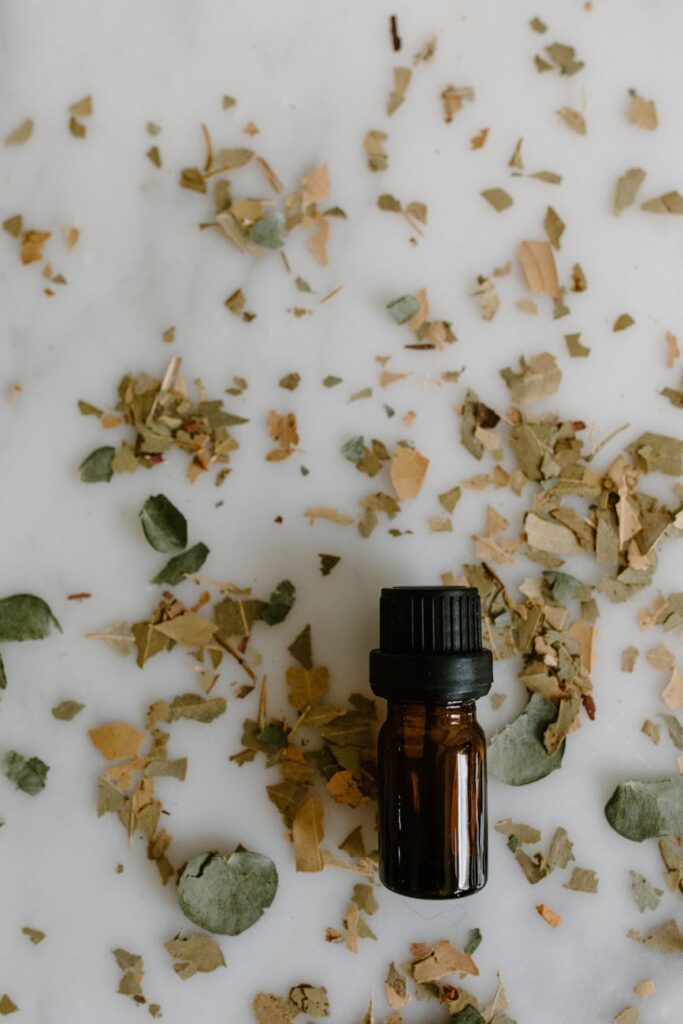
How to Use Herbal Respiratory Support Aromatherapy Blends
Introduction
Aromatherapy, a holistic healing practice that utilizes the therapeutic properties of essential oils, has gained popularity as a natural approach to enhancing well-being. Among its various applications, herbal respiratory support blends are particularly sought after for their potential to promote clear breathing and maintain respiratory health. This article aims to provide an in-depth understanding of herbal respiratory support aromatherapy blends, their benefits, applications, and safety considerations.
What Is Herbal Respiratory Support Aromatherapy Blends?
Herbal respiratory support aromatherapy blends are mixtures of essential oils derived from various plants, specifically formulated to assist in respiratory function. These blends typically include oils known for their beneficial properties on the respiratory system, such as eucalyptus, peppermint, tea tree, and lavender.
The synergistic effect of combining these essential oils creates a more potent formulation that may help alleviate discomfort associated with respiratory issues, promote relaxation, and enhance overall respiratory health. The inhalation of these aromatic compounds can stimulate the olfactory system, which may influence various physiological and psychological processes.
Key Benefits and Properties
The benefits of herbal respiratory support aromatherapy blends are multi-faceted. Below are some of the key properties associated with these essential oils:
1. Decongestant Properties: Essential oils like eucalyptus and peppermint contain compounds that may help reduce nasal congestion and facilitate easier breathing.
2. Antimicrobial Effects: Oils such as tea tree and thyme exhibit antimicrobial properties, which can help support the immune system and combat pathogens that may affect respiratory health.
3. Anti-Inflammatory Action: Certain oils possess anti-inflammatory properties, potentially aiding in the reduction of irritation and inflammation in the airways.
4. Relaxation and Stress Relief: Blends that include calming oils like lavender can help alleviate stress and anxiety, promoting a sense of calm that may indirectly support respiratory function.
5. Expectorant Qualities: Some essential oils may assist in loosening mucus, making it easier to expel and aiding in the overall respiratory process.
Common Uses
Herbal respiratory support aromatherapy blends can be used in various scenarios, including:
- Seasonal Changes: During times when allergens are prevalent or during cold seasons, these blends can provide comfort and support.
- Exercise: Inhalation of respiratory blends before or after physical activity may enhance breathing efficiency and recovery.
- Stressful Situations: Utilizing these blends in moments of high stress, such as during travel, can help promote relaxation and improve breathing.
- At Home: Diffusing these blends in living spaces may create a refreshing atmosphere while supporting respiratory health.
- Dilution: Always dilute essential oils in a carrier oil before applying them to the skin to minimize the risk of irritation.
- Patch Test: Conduct a patch test on a small area of skin to check for allergic reactions before widespread use.
- Pregnancy and Nursing: Certain essential oils may not be safe for pregnant or nursing women. Consult with a healthcare professional regarding specific oils.
- Children and Pets: Use caution when using essential oils around children and pets, as some oils may be harmful to them.
- Avoid Ingestion: Essential oils are highly concentrated substances and should not be ingested unless specifically guided by a qualified professional.
- Containers: Store essential oils in dark glass bottles to protect them from light, which can degrade their quality.
- Cool Environment: Keep oils in a cool, dry place away from direct sunlight and heat sources.
- Shelf Life: While essential oils can last for several years, their shelf life varies depending on the type. Citrus oils, for example, may have a shorter shelf life than woody or resinous oils. Generally, it is advisable to check for changes in smell, color, or consistency to determine if the oil is still usable.
Aromatherapy Applications
There are several methods to utilize herbal respiratory support aromatherapy blends effectively:
1. Diffusion
Using an essential oil diffuser is one of the most common methods. Simply add a few drops of the respiratory support blend to the diffuser filled with water. This method disperses the aromatic compounds into the air, allowing for inhalation in a comfortable setting.
2. Inhalation
Direct inhalation can be achieved by placing a few drops of the blend on a cotton ball or tissue and inhaling deeply. Alternatively, adding a few drops to a bowl of hot water and inhaling the steam can provide immediate benefits.
3. Topical Application
When diluted with a carrier oil (such as coconut, jojoba, or almond oil), herbal respiratory blends can be applied to the chest, neck, or back. This method allows for the absorption of the oils through the skin while also benefiting from inhalation.
4. Bathing
Adding a few drops of the blend to a warm bath can create a soothing experience, where the warm water and steam aid in inhalation while promoting relaxation.
5. Steam Inhalation
For targeted respiratory support, combine a few drops of the essential oil blend with hot water in a bowl. Cover your head with a towel and lean over the bowl, inhaling deeply for several minutes.
Safety Considerations
While herbal respiratory support aromatherapy blends can be beneficial, it is essential to practice safety to avoid adverse reactions:
Storage and Shelf Life
Proper storage of herbal respiratory support blends is crucial for maintaining their potency and efficacy. Here are some guidelines:
Frequently Asked Questions
1. Can I create my own herbal respiratory support blend?
Yes, you can create your own blend by combining essential oils known for their respiratory benefits. Start with a base oil, such as eucalyptus or peppermint, and consider adding supporting oils like lavender or tea tree.
2. How often can I use respiratory support blends?
The frequency of use can vary based on personal preference and individual reactions. Generally, using the blends 1-3 times daily is considered safe for most individuals.
3. Are there specific essential oils that should be avoided?
Certain oils, such as those from the mint family, may be too strong for sensitive individuals, particularly children. Always research specific oils and consult a professional if unsure.
4. Can I use respiratory blends during exercise?
Yes, many individuals find that inhaling respiratory support blends before or after exercise can enhance breathing and improve comfort during physical activity.
5. Where can I purchase high-quality essential oils?
Look for reputable suppliers that provide information about the sourcing and purity of their essential oils. Certifications, such as GC/MS (Gas Chromatography-Mass Spectrometry) testing, can often indicate quality.
Conclusion
Herbal respiratory support aromatherapy blends offer a natural way to enhance respiratory health and promote comfort during times of need. By understanding their properties, applications, and safety considerations, individuals can effectively incorporate these aromatic blends into their daily routines. As with any holistic practice, personal experience and preference will guide the best approach, making it essential to explore and discover what works best for you.