
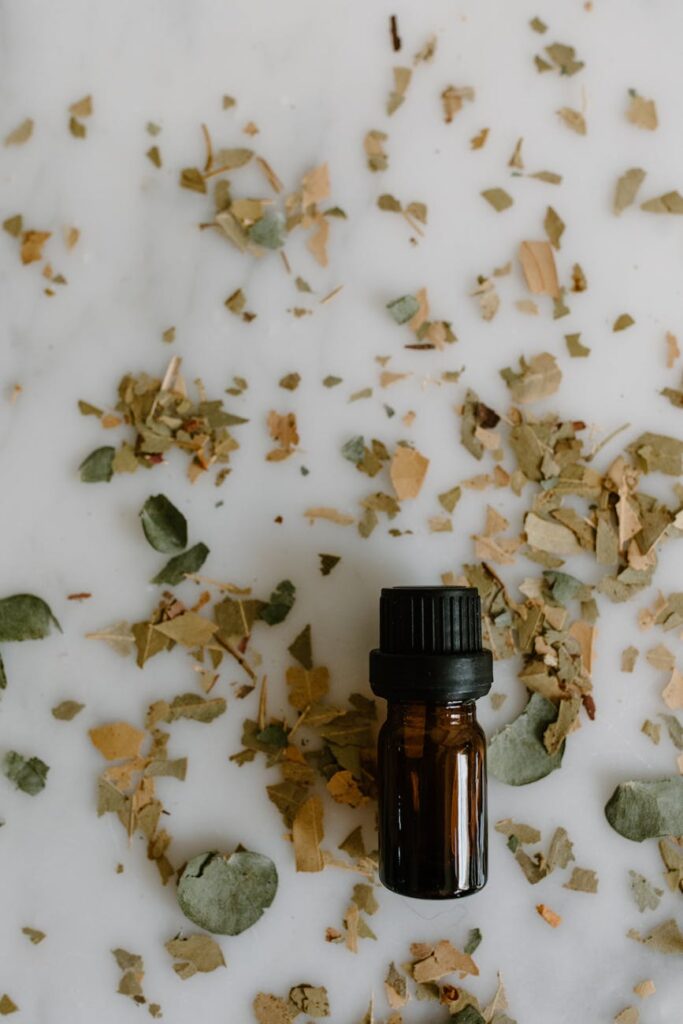
How to Use Herbal Stress-Reducing Essential Oil Blends
Introduction
In today’s fast-paced world, stress has become an all-too-common experience for many individuals. The rise in demand for natural remedies has led to an increased interest in herbal stress-reducing essential oil blends. These blends harness the aromatic properties of various plants to promote relaxation, enhance mood, and support emotional well-being. This article will delve into what these blends are, their benefits, common uses, and practical applications in aromatherapy.
What Is Herbal Stress-Reducing Essential Oil Blends?
Herbal stress-reducing essential oil blends are combinations of concentrated plant extracts known for their calming and soothing properties. Essential oils are derived from various parts of plants, including leaves, flowers, stems, and roots, through methods such as steam distillation or cold pressing. When blended, these oils create synergistic effects that enhance their individual benefits.
Common essential oils used in stress-reducing blends include lavender, chamomile, bergamot, and ylang-ylang. Each oil possesses unique aromatic profiles and therapeutic properties, making them effective in promoting relaxation and alleviating tension.
Key Benefits and Properties
The benefits of herbal stress-reducing essential oil blends can be categorized into several key areas:
1. Emotional Balance: Many essential oils are known to help stabilize emotions, offering support during times of anxiety and stress. Oils like bergamot and frankincense are often associated with uplifting moods.
2. Relaxation: Oils such as lavender and chamomile are celebrated for their calming effects. They can help ease feelings of agitation and promote a sense of tranquility.
3. Sleep Support: Blends containing sedative oils can encourage restful sleep, making them an excellent choice for those struggling with insomnia or restless nights.
4. Mental Clarity: Certain essential oils, like rosemary and lemon, can enhance mental clarity and focus, countering the fog often associated with stress.
5. Physical Relaxation: In addition to emotional benefits, many stress-reducing oils can help alleviate physical tension in the body, promoting overall relaxation.
Common Uses
Herbal stress-reducing essential oil blends can be employed in various ways to take advantage of their calming properties. Some common uses include:
1. Diffusion: Adding a few drops of the blend to a diffuser fills the environment with soothing aromas, creating a tranquil atmosphere.
2. Topical Application: Diluting essential oils with a carrier oil (such as jojoba or sweet almond oil) allows for safe application directly onto the skin, often at pulse points or areas of tension.
3. Bathing: Incorporating essential oils into a warm bath can create a serene spa-like experience, promoting relaxation.
4. Inhalation: Simply inhaling the aroma directly from the bottle or a cotton ball can provide immediate stress relief.
5. Massage: Using the blend in a massage can enhance the relaxation benefits while providing physical relief from tension.
Aromatherapy Applications
Aromatherapy is the practice of using essential oils for therapeutic purposes, and herbal stress-reducing blends can be integrated into various aromatherapy techniques:
1. Massage Therapy: Incorporating these blends into a massage session can amplify relaxation and stress relief.
2. Meditation and Mindfulness: Using essential oils during meditation can enhance focus and create a calming environment conducive to mindfulness practices.
3. Yoga Practices: Applying essential oils before or during yoga can help deepen relaxation and enhance the overall experience.
4. Sleep Rituals: Utilizing essential oils before bedtime can establish a calming pre-sleep routine, promoting deeper and more restorative sleep.
5. Environmental Enhancement: Spraying a diluted blend in living spaces can create a calming atmosphere, especially during stressful times.
Safety Considerations
While essential oils are generally considered safe when used correctly, there are important safety considerations to keep in mind:
1. Dilution: Essential oils should always be diluted with a carrier oil when applied to the skin to prevent irritation.
2. Patch Test: Conducting a patch test can help identify any allergic reactions before using a new blend.
3. Pregnancy and Nursing: Some essential oils may not be suitable for pregnant or nursing individuals. Consulting a knowledgeable source is advisable.
4. Children and Pets: Certain essential oils can be harmful to children and pets. It is essential to research and ensure safety before use.
5. Pre-existing Conditions: Individuals with pre-existing health conditions should consult a qualified practitioner before using essential oils.
Storage and Shelf Life
Proper storage of essential oils is crucial to maintain their potency and effectiveness. Here are some guidelines:
1. Dark Glass Containers: Essential oils should be stored in dark glass bottles to protect them from light, which can degrade the oil.
2. Cool, Dry Place: Storing oils in a cool, dry environment will prevent them from deteriorating due to heat and humidity.
3. Avoid Direct Sunlight: Keeping oils away from direct sunlight will help preserve their chemical properties.
4. Shelf Life: While essential oils do not have a set expiration date, their shelf life varies depending on the oil. Citrus oils, for example, typically last about one to two years, while oils like patchouli may last longer.
Frequently Asked Questions
1. Can I create my own herbal stress-reducing blend?
Yes, creating your own blends can be a rewarding experience. Start with a base oil like lavender or chamomile and gradually add other oils that resonate with your preferences.
2. How do I know which oils to choose for stress relief?
Consider the specific properties of each oil. Research their effects, or consult a reputable resource to identify oils that align with your needs.
3. Are there any side effects associated with essential oils?
While generally safe, some individuals may experience skin irritation or allergic reactions. Always perform a patch test and consult a healthcare professional if you have concerns.
4. Can I use essential oils in a humidifier?
It is advisable to check the manufacturer’s guidelines. Some humidifiers are not designed for essential oils, which can damage the device.
5. How often can I use essential oil blends?
Frequency of use can depend on individual preference and sensitivity. It’s best to start slowly and observe how your body responds.
Conclusion
Herbal stress-reducing essential oil blends offer a natural and holistic approach to managing stress and enhancing emotional well-being. By understanding how to use these blends effectively, individuals can create personalized routines that promote relaxation and tranquility. Whether through diffusion, topical application, or aromatherapy practices, the power of nature can provide a soothing balm for the modern world’s stresses. Always remember to prioritize safety and storage to maximize the benefits of your essential oil experience.