
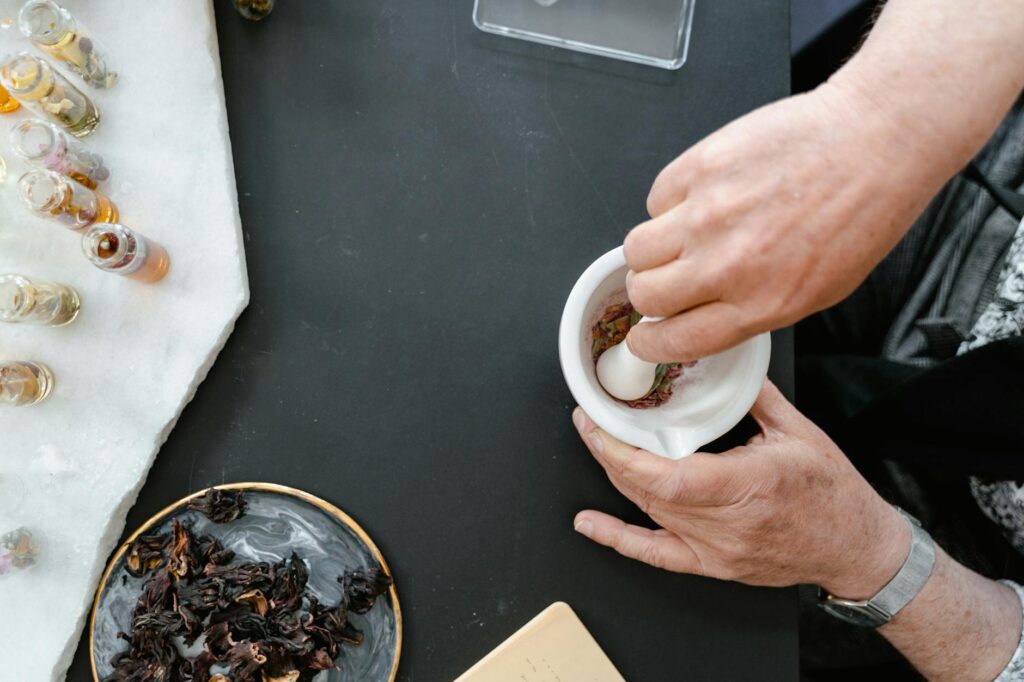
How to Use Hibiscus Extract
Introduction
Hibiscus extract, derived from the vibrant flowers of the hibiscus plant, has garnered attention for its myriad benefits in both culinary and therapeutic applications. With a rich cultural history and a growing presence in modern wellness practices, hibiscus extract is more than just a colorful addition to beverages; it is a versatile ingredient that offers a range of properties and uses. This article aims to explore the essence of hibiscus extract, its benefits, common applications, and important safety considerations.
What Is Hibiscus Extract?
Hibiscus extract is obtained from the flowers of the hibiscus plant, particularly Hibiscus sabdariffa, known for its striking red blossoms. The extraction process typically involves steeping the dried flowers in water or alcohol to yield a concentrated liquid that captures the plant’s beneficial compounds. These compounds include antioxidants, vitamins, and organic acids, which contribute to the extract’s properties and uses.
Hibiscus is native to tropical and subtropical regions, and it has been used for centuries in various cultures for its flavor, color, and health-promoting qualities. The extract is often available in liquid or powdered form, making it easy to incorporate into different recipes and practices.
Key Benefits and Properties
Hibiscus extract is celebrated for its rich composition, which includes:
1. Antioxidants: Hibiscus is packed with antioxidants, such as anthocyanins and flavonoids, which help combat oxidative stress and may protect cells from damage.
2. Vitamins: The extract contains vitamins A and C, which are known for their roles in supporting skin health and immune function.
3. Organic Acids: The presence of citric and malic acids contributes to hibiscus extract’s tart flavor and may aid in digestion.
4. Anti-inflammatory Properties: Some studies suggest that hibiscus extract may help reduce inflammation, potentially benefiting overall health.
5. Hydration: When consumed as a tea or infusion, hibiscus extract is refreshing and hydrating, making it a popular choice in hot climates.
These properties contribute to the versatility of hibiscus extract, making it suitable for various applications in culinary, skincare, and aromatherapy domains.
Common Uses
Hibiscus extract can be utilized in multiple ways, including:
Culinary Uses
- Beverages: Hibiscus tea, made by steeping dried flowers, is a popular drink in many cultures. It can be enjoyed hot or cold and is often sweetened with honey or sugar. The extract can also be added to cocktails, smoothies, and lemonade for a vibrant color and tangy flavor.
- Cooking: Hibiscus extract can be incorporated into sauces, marinades, and dressings. It adds a unique flavor profile and a beautiful hue to dishes.
- Desserts: Chefs often use hibiscus extract in desserts such as sorbets, jellies, and cakes to create visually appealing and flavorful treats.
- Anti-aging: The antioxidants in hibiscus may help reduce the appearance of fine lines and wrinkles, promoting youthful skin.
- Moisturizers: Hibiscus extract can enhance the hydrating properties of lotions and creams, making skin feel supple and nourished.
- Cleansers: Some natural cleansers incorporate hibiscus extract for its gentle exfoliating properties, helping to remove dead skin cells and promote a healthy complexion.
- Conditioning: It may help to condition hair, leaving it softer and more manageable.
- Coloring: The natural pigments in hibiscus can impart a reddish tint to hair, making it a popular choice for those looking for natural hair coloring options.
- Allergies: Some individuals may be allergic to hibiscus. It is advisable to conduct a patch test before applying the extract to the skin.
- Pregnancy and Breastfeeding: Pregnant or breastfeeding individuals should consult a healthcare provider before using hibiscus extract, as its safety in these conditions is not fully established.
- Interactions with Medications: Hibiscus extract may interact with certain medications, particularly those affecting blood pressure. Individuals on medication should seek professional advice before incorporating hibiscus into their routine.
- Dosage: When consumed, moderation is key. Excessive consumption of hibiscus tea or extract may lead to side effects such as stomach upset or changes in urinary color.
- Cool, Dry Place: Store hibiscus extract in a cool, dry place away from direct sunlight. Exposure to heat and light can degrade the extract’s properties.
- Airtight Containers: Use airtight containers to prevent moisture and air exposure, which may affect the extract’s shelf life.
- Shelf Life: Generally, hibiscus extract can last for up to one year if stored properly. Always check for any signs of spoilage, such as off smells or changes in color, before use.
Skincare Applications
Hibiscus extract is increasingly used in skincare products due to its natural properties:
Hair Care
Hibiscus extract is sometimes added to hair care products for its potential benefits:
Aromatherapy Applications
In the realm of aromatherapy, hibiscus extract can be used in several ways:
Essential Oils and Diffusers
Although not a traditional essential oil, hibiscus extract can be blended with carrier oils for topical applications or used in diffusers. Its floral scent offers a calming and uplifting ambiance, making it suitable for relaxation and stress relief.
Bath Products
Hibiscus extract can enhance bath products such as bath bombs, salts, and oils. When added to a warm bath, it can create a soothing experience, both for the skin and the senses.
Massage Oils
When mixed with a suitable carrier oil, hibiscus extract can be used in massage oils, providing a fragrant and hydrating experience during bodywork sessions.
Safety Considerations
While hibiscus extract is generally considered safe for most individuals, certain precautions should be observed:
Storage and Shelf Life
Proper storage is crucial to maintain the quality and potency of hibiscus extract:
Frequently Asked Questions
1. Can hibiscus extract be used in cooking?
Yes, hibiscus extract is versatile and can be used in various culinary applications, including beverages, sauces, and desserts.
2. Is hibiscus extract safe for everyone?
While generally safe, individuals with allergies to hibiscus or those pregnant or breastfeeding should consult a healthcare provider before use.
3. How can I incorporate hibiscus extract into my skincare routine?
Hibiscus extract can be added to moisturizers, cleansers, or used in DIY skincare recipes for its hydrating and anti-aging properties.
4. Does hibiscus extract have any side effects?
In moderation, hibiscus extract is safe for most people. However, excessive consumption may lead to stomach upset or other mild side effects.
5. How should I store hibiscus extract?
Hibiscus extract should be stored in a cool, dry place in airtight containers to maintain its quality and extend its shelf life.
Conclusion
Hibiscus extract is a multifaceted ingredient that offers a range of benefits and applications in culinary, skincare, and aromatherapy practices. Its vibrant color, delightful flavor, and potential health properties make it a popular choice among wellness enthusiasts. By understanding how to use hibiscus extract safely and effectively, individuals can enrich their lives with the natural goodness of this remarkable plant.