
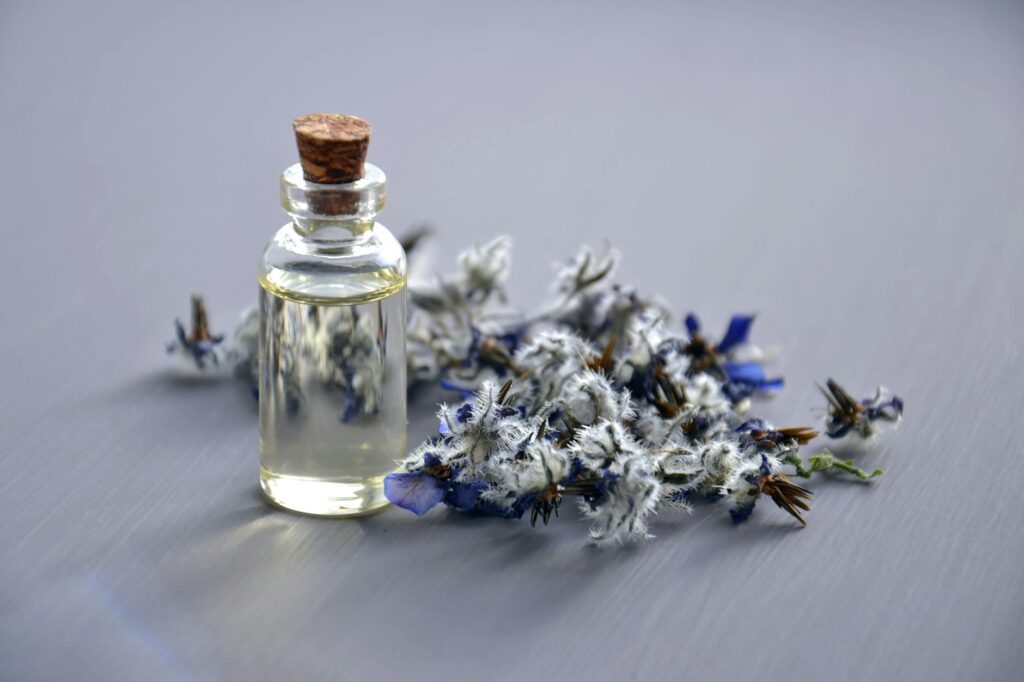
How to Use Hydrodistillation of Lavender Oil
Introduction
Lavender oil is one of the most popular essential oils in the world, renowned for its calming and aromatic properties. Among various extraction methods, hydrodistillation stands out as a traditional and effective technique for obtaining high-quality lavender oil. This article will provide a comprehensive overview of hydrodistillation, exploring its benefits, uses, applications in aromatherapy, and safety considerations.
What Is Hydrodistillation of Lavender Oil?
Hydrodistillation is a method of extracting essential oils from plants using water. The process involves the following steps:
1. Preparation of Plant Material: Fresh lavender flowers are harvested and cleaned to remove any impurities.
2. Distillation Process: The cleaned flowers are placed in a still, where they are submerged in water. The mixture is then heated. As the water boils, steam rises, carrying the essential oil particles from the lavender flowers.
3. Condensation: The steam is cooled and condensed back into liquid form. This liquid contains both water and essential oils.
4. Separation: The essential oil, being less dense than water, floats on the surface of the distillate. It is collected for further use, while the remaining water is often referred to as hydrosol, which retains some of the plant’s beneficial properties.
Hydrodistillation is a favored method for lavender oil extraction due to its efficiency and ability to preserve the delicate aromatic compounds.
Key Benefits and Properties
Hydrodistilled lavender oil is celebrated for its wide range of benefits and properties, including:
- Calming and Relaxing: Lavender oil is widely recognized for its soothing aroma, which can help reduce stress and promote relaxation.
- Antimicrobial: Studies have shown that lavender oil possesses antimicrobial properties, making it useful for skincare.
- Anti-inflammatory: Lavender oil may help reduce inflammation, making it a popular choice for topical applications.
- Sleep Aid: Many people use lavender oil to enhance sleep quality, as its aroma is believed to promote a restful environment.
- Stress Relief: Diffusing lavender oil in living spaces can help alleviate tension and anxiety. It is often recommended for use in meditation and yoga practices.
- Sleep Enhancement: Lavender oil is frequently used in sleep sprays and pillow mists. Its soothing aroma can help create an environment conducive to restful sleep.
- Mood Elevation: Inhalation of lavender oil can help lift mood and promote emotional balance. Many practitioners incorporate it into emotional support blends.
- Massage Therapy: Lavender oil is commonly used in massage oils, where its relaxing properties can enhance the overall experience.
- Dilution: Always dilute lavender oil with a carrier oil (such as jojoba or coconut oil) before applying it to the skin to avoid irritation.
- Allergic Reactions: Always conduct a patch test before extensive topical application. Apply a small amount of diluted oil to a discreet area and wait 24 hours to check for any adverse reactions.
- Pregnancy and Nursing: Pregnant and nursing individuals should consult a healthcare professional before using lavender oil.
- Children: Lavender oil is generally considered safe for children over two years old when used appropriately. However, it’s advisable to consult a healthcare provider for specific guidance.
- Interactions with Medications: If you are taking medications, especially sedatives, consult a healthcare provider before using lavender oil, as it may enhance their effects.
- Storage Conditions: Store lavender oil in a cool, dark place away from direct sunlight and heat sources. A dark glass bottle is preferable, as it protects the oil from light degradation.
- Shelf Life: When stored properly, lavender oil can last for about 3 to 5 years. However, its aroma and potency may diminish over time. It’s advisable to check for any changes in smell or consistency before use.
These properties make lavender oil a versatile essential oil in both therapeutic and household applications.
Common Uses
Lavender oil extracted through hydrodistillation can be employed in numerous ways:
1. Aromatherapy: Used in diffusers, lavender oil can create a calming atmosphere.
2. Topical Applications: Diluted lavender oil can be applied to the skin for various purposes, including soothing minor burns or insect bites.
3. Household Cleaning: Due to its antimicrobial properties, lavender oil can be added to cleaning products for a natural scent and added effectiveness.
4. Bathing: A few drops of lavender oil in a warm bath can enhance relaxation and relieve tension.
5. Culinary Uses: In small quantities, lavender oil can be used in cooking or baking to impart a unique flavor to dishes.
Aromatherapy Applications
In aromatherapy, lavender oil is particularly valued for its calming effects. Here are some applications:
For effective aromatherapy, it is often recommended to use a diffuser or oil burner. Alternatively, simply inhaling the scent directly from the bottle or applying diluted oil to pulse points can also be effective.
Safety Considerations
While lavender oil is generally considered safe for most individuals, there are some important safety considerations to keep in mind:
Storage and Shelf Life
Proper storage is essential for maintaining the quality and efficacy of lavender oil:
Frequently Asked Questions
1. What is the difference between hydrodistillation and steam distillation?
Hydrodistillation uses water to extract essential oils, while steam distillation uses steam alone. Both methods can yield high-quality oils, but hydrodistillation may better preserve certain delicate compounds due to the gentler process.
2. Can lavender oil be ingested?
While lavender oil is sometimes used in culinary applications, ingestion should be approached with caution. Always consult a qualified expert before consuming essential oils.
3. Is there a difference between organic and non-organic lavender oil?
Organic lavender oil is derived from plants grown without synthetic pesticides or fertilizers. While both types can offer similar properties, organic oils are often preferred for their purity and environmental considerations.
4. Can lavender oil cause skin irritation?
Lavender oil can cause skin irritation in some individuals, especially if used undiluted. Always dilute with a carrier oil and perform a patch test prior to extensive use.
5. How can I incorporate lavender oil into my daily routine?
Lavender oil can be easily incorporated into daily routines through various methods such as diffusing, adding to bathwater, including in skincare products, or using in homemade cleaning solutions.
—
Lavender oil, particularly when obtained through hydrodistillation, offers a range of benefits and applications. By understanding its properties, uses, and safety considerations, individuals can effectively incorporate this versatile essential oil into their daily lives and wellness practices.