
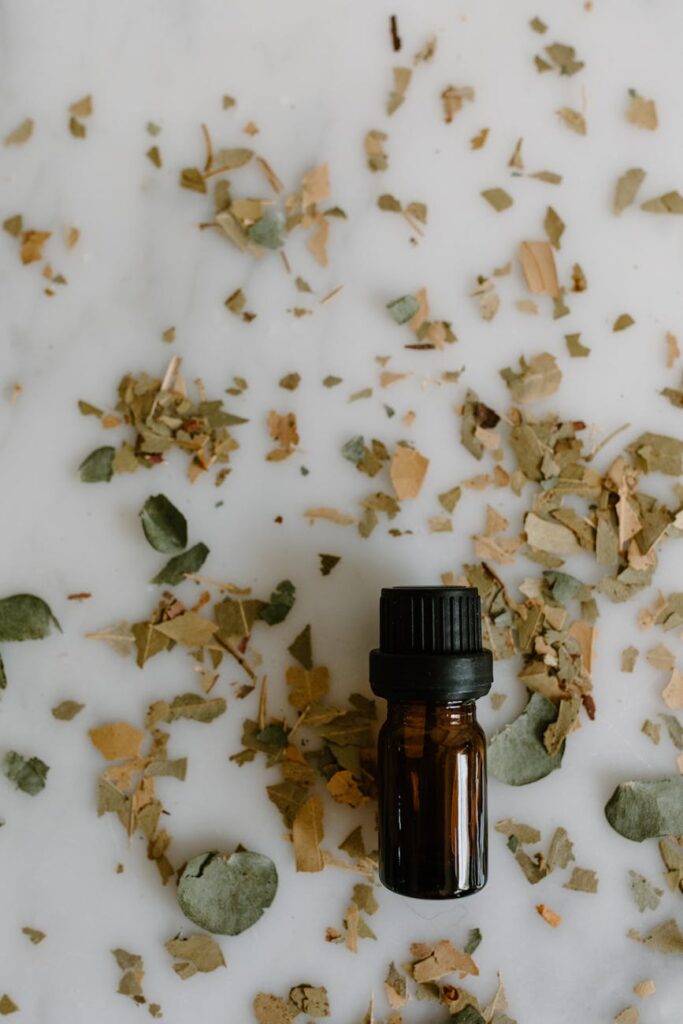
How to Use Hydrodistillation Techniques
Introduction
Hydrodistillation is a method for extracting essential oils from plant materials, revered for its ability to capture the aromatic essence of botanicals. This age-old technique has become a cornerstone in the production of essential oils, offering a means to harness the therapeutic properties of plants for various applications. In this article, we will explore the intricacies of hydrodistillation, including its mechanisms, benefits, common uses, and considerations for safe handling and storage.
What Is Hydrodistillation Techniques?
Hydrodistillation is a specific form of steam distillation, wherein water serves as the extraction medium. The process involves immersing plant materials—such as leaves, flowers, seeds, or bark—in water and heating the mixture. As the water heats up, it generates steam, which rises and carries the essential oils with it. The steam is then condensed back into liquid form, separating the oil from the water.
The technique can be divided into three primary stages:
1. Preparation: Plant materials are prepared, often chopped or ground to increase surface area, and then placed in a distillation apparatus.
2. Distillation: The water is heated, creating steam that passes through the plant material, extracting the volatile compounds.
3. Separation: The steam, now infused with essential oils, is condensed. The resulting mixture separates into two layers: the essential oil and the hydrosol (the water remaining after distillation).
Hydrodistillation is particularly effective for extracting oils from delicate flowers and leaves, making it a popular method in the production of high-quality essential oils.
Key Benefits and Properties
Hydrodistillation offers a variety of benefits that contribute to its popularity among essential oil producers:
- Preservation of Aroma: The gentle heating used in hydrodistillation helps to preserve the delicate aromatic compounds found in plants, resulting in high-quality essential oils.
- Diverse Extraction: This technique can be applied to a wide range of botanicals, making it versatile for different types of essential oils.
- Minimal Chemical Use: Hydrodistillation relies primarily on water and heat, minimizing the use of chemicals or solvents in the extraction process.
- Sustainability: Since it uses water as a primary medium, hydrodistillation is often viewed as a more environmentally friendly method compared to other extraction techniques.
- Hydrosol Production: The process not only yields essential oils but also produces hydrosols, which possess their own beneficial properties and are used in various applications.
- Aromatherapy: Essential oils extracted via hydrodistillation are widely used in aromatherapy for their potential emotional and psychological benefits.
- Cosmetics and Personal Care: These oils are often incorporated into skincare and beauty products due to their fragrant properties and potential skin benefits.
- Household Products: Many natural cleaning products and air fresheners utilize hydrodistilled essential oils for their pleasant scents and potential antibacterial properties.
- Food and Beverage: Some essential oils are used as flavoring agents in culinary applications, adding unique tastes to various dishes and beverages.
- Perfume Industry: The fragrance industry frequently relies on hydrodistilled oils to create complex scent profiles in perfumes and colognes.
- Lavender: Known for its calming properties, lavender essential oil is often used to alleviate stress and promote relaxation. It is commonly diffused or added to bathwater.
- Peppermint: This invigorating oil is frequently employed for its refreshing scent, often used to enhance focus and energy levels. It’s commonly added to inhalers or diffused in workspaces.
- Eucalyptus: With its fresh, clean aroma, eucalyptus oil is a favorite for respiratory support. It is often used in steam inhalation or blended into massage oils.
- Tea Tree: Renowned for its antiseptic properties, tea tree oil is frequently added to skincare products to help promote clear skin.
- Dilution: Most essential oils should be diluted before topical application to avoid skin irritation. A common dilution ratio is 1-5% essential oil to a carrier oil.
- Allergies and Sensitivities: Conduct a patch test before using a new essential oil. Apply a small amount to a small area of skin to check for any adverse reactions.
- Pregnancy and Nursing: Certain essential oils may not be safe for pregnant or nursing individuals. It is advisable to consult with a qualified professional before use in these circumstances.
- Children and Pets: Some essential oils can be harmful to children and pets. Always research the safety of specific oils before use around them.
- Storage: Essential oils should be stored in dark glass bottles away from light and heat to maintain their potency and prevent degradation.
- Containers: Store essential oils in dark glass bottles to protect them from light, which can cause deterioration. Avoid plastic containers, as some oils can interact with plastic.
- Temperature: Keep oils in a cool, dark place, away from heat sources. High temperatures can affect the chemical composition of the oils.
- Shelf Life: The shelf life of essential oils varies depending on the type. Generally, citrus oils have shorter shelf lives (6-12 months), while oils like patchouli and sandalwood can last for several years if stored properly. Always check for any changes in aroma or appearance before use.
Common Uses
Hydrodistilled essential oils have a multitude of applications across different fields. Some of the most common uses include:
Aromatherapy Applications
In the realm of aromatherapy, hydrodistilled essential oils are prized for their therapeutic properties, which can influence mood and well-being. Here are some popular hydrodistilled oils and their common applications:
These essential oils can be utilized in various ways, such as through diffusion, topical application (when diluted), or in personal care items.
Safety Considerations
While hydrodistilled essential oils are generally regarded as safe when used appropriately, there are several safety considerations to keep in mind:
Storage and Shelf Life
Proper storage of hydrodistilled essential oils is crucial to preserving their quality. Here are some guidelines:
Frequently Asked Questions
What is the difference between hydrodistillation and steam distillation?
Hydrodistillation involves using water as the extraction medium, while steam distillation uses steam directly. Hydrodistillation can be gentler on delicate plant materials, making it suitable for flowers and other sensitive botanicals.
Can hydrodistillation be performed at home?
While it is possible to perform hydrodistillation at home using specialized equipment, it requires careful attention to detail to ensure quality and safety. For beginners, purchasing essential oils from reputable suppliers is often more practical.
Are hydrosols the same as essential oils?
No, hydrosols are the water left over after the distillation process and contain a small amount of essential oil. They are generally milder and can be used in skin care and as fragrant waters.
How do I choose the right essential oil for me?
Selecting an essential oil can depend on personal preference and desired effects. Consider exploring different scents and researching their properties to find oils that resonate with your needs.
Are there any essential oils that should be avoided?
Yes, certain essential oils can cause adverse reactions or may not be suitable for everyone. Research and consult reputable sources to learn about oils that may be best avoided based on individual circumstances.
Conclusion
Hydrodistillation remains a revered method for extracting essential oils, offering a sustainable and effective means to harness the aromatic and therapeutic properties of plants. By understanding the techniques, benefits, and applications of hydrodistilled oils, enthusiasts can make informed choices in their use of essential oils for aromatherapy, cosmetics, and other applications. As with any natural product, safety, proper storage, and respect for the potency of essential oils are paramount to ensure a rewarding experience.