
How to Use Hydrosol Distillation Techniques
Introduction
Hydrosols, often referred to as floral waters, are by-products of the steam distillation process used to extract essential oils from plant materials. While they contain some of the same therapeutic properties as essential oils, hydrosols are gentler, making them suitable for a broader range of applications. This article provides a comprehensive guide to hydrosol distillation techniques, emphasizing their benefits, common uses, and safety considerations.
What Is Hydrosol Distillation Techniques?
Hydrosol distillation is a process that involves the extraction of volatile compounds from plant materials through steam distillation. In this method, steam is passed through plant matter, vaporizing the essential oils and carrying them along with the steam. When the steam cools, it condenses back into liquid form. The liquid collected consists of two components: essential oil and hydrosol.
The main difference between hydrosols and essential oils lies in their composition. Hydrosols contain water-soluble compounds, whereas essential oils are primarily lipid-soluble. The distillation process can vary based on the plant material used, the equipment involved, and the desired end products.
The Distillation Process
1. Preparation of Plant Material: Fresh or dried plant material is chosen based on the desired aromatic and therapeutic properties. The material is often chopped or shredded to increase the surface area for extraction.
2. Steam Generation: Water is heated in a boiler to produce steam. The steam is then introduced into the distillation chamber containing the plant material.
3. Condensation: As the steam passes through the plant material, it extracts volatile compounds. The steam and essential oils then travel to a condenser, where they cool and revert to liquid form.
4. Separation: The liquid collected in the receiving vessel contains both hydrosol and essential oil. Due to differences in density, the essential oil typically floats on top of the hydrosol. Careful separation is required to collect the hydrosol.
5. Filtration: The hydrosol may be filtered to remove any particulate matter before storage.
Key Benefits and Properties
Hydrosols are celebrated for their mildness and versatility. Some key benefits include:
- Gentleness: Suitable for all skin types, including sensitive skin, making them ideal for topical applications.
- Hydration: Hydrosols can provide hydration and soothing properties when applied to the skin.
- Aromatic Properties: They retain a subtle fragrance that can enhance mood and create a calming environment.
- Therapeutic Qualities: Many hydrosols possess anti-inflammatory, antibacterial, and antifungal properties.
- Facial Toners: Hydrosols like rose or lavender can be used as refreshing facial toners, helping to balance the skin’s pH and maintain hydration.
- Body Sprays: They can serve as light body sprays, providing a pleasant scent without the intensity of essential oils.
- Hair Care: Certain hydrosols can be beneficial for hair health, offering conditioning properties when used as a rinse or spray.
- Household Fresheners: Hydrosols can be used as natural air fresheners to eliminate odors and create a pleasant ambiance.
- Bath Additives: Adding hydrosols to bathwater can enhance relaxation and provide skin benefits.
- Room Sprays: Hydrosols can be diluted with water and used in a spray bottle to create an aromatic atmosphere in living spaces.
- Inhalation: A few drops of hydrosol can be added to a bowl of hot water for steam inhalation, helping to clear the airways and promote relaxation.
- Massage Blends: Hydrosols can be combined with carrier oils for massage applications, offering a soothing experience.
- Meditation Aids: Spraying hydrosols in the meditation space can create a calming environment, enhancing focus and tranquility.
- Patch Testing: Always perform a patch test before using a new hydrosol on the skin, especially for those with sensitive skin.
- Dilution: Although hydrosols are milder than essential oils, they may still require dilution when used in cosmetic applications.
- Storage: Store hydrosols in dark glass bottles to protect them from light and heat, which can degrade their quality.
- Consultation: Individuals with specific health concerns should consult a knowledgeable professional before using hydrosols, especially those who are pregnant, nursing, or have underlying health conditions.
- Containers: Use dark glass containers to protect hydrosols from light exposure, which can cause degradation.
- Temperature: Store hydrosols in a cool, dark place, away from direct sunlight and heat sources.
- Shelf Life: Hydrosols typically have a shelf life of 1 to 3 years, depending on the type and storage conditions. Always check for changes in aroma, color, or clarity before use.
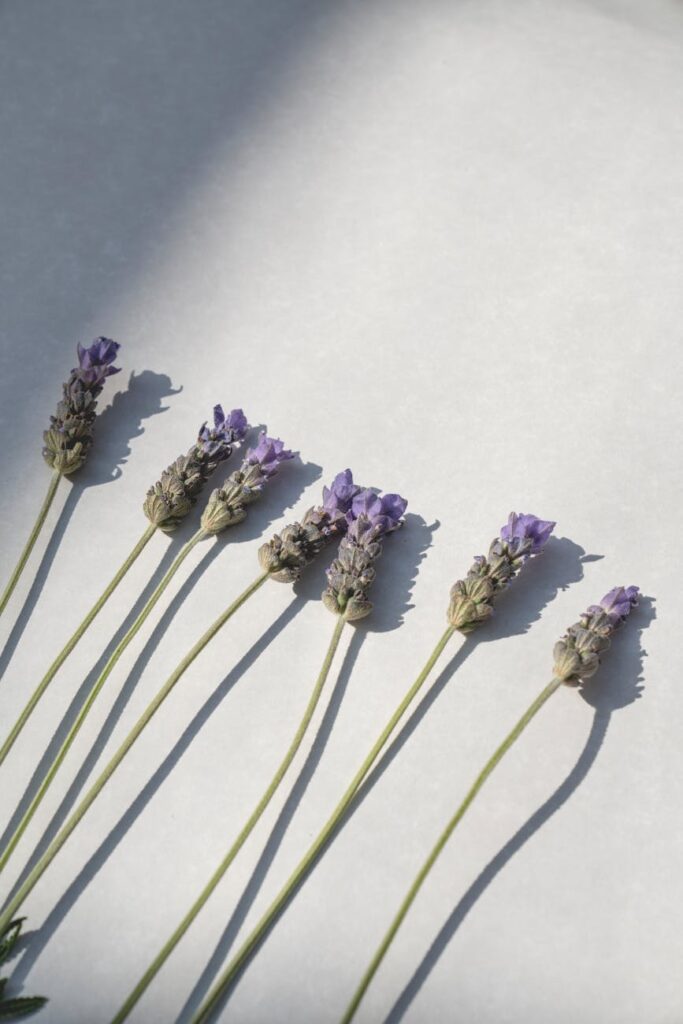
Common hydrosols include rose, lavender, and chamomile, each offering unique benefits and characteristics.
Common Uses
Hydrosols can be utilized in various ways, including:
Aromatherapy Applications
In aromatherapy, hydrosols are increasingly being recognized for their therapeutic properties. They can be used in various ways:
Safety Considerations
While hydrosols are generally safe for use, it is essential to consider the following:
Storage and Shelf Life
Proper storage is crucial for maintaining the quality of hydrosols. Here are essential tips:
Frequently Asked Questions
1. What is the difference between hydrosols and essential oils?
Hydrosols are the water-soluble by-products of essential oil distillation, while essential oils are concentrated lipid-soluble compounds. Hydrosols are milder and can be used directly on the skin, whereas essential oils often require dilution.
2. Can hydrosols be ingested?
While some hydrosols are considered safe for culinary use, it is crucial to consult a knowledgeable expert before ingesting any hydrosol. Always ensure that the hydrosol is food-grade.
3. Are there any plants that should not be distilled into hydrosols?
Certain plants may produce hydrosols that are not safe for use, either due to toxicity or potential skin reactions. It is essential to research each plant’s properties before distillation and use.
4. How can I incorporate hydrosols into my skincare routine?
Hydrosols can be used as facial toners, added to creams or lotions, or used as refreshing mists throughout the day. Always choose a hydrosol that suits your skin type and needs.
5. Can hydrosols be used in children’s products?
Many hydrosols are safe for use in children’s products; however, it is advisable to consult a knowledgeable professional regarding specific hydrosols and their suitability.
Conclusion
Hydrosol distillation techniques offer a fascinating insight into the gentle and versatile world of aromatic botanicals. With their myriad of benefits and applications, hydrosols provide a valuable resource for those looking to incorporate natural aromas and therapeutic qualities into their daily lives. Whether used in skincare, aromatherapy, or household applications, understanding how to use hydrosols safely and effectively can enhance your overall well-being and enjoyment of nature’s offerings.