
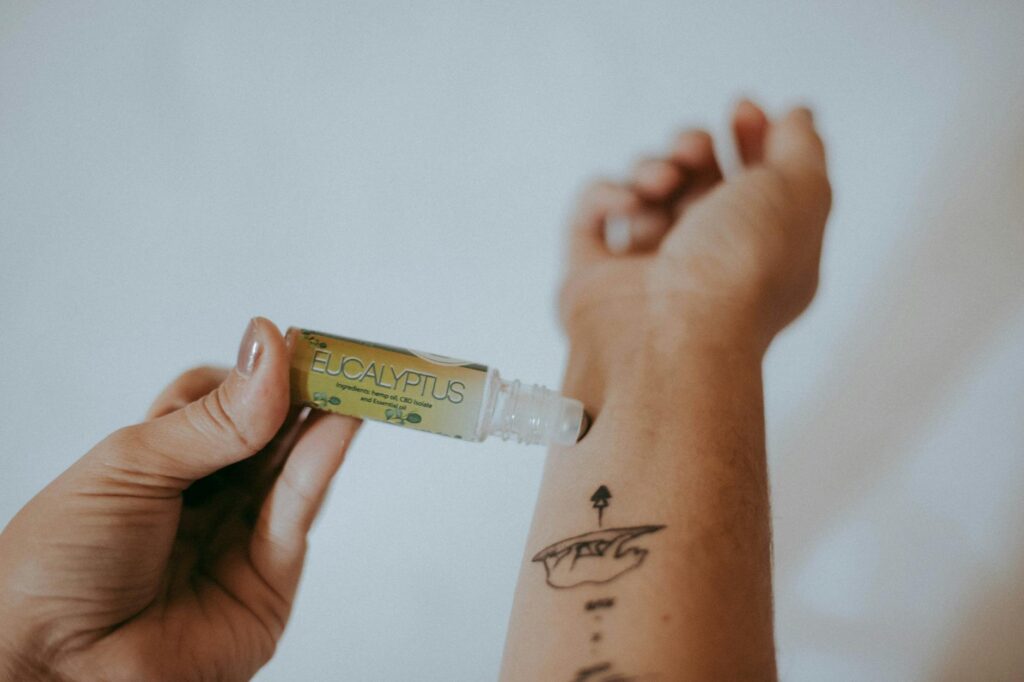
How to Use Jojoba Oil
Introduction
Jojoba oil has gained considerable attention in the realms of skincare, haircare, and holistic wellness due to its versatile properties and myriad applications. Extracted from the seeds of the jojoba plant (Simmondsia chinensis), this oil is not a true oil but rather a liquid wax ester, making it unique among natural oils. In this article, we will explore the characteristics, benefits, and various applications of jojoba oil, providing a comprehensive guide for those interested in integrating it into their daily routines.
What Is Jojoba Oil?
Jojoba oil is derived from the seeds of the jojoba plant, which is native to the arid regions of North America, particularly the southwestern United States and northern Mexico. The extraction process involves cold-pressing the seeds to retain the oil’s natural properties. The resulting product is a golden-yellow liquid that closely resembles the natural sebum produced by human skin, making it an effective moisturizer and skin conditioner.
The chemical composition of jojoba oil includes long-chain fatty acids, fatty alcohols, and esters, which contribute to its emollient properties and stability. Due to its unique structure, jojoba oil is highly resistant to oxidation, allowing it to maintain its beneficial properties over time.
Key Benefits and Properties
Jojoba oil is celebrated for its numerous benefits and properties, making it a popular ingredient in various cosmetic and personal care products. Key benefits include:
- Moisturizing: Jojoba oil hydrates the skin and hair without clogging pores, making it suitable for various skin types, including oily and acne-prone skin.
- Balancing: Its similarity to sebum helps to regulate oil production in the skin, making it beneficial for both dry and oily skin types.
- Anti-inflammatory: The oil possesses anti-inflammatory properties that can help soothe irritated skin and reduce redness.
- Antioxidant-rich: Jojoba oil contains vitamin E and other antioxidants that help protect the skin from oxidative stress and environmental damage.
- Non-comedogenic: Unlike some oils, jojoba oil does not block pores, reducing the likelihood of breakouts.
- Wound healing: The oil can support skin repair and healing, making it useful for minor cuts and abrasions.
- Moisturizer: Apply a few drops directly to the skin after cleansing to hydrate and lock in moisture.
- Makeup remover: Use jojoba oil to gently dissolve makeup, including waterproof formulations, without stripping the skin of its natural oils.
- Exfoliation: Combine jojoba oil with sugar or salt for a natural exfoliating scrub, helping to remove dead skin cells.
- Conditioner: Apply jojoba oil to the ends of hair to provide hydration and prevent split ends.
- Scalp treatment: Massage jojoba oil into the scalp to alleviate dryness and flakiness, promoting a healthier scalp environment.
- Frizz control: Use a small amount of jojoba oil to tame frizz and add shine to hair.
- Patch Test: Before using jojoba oil on larger areas of skin, perform a patch test by applying a small amount to a discreet area and waiting 24 hours to check for any adverse reactions.
- Allergies: Individuals with known allergies to nuts should exercise caution, as some may experience reactions to jojoba oil.
- Pregnancy: While jojoba oil is considered safe for topical application during pregnancy, consult with a healthcare professional before use, especially regarding essential oils.
- Interactions: If you are using other topical treatments or medications, consider consulting with a healthcare provider to ensure compatibility.
- Container: Store jojoba oil in a dark glass bottle to protect it from light exposure, which can degrade its quality.
- Temperature: Keep the oil in a cool, dry place away from direct sunlight and heat.
- Shelf Life: Jojoba oil has a long shelf life compared to many other oils, often lasting 1-2 years when stored correctly. However, always check for any off-odors or changes in consistency before use.
Common Uses
Jojoba oil is versatile and can be utilized in various ways:
Skincare
Haircare
Massage
Jojoba oil serves as an excellent base oil for massage, easily absorbed by the skin without leaving a greasy residue.
Nail Care
Apply jojoba oil to cuticles and nails to nourish and strengthen them, preventing breakage and promoting healthy growth.
Aromatherapy Applications
While jojoba oil is not an essential oil, it can be used as a carrier oil in aromatherapy. Carrier oils dilute essential oils before topical application, ensuring safe use on the skin. Here are some ways to incorporate jojoba oil into aromatherapy:
Dilution of Essential Oils
To create a blended oil for massage or topical application, mix a few drops of your preferred essential oil with jojoba oil. A common dilution ratio is 1-2% essential oil to 98-99% carrier oil, though the ratio can be adjusted based on individual preferences and sensitivities.
Scented Body Oils
Combine jojoba oil with essential oils to create personalized scented body oils. This allows for a customized aromatherapy experience while benefiting from the moisturizing properties of jojoba oil.
Diffusion
Although jojoba oil is not suitable for diffusion, it can be used to make scented oil blends for topical applications, enhancing the overall aromatherapy experience.
Safety Considerations
Jojoba oil is generally safe for most individuals. However, it is essential to consider the following safety precautions:
Storage and Shelf Life
To maintain the quality and efficacy of jojoba oil, proper storage is essential:
Frequently Asked Questions
Is jojoba oil suitable for all skin types?
Yes, jojoba oil is generally suitable for all skin types, including oily, dry, and sensitive skin. It mimics the skin’s natural oils, helping to balance moisture levels.
Can jojoba oil help with acne?
Jojoba oil may help with acne-prone skin by regulating oil production and providing hydration without clogging pores. However, individual results may vary.
How can I use jojoba oil for hair care?
You can apply jojoba oil directly to the hair or scalp, use it as a leave-in conditioner, or mix it with other hair products to enhance hydration and shine.
Is jojoba oil safe for children?
Jojoba oil is generally safe for children, but it is advisable to perform a patch test first. Always consult a healthcare professional if you have concerns.
Can jojoba oil be used in cooking?
While jojoba oil is edible, it is not commonly used in cooking due to its high cost and unique flavor. It is primarily utilized for cosmetic and topical applications.
Conclusion
Jojoba oil stands out among natural oils for its unique properties and versatility, making it a valuable addition to personal care routines. From skincare to haircare and beyond, its benefits are numerous. By understanding how to properly use and store jojoba oil, individuals can harness its potential to enhance their wellness and beauty regimens. As always, consider individual sensitivities and preferences when incorporating new products into your routine.