
How to Use Lavender Extract
Introduction
Lavender extract has gained immense popularity in recent years, not only for its delightful fragrance but also for its wide range of applications in holistic health, beauty, and household uses. Derived from the flowers of the lavender plant (Lavandula angustifolia), this extract captures the essence of lavender, providing a versatile tool for enhancing well-being and creating inviting spaces. This article delves into the intricacies of lavender extract, exploring its properties, benefits, common uses, and safety considerations.
What Is Lavender Extract?
Lavender extract is a concentrated form of the lavender plant, typically obtained through steam distillation or solvent extraction methods. The resulting product contains a variety of chemical compounds, including linalool and linalyl acetate, which contribute to its characteristic scent and therapeutic properties. While essential oils are often mentioned in the context of aromatherapy, lavender extract can refer to both essential oils and tinctures, depending on the extraction process used.
Types of Lavender Extract
1. Essential Oil: This is the purest form of lavender extract, obtained through distillation. It is highly concentrated and should be used with care.
2. Tincture: This is made by soaking lavender flowers in alcohol or another solvent, extracting both volatile and non-volatile compounds. Tinctures may be less potent than essential oils and are often used in herbal remedies.
3. Infused Oils: These are created by infusing lavender flowers in carrier oils, yielding a gentler product suitable for topical applications.
Key Benefits and Properties
Lavender extract is renowned for its myriad benefits, largely attributed to its chemical composition. Here are some of the key properties:
- Relaxation and Stress Relief: Lavender has long been celebrated for its calming effects, making it a popular choice for reducing anxiety and promoting relaxation.
- Antimicrobial Properties: Research suggests that lavender extract may possess antimicrobial properties, making it useful in skin care and household cleaning formulations.
- Anti-Inflammatory Effects: Some studies indicate that lavender may help reduce inflammation, contributing to its use in various topical applications.
- Sleep Aid: Lavender is often utilized to promote better sleep quality, leading to its inclusion in sleep products and bedtime rituals.
- Mood Enhancer: The uplifting scent of lavender can improve mood and create a sense of well-being, making it a favored choice in aromatherapy.
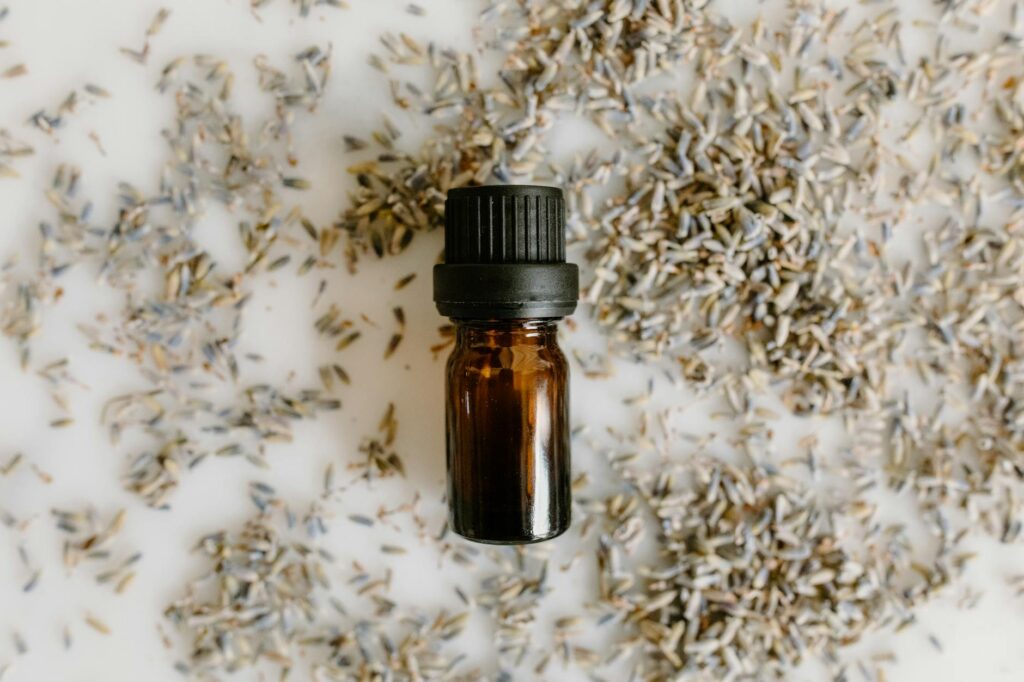
- Storage: Keep lavender extract in a cool, dark place away from direct sunlight. Dark glass bottles are ideal for preserving essential oils and extracts.
- Shelf Life: The shelf life of lavender extract can vary depending on the form. Generally, essential oils can last for 1-3 years, while tinctures may have a longer shelf life due to their alcohol content. Always check for any signs of spoilage, such as changes in color or scent.
Common Uses
Lavender extract finds a place in various domains, including personal care, culinary applications, and household products. Here are some common uses:
Personal Care
1. Skin Care: Lavender extract is often included in lotions, creams, and serums for its soothing and anti-inflammatory properties. It may help alleviate minor skin irritations and promote a healthy complexion.
2. Hair Care: Shampoos and conditioners with lavender extract can nourish the scalp and promote hair health.
3. Bath Products: Bath bombs, salts, and oils infused with lavender create a relaxing bathing experience, promoting stress relief and relaxation.
Culinary Uses
Lavender extract can also be used in culinary applications:
1. Flavoring: It can add a unique floral flavor to baked goods, teas, and culinary dishes.
2. Herbal Infusions: Lavender can be steeped in water or alcohol to create herbal infusions for beverages and cocktails.
Household Products
1. Cleaning Solutions: Lavender’s antimicrobial properties make it an excellent addition to homemade cleaning solutions, helping to purify and freshen spaces.
2. Air Fresheners: Lavender extract can be used in homemade sprays or diffusers to create a pleasant aroma in living spaces.
Aromatherapy Applications
Aromatherapy utilizes the essence of plants to promote emotional and physical well-being. Lavender extract is a staple in this practice due to its calming properties. Here are several ways to incorporate lavender extract in aromatherapy:
Diffusion
Using a diffuser is one of the most popular methods to disperse lavender’s aroma in a room. Add a few drops of lavender essential oil or a lavender tincture to a diffuser filled with water, and enjoy the calming ambiance.
Inhalation
Inhaling lavender extract directly from the bottle or a cotton ball can provide immediate relaxation. This method is particularly beneficial in stressful situations or before bedtime.
Massage
Diluting lavender essential oil in a carrier oil (such as coconut or jojoba) makes for an excellent massage oil. The combined effects of touch and the aroma can enhance relaxation and relieve tension.
Bathing
Adding a few drops of lavender extract to a warm bath can create a soothing experience, promoting relaxation and preparing the body for sleep.
Pillow Sprays
Creating a pillow spray with lavender extract can help establish a calming bedtime routine. Simply mix lavender extract with water in a spray bottle and lightly mist your pillow before sleep.
Safety Considerations
While lavender extract is generally considered safe for most individuals, there are important safety considerations to keep in mind:
1. Skin Sensitivity: Perform a patch test before using lavender extract on the skin, especially if you have sensitive skin or allergies.
2. Dilution: Essential oils should always be diluted in a carrier oil before topical application to prevent skin irritation.
3. Pregnancy and Nursing: Pregnant or nursing individuals should consult a healthcare professional before using lavender extract.
4. Children: Use caution when applying lavender extract around young children. It is advisable to consult pediatric guidelines or a healthcare provider.
5. Interactions: Lavender may interact with certain medications, so individuals taking prescriptions should consult a healthcare professional before use.
Storage and Shelf Life
Proper storage of lavender extract is essential to maintain its potency and efficacy:
Frequently Asked Questions
1. Can lavender extract be ingested?
While some culinary uses of lavender are safe, lavender essential oil is highly concentrated and should not be ingested unless specifically formulated for internal use. Always consult a knowledgeable source or professional before consuming any essential oils.
2. Is lavender extract safe for pets?
Lavender is generally safe for pets in small amounts, but essential oils can be toxic to some animals, especially cats and dogs. Consult a veterinarian before using lavender extract around pets.
3. Can I use lavender extract for skin conditions?
Lavender extract is often included in skin care products for its soothing properties. However, for specific skin conditions, it is best to consult a dermatologist or healthcare provider for appropriate treatment options.
4. How do I choose a quality lavender extract?
Look for lavender extracts that are organic and labeled as pure. Essential oils should be sourced from reputable companies that provide information about their extraction methods and purity.
5. Can lavender extract help with sleep issues?
Many individuals find lavender extract beneficial for promoting relaxation and improving sleep quality. However, results may vary, and it is important to establish a holistic sleep routine for the best outcomes.
Conclusion
Lavender extract is a versatile and beneficial addition to both daily life and holistic practices. From its calming aroma to its numerous applications in personal care and household products, lavender’s appeal is both timeless and universal. Understanding how to use lavender extract safely and effectively can enhance well-being and create a serene atmosphere in various settings. Always prioritize quality and safety when incorporating lavender extract into your routines, and enjoy the many benefits this remarkable plant has to offer.