
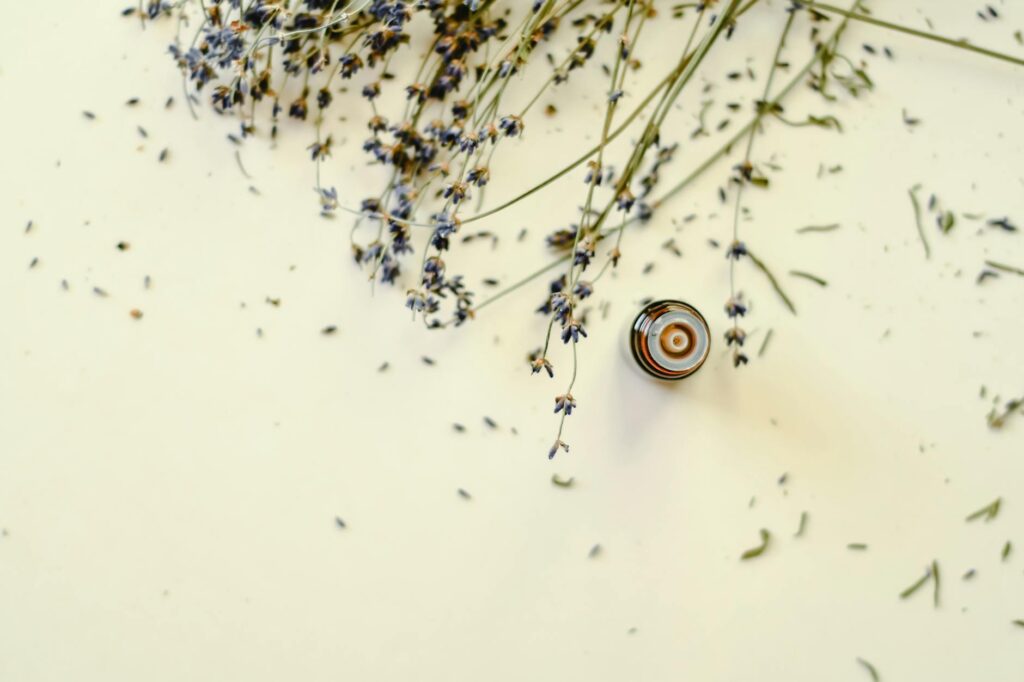
How to Use Lavender Oil
Introduction
Lavender oil, derived from the flowers of the Lavandula angustifolia plant, has been cherished for centuries for its soothing aroma and versatile applications. As one of the most popular essential oils, lavender oil is widely used in aromatherapy, skincare, household products, and more. This article aims to provide a comprehensive overview of lavender oil, including its properties, benefits, common uses, and safety considerations.
What Is Lavender Oil?
Lavender oil is an essential oil that is extracted through steam distillation from the flowering tops of the lavender plant. The oil is known for its distinctive floral scent, which is both calming and refreshing. It is one of the most studied essential oils, with extensive research supporting its various uses. Lavender is native to Europe and the Mediterranean region, but it is now cultivated in many parts of the world.
Key Benefits and Properties
Lavender oil is celebrated for its numerous beneficial properties, which include:
1. Calming and Relaxing: Lavender oil is renowned for its ability to promote relaxation and reduce stress. Its calming effects can help alleviate anxiety and improve mood.
2. Antimicrobial Properties: Studies suggest that lavender oil has antimicrobial properties that may help inhibit the growth of certain bacteria and fungi.
3. Anti-inflammatory Effects: Lavender oil possesses anti-inflammatory properties, which may help reduce skin irritation and promote healing.
4. Sleep Aid: Many people use lavender oil to improve sleep quality, as its soothing aroma can help create a tranquil environment conducive to rest.
5. Pain Relief: The oil is often used in massages for its potential to relieve muscle tension and headaches.
6. Insect Repellent: Lavender oil is known to repel certain insects, making it a popular choice for natural pest control.
Common Uses
Lavender oil is versatile and can be incorporated into various aspects of daily life. Some common uses include:
1. Aromatherapy: Diffusing lavender oil in a room can create a calming atmosphere that promotes relaxation and well-being.
2. Skincare: Lavender oil is often included in skincare products for its soothing properties. It may help alleviate minor skin irritations, burns, and insect bites.
3. Household Products: Lavender oil can be added to cleaning products for its pleasant fragrance and antimicrobial properties.
4. Bathing: Adding a few drops of lavender oil to bathwater can enhance relaxation and create a spa-like experience.
5. Massage: Mixed with a carrier oil, lavender oil can be used for massages to relieve tension and promote relaxation.
Aromatherapy Applications
Aromatherapy harnesses the therapeutic properties of essential oils to promote physical and emotional well-being. Lavender oil is a staple in this practice due to its calming effects. Here are several ways to incorporate lavender oil into your aromatherapy routine:
1. Diffusion
Using an essential oil diffuser is one of the simplest methods to enjoy the benefits of lavender oil. Fill the diffuser with water and add a few drops of lavender oil. Turn on the diffuser and allow the aroma to fill the space, creating a serene environment.
2. Inhalation
For immediate relaxation, you can inhale lavender oil directly from the bottle or add a few drops to a cotton ball and breathe in the scent. This method is especially useful during stressful situations or before bedtime.
3. Topical Application
When diluted with a carrier oil, lavender oil can be applied to pulse points (temples, wrists, neck) for a calming effect. Always ensure to conduct a patch test to check for any skin sensitivities.
4. Bath Soak
Create a calming bath experience by adding several drops of lavender oil to warm bathwater. This not only enhances relaxation but also nourishes the skin.
5. Sleep Enhancement
To improve sleep quality, consider placing a sachet filled with dried lavender flowers near your pillow or using a lavender-scented pillow spray before bedtime.
Safety Considerations
While lavender oil is generally considered safe for most individuals when used appropriately, there are several safety considerations to keep in mind:
1. Dilution: Essential oils should always be diluted with a carrier oil when applied to the skin. A common dilution ratio is 2-3 drops of essential oil per teaspoon of carrier oil.
2. Skin Sensitivity: Conduct a patch test before applying lavender oil topically to check for allergic reactions or skin sensitivities.
3. Pregnancy and Nursing: Pregnant or nursing individuals should consult with a qualified healthcare provider before using essential oils.
4. Children: Always consult a pediatrician before using essential oils on children, as their skin can be more sensitive.
5. Interactions: If you are taking medications or have health concerns, consult a healthcare professional to ensure that lavender oil will not interact with your treatment.
Storage and Shelf Life
Proper storage of lavender oil is essential to maintain its quality and efficacy. Here are some tips for storage:
1. Cool, Dark Place: Store lavender oil in a cool, dark place away from direct sunlight to prevent degradation.
2. Tightly Sealed Containers: Ensure the bottle is tightly sealed to minimize exposure to air, which can lead to oxidation.
3. Shelf Life: When stored correctly, lavender oil can last for several years. However, it is always best to check for changes in color, scent, or viscosity before use, as these may indicate that the oil has gone bad.
Frequently Asked Questions
1. Can lavender oil be ingested?
Ingesting essential oils is a controversial topic, and it is generally not recommended unless under the guidance of a qualified healthcare provider.
2. Is lavender oil safe for pets?
While lavender oil is sometimes used for pets, it should be done cautiously. Some animals may be sensitive to essential oils. Consult a veterinarian before using lavender oil around pets.
3. How can I tell if my lavender oil is pure?
Look for oils that are labeled as 100% pure essential oil, free from additives. Consider purchasing from reputable brands that provide information about their sourcing and distillation processes.
4. Can lavender oil help with headaches?
Many people find relief from headaches through the calming effects of lavender oil, particularly when used in aromatherapy or diluted for topical application. However, individual results may vary.
5. How often can I use lavender oil?
Lavender oil can be used daily, but it is crucial to monitor your body’s response and adjust usage accordingly. Always practice moderation and ensure proper dilution for topical applications.
Conclusion
Lavender oil is a remarkable essential oil with a rich history of use in aromatherapy, skincare, and various household applications. With its calming aroma and numerous benefits, it remains a staple in many households worldwide. By understanding its properties, proper usage, and safety considerations, individuals can confidently incorporate lavender oil into their daily routines, enhancing their well-being and creating a tranquil environment. Always remember to prioritize safety and quality when exploring the world of essential oils.