
How to Use Lemon Myrtle Oil Safely
Introduction
Lemon Myrtle oil, derived from the leaves of the Backhousia citriodora tree native to Australia, has garnered attention in the world of aromatherapy and natural wellness. With its refreshing lemony scent and a range of potential benefits, it has become a popular choice among essential oils enthusiasts. However, as with all essential oils, understanding how to use lemon myrtle oil safely is crucial for maximizing its benefits while minimizing any risks. This article will guide you through the essential aspects of lemon myrtle oil safety, including its properties, common uses, and best practices for safe application.
What Is Lemon Myrtle Oil Safety?
Lemon Myrtle oil safety encompasses the guidelines and best practices for using this essential oil effectively and without adverse effects. Essential oils are concentrated plant extracts that can be potent and may cause reactions if not used correctly. Understanding how to handle lemon myrtle oil responsibly ensures a positive experience, whether you’re using it for aromatherapy, topical applications, or household purposes.
Key Benefits and Properties
Lemon Myrtle oil is known for its high citral content, which is responsible for its distinct citrus aroma and many of its therapeutic properties. Here are some of the key benefits and properties attributed to lemon myrtle oil:
1. Antimicrobial Properties: Research suggests that lemon myrtle oil possesses antimicrobial and antifungal properties, making it useful for cleaning and disinfecting surfaces.
2. Mood Enhancer: The uplifting scent of lemon myrtle is believed to have mood-enhancing effects, making it a popular choice for aromatherapy to alleviate stress and anxiety.
3. Respiratory Support: The oil’s invigorating scent may promote clearer breathing and respiratory health, often used in diffusers during cold seasons.
4. Skin Benefits: Lemon myrtle oil has been employed in various skincare products due to its potential to soothe skin irritations and provide a refreshing effect.
5. Natural Insect Repellent: The strong scent of lemon myrtle can deter insects, making it a natural alternative to chemical repellents.
Common Uses
Lemon Myrtle oil can be utilized in various applications, including:
- Aromatherapy: Diffusing lemon myrtle oil in a room can create a refreshing atmosphere.
- Topical Applications: When diluted properly, lemon myrtle oil can be used in skincare formulations for its soothing effects.
- Household Cleaning: Its antimicrobial properties make it an effective natural cleaner.
- Cooking and Flavoring: While primarily an essential oil, lemon myrtle leaves are also used in culinary applications, lending a lemony flavor to dishes.
- Diffusion: Adding a few drops of lemon myrtle oil to a diffuser can create an uplifting atmosphere. It can be blended with other essential oils such as lavender or eucalyptus for varied effects.
- Inhalation: Inhaling lemon myrtle oil directly from the bottle or a cotton ball can provide immediate mood-enhancing benefits.
- Massage: When diluted with a carrier oil, lemon myrtle oil can be used for massage, providing both aromatic benefits and soothing effects on the skin.
- Storage Conditions: Store lemon myrtle oil in a cool, dark place, away from direct sunlight and heat sources. This will help prevent the oil from degrading.
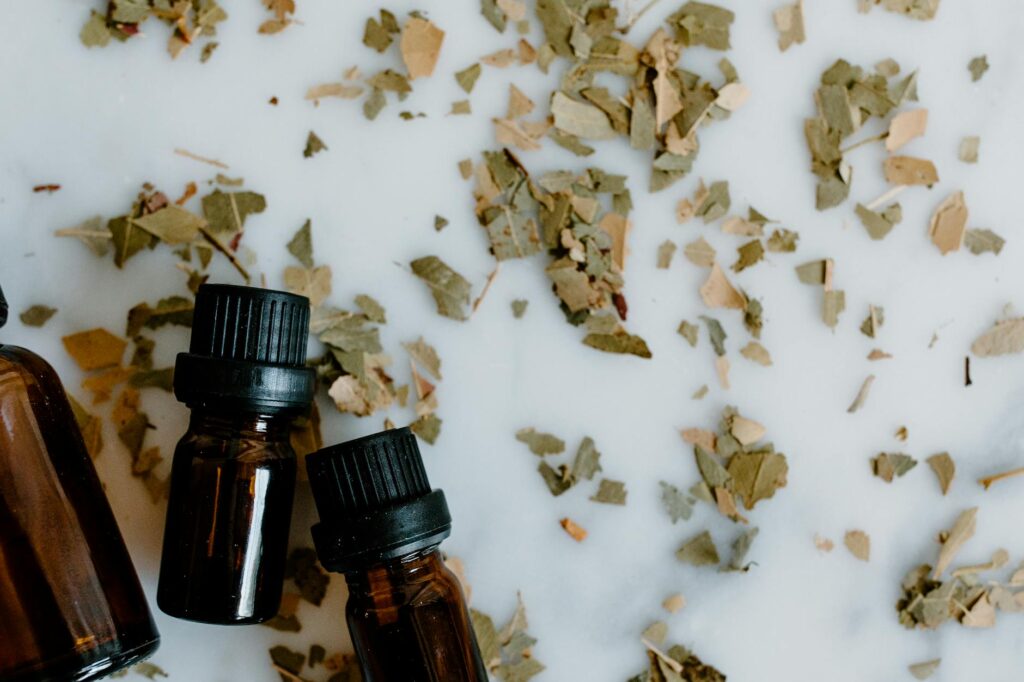
- Container: Use dark glass bottles for storing essential oils, as they provide protection from light, which can cause oxidation.
- Shelf Life: Lemon myrtle oil typically has a shelf life of about 1-2 years when stored correctly. Regularly check for any signs of rancidity or changes in aroma, which may indicate that the oil has gone bad.
Aromatherapy Applications
In aromatherapy, lemon myrtle oil is typically used in the following ways:
Safety Considerations
To ensure the safe use of lemon myrtle oil, consider the following precautions:
1. Dilution: Essential oils are highly concentrated; thus, they should always be diluted before topical application. A common dilution ratio is 1-2 drops of lemon myrtle oil per teaspoon of carrier oil (such as coconut or jojoba oil).
2. Patch Testing: Before applying lemon myrtle oil to larger areas of the skin, conduct a patch test. Apply a diluted drop to a small area and observe for any adverse reactions over 24 hours.
3. Pregnancy and Nursing: Pregnant or nursing individuals should consult with a healthcare professional before using lemon myrtle oil or any essential oils.
4. Allergies: Individuals with known allergies to citrus or related plants should exercise caution and consult with a healthcare professional before use.
5. Ingestion: While some essential oils are safe for culinary use, lemon myrtle oil’s ingestion should be approached cautiously. Always consult with a qualified professional before considering ingestion.
6. Children and Pets: Keep lemon myrtle oil out of reach of children and pets. Consult with a veterinarian or pediatrician before using essential oils around animals or young children.
Storage and Shelf Life
Proper storage of lemon myrtle oil is essential to maintaining its quality and efficacy. Here are some guidelines:
Frequently Asked Questions
Can lemon myrtle oil be used on sensitive skin?
Yes, but it is crucial to dilute it with a carrier oil and conduct a patch test first to ensure there is no adverse reaction.
Is lemon myrtle oil safe for children?
While lemon myrtle oil can be used around children, it is best to consult with a pediatrician about appropriate dilution ratios and application methods.
Can I use lemon myrtle oil in cooking?
While the leaves of the lemon myrtle plant are often used in culinary applications, essential oil ingestion should be approached with caution. Always consult a qualified professional before consuming essential oils.
How can I use lemon myrtle oil to clean my home?
You can create a natural cleaning solution by mixing a few drops of lemon myrtle oil with water and white vinegar in a spray bottle for an effective surface cleaner.
What are the signs of an allergic reaction to lemon myrtle oil?
Signs of an allergic reaction can include redness, itching, hives, or swelling at the application site. If any of these occur, discontinue use immediately and consult a healthcare professional.
Conclusion
Lemon Myrtle oil offers a multitude of benefits and applications, making it a valuable addition to your essential oil collection. However, understanding how to use it safely is paramount to enjoying its full potential. By following the guidelines outlined above, you can incorporate lemon myrtle oil into your wellness routine with confidence, ensuring both safety and enjoyment. Always remember to consult with a professional when in doubt, and happy exploring in the world of essential oils!