
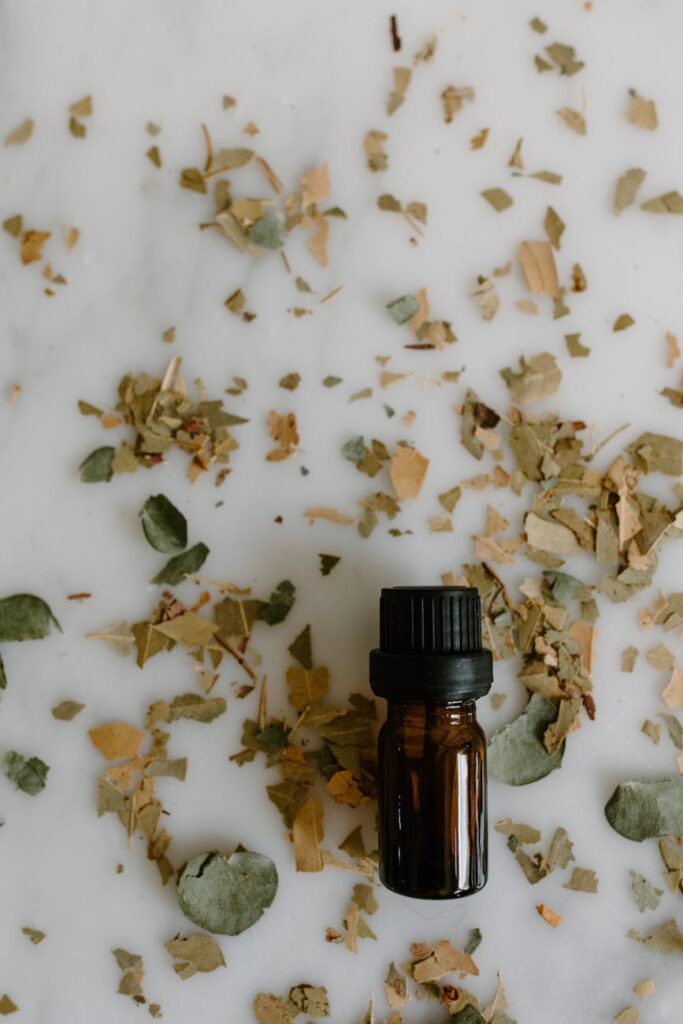
How to Use Marjoram Oil
Introduction
Marjoram oil, derived from the leaves of the Origanum majorana plant, has been cherished for centuries for its aromatic and therapeutic properties. This essential oil is not only popular in culinary applications but also holds a significant place in the realm of aromatherapy and natural wellness. In this article, we will explore the characteristics, benefits, and various uses of marjoram oil, while also addressing safety considerations and storage tips.
What Is Marjoram Oil?
Marjoram oil is extracted through steam distillation from the flowering tops and leaves of the marjoram plant, a member of the mint family. The oil has a warm, herbaceous, and slightly sweet aroma, making it a favored ingredient in both cooking and therapeutic practices. The primary chemical constituents of marjoram oil include terpenes, alcohols, and phenols, contributing to its unique scent and beneficial properties.
Key Benefits and Properties
The benefits of marjoram oil are vast and varied. While it is crucial to note that these benefits are based on traditional uses and anecdotal evidence, many users find marjoram oil to be a valuable addition to their lifestyle. Here are some key properties associated with marjoram oil:
1. Relaxation and Stress Relief
Known for its calming effects, marjoram oil can help reduce feelings of stress and anxiety. Its soothing aroma may promote relaxation, making it an excellent choice for use in stressful environments.
2. Antimicrobial Properties
Research suggests that marjoram oil possesses antimicrobial qualities, which can help inhibit the growth of certain bacteria and fungi. This makes it a popular choice for natural cleaning products and skin care formulations.
3. Digestive Support
Marjoram oil has been traditionally used to support digestion. Its carminative properties may help alleviate discomfort associated with gas and bloating.
4. Muscle Relief
The oil is also known for its potential to ease muscle tension and soreness. This makes it a popular choice for massage blends, especially after physical activity.
5. Respiratory Health
Marjoram oil may support respiratory health due to its expectorant properties, which can help in clearing the airways.
Common Uses
Marjoram oil is versatile and can be used in various ways. Here are some common applications:
1. Culinary Uses
In cooking, marjoram oil can enhance the flavor of a variety of dishes, particularly Mediterranean cuisine. A few drops can be added to soups, stews, and marinades for a delightful twist.
2. Aromatherapy Diffusion
Using a diffuser, marjoram oil can fill a space with its soothing aroma, creating a calming atmosphere. This can be particularly beneficial in settings such as yoga studios, spas, or personal meditation spaces.
3. Massage Oils
Due to its muscle-relaxing properties, marjoram oil is often included in massage oils. It can be blended with a carrier oil such as sweet almond or jojoba oil for topical application.
4. Skincare
Marjoram oil can be found in various skincare products due to its antimicrobial properties. It can be diluted and applied to the skin for its potential benefits, such as soothing irritation.
5. Bathing
Adding a few drops of marjoram oil to a warm bath can create a relaxing experience, promoting both physical and mental well-being.
Aromatherapy Applications
In aromatherapy, marjoram oil is typically used alone or blended with other essential oils to enhance its effects. Here are some popular combinations:
1. With Lavender
Combining marjoram with lavender can enhance relaxation and promote restful sleep. This blend is ideal for evening use, whether in a diffuser or added to a bedtime massage oil.
2. With Sweet Orange
Marjoram oil and sweet orange create an uplifting blend that can help alleviate stress and promote a positive mood. This combination is excellent for daytime diffusion.
3. With Peppermint
For muscle relief, marjoram oil can be mixed with peppermint oil. This invigorating blend can be used in a massage oil to soothe sore muscles after exercise.
4. With Eucalyptus
When aiming to support respiratory health, marjoram oil can be blended with eucalyptus oil. This combination can be particularly effective in a steam inhalation or diffuser during cold months.
Safety Considerations
While marjoram oil is generally considered safe when used appropriately, there are several safety considerations to keep in mind:
1. Dilution
Essential oils should always be diluted before topical application. A common recommendation is to use a carrier oil, such as coconut or jojoba oil, to reduce the risk of skin irritation.
2. Allergies
Individuals with allergies to plants in the Lamiaceae family (such as mint, basil, and sage) should use caution and conduct a patch test before using marjoram oil.
3. Pregnancy and Nursing
Pregnant or nursing women should consult with a qualified healthcare professional before using marjoram oil, as certain essential oils may not be advisable during these times.
4. Children
Marjoram oil should be used with caution around children. It is best to consult with a healthcare provider for appropriate usage guidelines.
5. Professional Guidance
Always seek guidance from a qualified aromatherapist or healthcare provider when using essential oils, especially for therapeutic purposes.
Storage and Shelf Life
To maintain the quality and potency of marjoram oil, proper storage is essential:
1. Storage Conditions
Marjoram oil should be stored in a cool, dark place, away from heat and sunlight. A dark glass bottle is ideal for protecting the oil from light exposure.
2. Shelf Life
When stored properly, marjoram oil has a shelf life of approximately 2 to 3 years. However, it is advisable to check for any changes in smell or consistency before use.
Frequently Asked Questions
1. Can marjoram oil be ingested?
While some essential oils are safe for culinary use, marjoram oil should only be ingested under the guidance of a healthcare professional.
2. Is marjoram oil safe for pets?
Certain essential oils can be harmful to pets. It is best to consult a veterinarian before using marjoram oil around animals.
3. How can I use marjoram oil for stress relief?
Diffusing marjoram oil in a space or adding it to a warm bath can create a calming atmosphere. Using it in a massage oil can also help alleviate tension.
4. Can I use marjoram oil in a diffuser?
Yes, marjoram oil can be used in a diffuser. A few drops mixed with water can provide a soothing aroma throughout your living space.
5. What is the difference between marjoram oil and oregano oil?
While both oils come from plants in the Lamiaceae family, marjoram oil is milder and sweeter than oregano oil, which has a more robust and pungent aroma.
Conclusion
Marjoram oil is a versatile essential oil with a rich history of culinary and therapeutic use. From its calming properties to its potential benefits in skincare and aromatherapy, it offers a range of applications that can enhance daily life. As with any essential oil, it is essential to approach its use mindfully and with consideration for safety. By incorporating marjoram oil into your routine, you may discover new pathways to relaxation and rejuvenation.