
How to Use Marula Oil
Introduction
Marula oil has gained considerable attention in recent years, celebrated for its nourishing properties and versatility in both cosmetic and therapeutic applications. Extracted from the nuts of the marula tree (Sclerocarya birrea), native to Southern Africa, this oil is rich in essential fatty acids, antioxidants, and vitamins. This article explores the characteristics, benefits, and various applications of marula oil, offering insights into how it can be effectively incorporated into your daily routine.
What Is Marula Oil?
Marula oil is a light, non-greasy oil that is cold-pressed from the seeds of the marula fruit. The marula tree is known for its resilience and adaptability, thriving in a range of environments, from savannas to forests. The fruit, which is about the size of a plum, is a staple in the diets of many local communities and has been used for centuries for its nutritional benefits.
The oil itself is pale yellow in color and has a mild, slightly nutty aroma. Given its unique composition, marula oil is highly prized in the cosmetic and personal care industries, often included in products designed for skin and hair care.
Key Benefits and Properties
Marula oil boasts a variety of beneficial properties that make it a sought-after ingredient in skincare and wellness products:
- High in Fatty Acids: Primarily composed of oleic, linoleic, and palmitic acids, marula oil deeply hydrates and nourishes the skin, making it an excellent moisturizer for all skin types.
- Rich in Antioxidants: The oil contains high levels of vitamin C and vitamin E, both of which are known for their antioxidant properties. These compounds help neutralize free radicals, potentially reducing the signs of aging.
- Anti-Inflammatory Properties: Studies suggest that marula oil may help soothe irritated skin, making it beneficial for conditions such as eczema and dermatitis.
- Non-Comedogenic: Marula oil is lightweight and absorbs quickly, which means it does not clog pores. This makes it suitable for those with oily or acne-prone skin.
- Antimicrobial Effects: Preliminary research indicates that marula oil may exhibit some antimicrobial properties, which could help in maintaining skin health.
- Moisturizer: Due to its hydrating properties, marula oil is often used as a facial moisturizer. A few drops can be applied to the face and neck after cleansing.
- Serum: It can be used as a serum, either alone or mixed with other oils or essential oils to enhance its benefits.
- Makeup Remover: Its lightweight texture makes it an effective makeup remover, gently dissolving makeup without stripping the skin of its natural oils.
- Hair Nourishment: Marula oil can be applied to the ends of the hair to help tame frizz and provide shine. It can also be used as a pre-shampoo treatment to hydrate dry hair.
- Scalp Treatment: Massaging marula oil into the scalp can help alleviate dryness and promote a healthier environment for hair growth.
- Body Moisturizer: Marula oil can be mixed with body lotions or used alone to hydrate the skin, leaving it soft and supple.
- Massage Oil: Its smooth texture makes it an excellent choice for use as a massage oil, providing slip and nourishment during the massage.
- While marula oil isn’t typically diffused on its own, it can be blended with essential oils such as lavender, eucalyptus, or citrus oils. The resulting mixture can be added to a diffuser to create a calming or invigorating atmosphere.
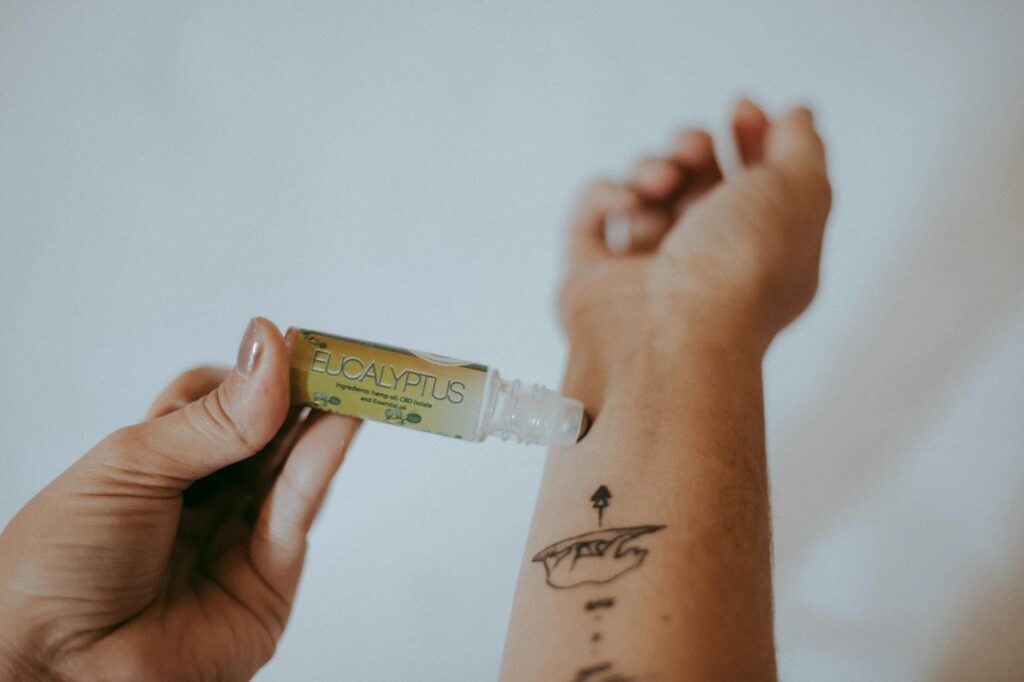
- For a soothing aromatherapy experience, a few drops of marula oil can be mixed with essential oils and applied to pulse points, such as the wrists or behind the ears. This method allows for both the aroma and the nourishing properties of marula oil to be absorbed by the skin.
- Adding marula oil to a warm bath can enhance relaxation. Mix a few drops with Epsom salts to create a soothing bath soak that hydrates the skin while providing aromatic benefits.
- Patch Test: Before using marula oil on a larger area of skin, conduct a patch test by applying a small amount to the inner forearm. Wait 24 hours to check for any adverse reactions.
- Avoid Eye Area: Keep marula oil away from the eyes and mucous membranes. If contact occurs, rinse with water.
- Pregnancy and Allergies: If you are pregnant, nursing, or have known allergies, consult with a healthcare professional before using new oils or products containing marula oil.
- Cool, Dark Place: Store marula oil in a cool, dark place away from direct sunlight. This helps prevent oxidation and preserves its beneficial properties.
- Airtight Container: Use an airtight container to keep the oil from being exposed to air, which can also lead to degradation.
- Shelf Life: When stored correctly, marula oil has a shelf life of approximately 1-2 years. However, always check for changes in color, smell, or consistency, as these may indicate that the oil has gone rancid.
Common Uses
Marula oil can be utilized in a variety of ways, including:
1. Skincare
2. Hair Care
3. Body Care
Aromatherapy Applications
In addition to its topical uses, marula oil can be incorporated into aromatherapy practices, although it is more commonly used as a carrier oil due to its light texture. When blended with essential oils, marula oil can enhance the therapeutic effects of aromatherapy. Here are some ways to use marula oil in this context:
1. Diffusion
2. Topical Application
3. Bath Soak
Safety Considerations
Marula oil is generally considered safe for topical use, but it is important to remember the following precautions:
Storage and Shelf Life
Proper storage of marula oil is essential to maintain its integrity and effectiveness. Here are some tips:
Frequently Asked Questions
1. Can marula oil be used on all skin types?
Yes, marula oil is suitable for all skin types, including oily and sensitive skin, due to its lightweight and non-comedogenic nature.
2. Is marula oil safe for use during pregnancy?
While marula oil is generally considered safe, it is always best to consult with a healthcare professional before using any new product during pregnancy.
3. Can I use marula oil on my hair every day?
Yes, marula oil can be used daily on hair. However, consider your hair type and adjust the amount you use to avoid greasiness.
4. How does marula oil compare to other oils?
Marula oil is often compared to argan oil and jojoba oil. While all three are beneficial for skin and hair, marula oil has a lighter texture and absorbs more quickly, making it a popular choice for those seeking hydration without heaviness.
5. Can marula oil be ingested?
Marula oil is primarily intended for topical use. If you are considering ingesting it, consult a healthcare professional for guidance.
Conclusion
Marula oil is a versatile and beneficial oil that can enhance skincare and haircare routines while offering aromatherapy applications. With its rich composition of fatty acids, antioxidants, and anti-inflammatory properties, marula oil serves as an excellent natural option for those seeking nourishment and hydration. By understanding its various uses and safety considerations, you can effectively incorporate marula oil into your wellness practices for improved skin and hair health.