
How to Use Massage Blends
Introduction
Massage blends are specialized mixtures of essential oils and carrier oils designed to enhance the experience of massage therapy. These blends not only provide therapeutic benefits but also contribute to an overall sense of well-being. As the popularity of aromatherapy continues to grow, understanding how to effectively use these massage blends becomes increasingly important for those seeking relaxation, relief, and a deeper connection to their bodies.
In this article, we will explore the definition of massage blends, their benefits, common uses, and applications in aromatherapy. We will also discuss safety considerations, storage tips, and address frequently asked questions to provide a comprehensive understanding of this enriching practice.
What Is Massage Blends?
Massage blends are formulations that combine various essential oils with a carrier oil to facilitate skin absorption and enhance the sensory experience of massage. Carrier oils, which can include jojoba, sweet almond, or coconut oil, are used to dilute essential oils, making them safe for topical application.
Essential oils are highly concentrated plant extracts known for their aromatic properties and therapeutic effects. When blended appropriately, these oils can create a synergistic effect, enhancing the massage experience by promoting relaxation, alleviating tension, and invigorating the senses.
Key Benefits and Properties
The benefits of massage blends are numerous and can vary depending on the oils used. Some of the key properties include:
1. Relaxation: Many essential oils, such as lavender and chamomile, are known for their calming effects. These can help reduce stress and promote a sense of tranquility during a massage.
2. Pain Relief: Certain oils like peppermint and eucalyptus have properties that may help alleviate muscle soreness and tension, making them ideal for post-exercise recovery.
3. Improved Circulation: Oils such as rosemary and ginger can stimulate blood flow, enhancing the efficacy of the massage and promoting overall well-being.
4. Mood Enhancement: Citrus oils like lemon and orange can uplift the spirit, making the massage experience more enjoyable and energizing.
5. Skin Nourishment: Carrier oils used in blends can provide hydration and nourishment to the skin, enhancing its appearance and health.
Common Uses
Massage blends can be utilized in various settings and for different purposes. Here are some common uses:
1. Professional Massage Therapy: Licensed massage therapists often use custom blends tailored to their clients’ specific needs, enhancing the overall therapeutic experience.
2. At-Home Massage: Individuals can create their own blends for personal use, allowing for a personalized massage experience that caters to individual preferences and needs.
3. Aromatherapy Diffusion: While primarily designed for topical application, some massage blends can also be used in diffusers to create a calming atmosphere in a room.
4. Bath Soaks: Adding a few drops of a massage blend to bathwater can provide a soothing experience, allowing the oils to penetrate the skin while enjoying the aromatic benefits.
5. Self-Care Rituals: Incorporating massage blends into self-care routines can enhance relaxation, improve mental clarity, and promote emotional balance.
Aromatherapy Applications
Aromatherapy utilizes the scent and therapeutic properties of essential oils to promote physical and emotional health. In conjunction with massage, the following applications can be used to maximize benefits:
1. Inhalation: Essential oils can be inhaled directly from the bottle or through a diffuser. This method can enhance mood and relaxation before or after a massage session.
2. Topical Application: When diluted with a carrier oil, massage blends can be applied directly to the skin. This method allows for deeper absorption and localized relief.
3. Steam Inhalation: Adding a few drops of essential oil to a bowl of hot water and inhaling the steam can be a powerful way to experience the benefits of the oils before a massage.
4. Pre-Massage Ritual: Creating a pre-massage ritual involving breathing exercises or meditation while inhaling a massage blend can set the stage for a more transformative experience.
5. Post-Massage Care: Applying a soothing blend after a massage can prolong relaxation and enhance the benefits of the session.
Safety Considerations
While massage blends offer numerous benefits, it is essential to consider safety when using essential oils. Here are some key points to keep in mind:
1. Dilution: Essential oils are potent and should always be diluted with a carrier oil before topical application. A common dilution ratio is 2-3 drops of essential oil per teaspoon of carrier oil.
2. Skin Sensitivity: Perform a patch test by applying a diluted blend to a small area of skin to check for any adverse reactions before using it more widely.
3. Pregnancy and Nursing: Certain essential oils are not recommended for use during pregnancy or breastfeeding. It is advisable to consult with a qualified professional before using any essential oils in these situations.
4. Allergies: Individuals with known allergies should avoid specific oils that may trigger reactions. It is important to read labels carefully and choose oils that are safe.
5. Children and Pets: Many essential oils are not suitable for young children or pets. Always consult with a health professional for guidance in these cases.
Storage and Shelf Life
Proper storage of massage blends is crucial to maintain their efficacy and aroma. Here are some guidelines:
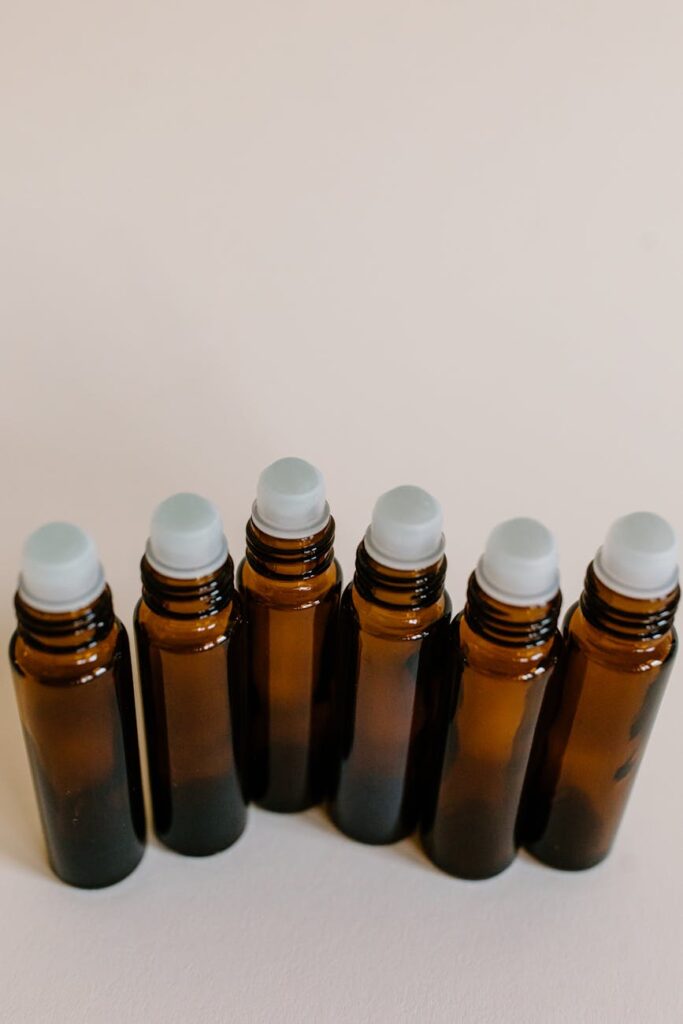
1. Containers: Store essential oils and blends in dark glass bottles to protect them from light, which can degrade their quality over time.
2. Temperature: Keep oils in a cool, dry place away from direct sunlight and heat sources to preserve their properties.
3. Shelf Life: The shelf life of essential oils varies, typically ranging from 1 to 5 years depending on the specific oil. Carrier oils may have a shorter shelf life, often around 6 months to 1 year. Always check for signs of rancidity or changes in aroma before use.
4. Labeling: Clearly label containers with the contents and the date of creation to keep track of freshness and usage.
Frequently Asked Questions
1. Can I create my own massage blends?
Yes, you can create your own blends by mixing essential oils with a carrier oil. Start with small amounts and experiment with different combinations to find what works best for you.
2. How do I choose the right essential oils for my blend?
Consider your specific needs and preferences. For relaxation, oils like lavender and chamomile are excellent. For pain relief, try peppermint or eucalyptus. Research the properties of each oil to guide your selection.
3. Can massage blends be used during pregnancy?
Some essential oils are not recommended for use during pregnancy. Consult with a qualified professional to determine which oils are safe to use.
4. How often should I use massage blends?
The frequency of use depends on personal preference and individual needs. Regular use can enhance benefits, but listen to your body and adjust as necessary.
5. Can I use massage blends on my face?
While some essential oils can be beneficial for facial skin, it is essential to dilute them further due to the sensitivity of facial skin. Always consult guidelines for facial applications.
Conclusion
Massage blends offer a unique and enriching way to enhance the experience of massage therapy. By understanding their properties, benefits, and applications, individuals can create personalized experiences that promote relaxation, relieve tension, and support overall well-being. Safety considerations and proper storage practices will ensure that these blends remain effective and enjoyable. With the right knowledge and approach, massage blends can become a valuable part of both personal self-care routines and professional therapeutic practices.