
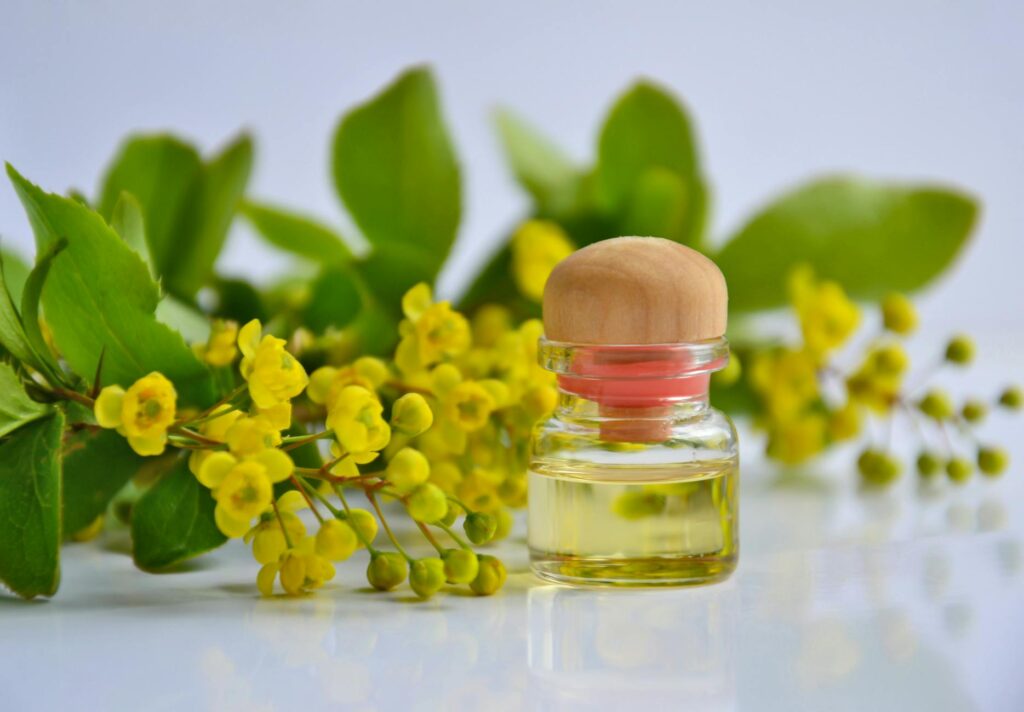
How to Use Medicinal Shrubs
Introduction
Medicinal shrubs have been utilized for centuries across various cultures, treasured for their therapeutic properties and aromatic qualities. As integral components of herbal medicine, these plants serve a variety of purposes, from supporting overall wellness to enhancing emotional well-being through aromatherapy. This article aims to explore the world of medicinal shrubs, their benefits, common uses, and practical applications in aromatherapy.
What Are Medicinal Shrubs?
Medicinal shrubs are woody plants, typically characterized by multiple stems and a height that ranges from one to several meters. Unlike trees, which have a single main stem, shrubs are bushy, offering a dense foliage that can be both decorative and functional. Many medicinal shrubs produce flowers and fruits, contributing to their ecological importance and attractiveness to pollinators.
Some well-known examples of medicinal shrubs include:
- Lavender (Lavandula spp.)
- Sage (Salvia spp.)
- Rosemary (Rosmarinus officinalis)
- Thyme (Thymus vulgaris)
- Elderberry (Sambucus nigra)
- Herbal Teas: Leaves and flowers can be steeped in hot water to create infusions that harness their medicinal properties.
- Essential Oils: The leaves, flowers, and stems can be steam-distilled to produce essential oils, which are widely used in aromatherapy and personal care products.
- Tinctures and Extracts: Alcohol or glycerin can be used to extract the beneficial compounds from shrubs, resulting in concentrated liquid forms.
- Topical Applications: Infused oils or salves made from shrubs can be used for skin care or to soothe minor irritations.
- Culinary Uses: Many medicinal shrubs are also culinary herbs, enhancing flavor while providing health benefits.
These plants often thrive in a variety of climates and soil types, making them accessible for cultivation in gardens and landscapes around the world.
Key Benefits and Properties
Medicinal shrubs are known for a range of beneficial properties, which can include:
1. Antioxidant Properties: Many shrubs, such as rosemary and sage, are rich in antioxidants that help protect the body from oxidative stress.
2. Anti-inflammatory Effects: Certain shrubs may possess anti-inflammatory compounds, which can assist in reducing inflammation in the body.
3. Antimicrobial Activity: Some medicinal shrubs, like thyme, have demonstrated antimicrobial properties, making them valuable in natural health practices.
4. Digestive Support: Herbal teas made from shrubs like sage and mint can aid digestion and provide gastrointestinal comfort.
5. Mood Enhancement: Aromatic shrubs, such as lavender, are commonly used in aromatherapy to promote relaxation and reduce stress.
Common Uses
Medicinal shrubs can be utilized in various forms, including:
Aromatherapy Applications
Aromatherapy is one of the most popular applications of medicinal shrubs. The essential oils derived from these plants are commonly used in various settings, including:
1. Diffusion: Essential oils can be diffused into the air using a diffuser, creating an aromatic atmosphere that promotes relaxation and well-being.
2. Massage: Diluting essential oils with a carrier oil for massage can enhance relaxation, relieve tension, and promote a sense of calm.
3. Bathing: Adding a few drops of essential oil to bathwater can create a soothing experience, allowing the benefits of the oils to be absorbed through the skin.
4. Inhalation: Inhaling the aroma directly from the bottle or a tissue can provide immediate effects, especially for mood enhancement or stress relief.
5. Personal Care Products: Many commercial products, such as lotions and candles, incorporate essential oils from medicinal shrubs for their aromatic and therapeutic properties.
Safety Considerations
While medicinal shrubs offer numerous benefits, it is essential to approach their use with caution:
1. Allergic Reactions: Some individuals may be allergic to specific shrubs. It is advisable to perform a patch test before topical application.
2. Pregnancy and Nursing: Certain essential oils may not be safe for pregnant or nursing women. Consultation with a knowledgeable professional is recommended.
3. Dilution: Essential oils are highly concentrated and should always be diluted with a carrier oil before topical application to avoid skin irritation.
4. Interactions with Medications: Some medicinal shrubs may interact with medications. It is essential to consult a healthcare professional if you are on prescribed treatments.
5. Quality of Products: Always choose high-quality, pure essential oils and herbal products from reputable sources to ensure safety and efficacy.
Storage and Shelf Life
Proper storage of medicinal shrubs and their products is vital for maintaining their potency and effectiveness:
1. Essential Oils: Store in dark glass bottles, away from light and heat. Essential oils typically have a shelf life of 1-3 years, depending on the oil.
2. Dried Herbs: Keep dried leaves and flowers in airtight containers, away from direct sunlight and moisture. They can last up to a year when stored properly.
3. Tinctures and Extracts: These should be kept in cool, dark places and can last for several years due to their alcohol content.
4. Fresh Herbs: If using fresh leaves, store them in the refrigerator, preferably wrapped in a damp cloth or in a container with water to maintain freshness for a week or so.
Frequently Asked Questions
1. Can I grow medicinal shrubs at home?
Yes, many medicinal shrubs are relatively easy to cultivate at home, depending on your climate. Common varieties like lavender and rosemary thrive in well-drained soil and sunny locations.
2. Are there any side effects associated with using medicinal shrubs?
While many people can use medicinal shrubs safely, some may experience side effects such as allergic reactions or skin irritation. It’s important to conduct patch tests and consult with a professional if you have concerns.
3. How do I choose the right essential oil for my needs?
Choosing the right essential oil depends on your specific needs and preferences. Research the properties of different oils and consider trying a few to see which aromas resonate with you.
4. What is the best way to use essential oils for relaxation?
Diffusing essential oils like lavender or chamomile in a well-ventilated space can create a calming atmosphere. Alternatively, adding oils to a warm bath or using them in a massage can enhance relaxation.
5. How long do the effects of aromatherapy last?
The effects of aromatherapy can vary based on individual sensitivity and the method of application. Generally, inhaling essential oils provides immediate effects, while topical applications may have more prolonged effects.
Conclusion
Medicinal shrubs are not only beautiful additions to gardens but also possess a wealth of therapeutic properties. From enhancing emotional well-being through aromatherapy to supporting physical health, their versatility is unparalleled. Understanding how to use and appreciate these plants can empower individuals to incorporate their benefits into everyday life. Whether through teas, essential oils, or culinary applications, medicinal shrubs offer a holistic approach to wellness that has stood the test of time.