
How to Use Medicinal Trees
Introduction
The use of trees in traditional medicine has a rich history that spans cultures and continents. Medicinal trees, revered for their therapeutic properties, have been utilized for centuries to promote health and well-being. This article delves into what constitutes medicinal trees, their benefits, common uses, and how they can be integrated into aromatherapy practices. Additionally, safety considerations, storage tips, and frequently asked questions will be addressed to provide a comprehensive understanding of these natural resources.
What Is Medicinal Trees?
Medicinal trees are species known for their therapeutic qualities, often found in various ecosystems around the world. These trees possess bioactive compounds in their bark, leaves, fruits, and resins, which can contribute to health benefits. Examples include the Neem tree (Azadirachta indica), known for its antiseptic properties; the Tea tree (Melaleuca alternifolia), celebrated for its antifungal and antibacterial capabilities; and the Frankincense tree (Boswellia sacra), valued for its resin used in incense and traditional medicine.
The classification of a tree as “medicinal” can depend on cultural practices, historical usage, and ongoing research into its biochemical properties. Many of these trees have been documented in traditional pharmacopoeias and continue to be studied for their efficacy in modern herbal medicine.
Key Benefits and Properties
Medicinal trees offer a variety of health benefits attributed to their unique biochemical constituents. Some of the key properties include:
1. Antimicrobial: Many medicinal trees possess antimicrobial properties, making them effective in fighting bacteria, viruses, and fungi. For example, the essential oils extracted from the Tea tree are known for their potent antibacterial and antifungal effects.
2. Anti-inflammatory: Trees such as the Frankincense tree contain compounds that may help reduce inflammation, making them beneficial for conditions like arthritis or skin irritations.
3. Antioxidant: Certain trees provide high levels of antioxidants, which combat oxidative stress and may support overall health. The bark of the Cinnamon tree is a good example, containing polyphenolic compounds that exhibit antioxidant properties.
4. Sedative: Some medicinal trees, like the Cedarwood, have calming effects and are used to promote relaxation and reduce anxiety.
5. Digestive Support: Trees like the Moringa (Moringa oleifera) have been traditionally used to support digestive health due to their fiber content and other bioactive compounds.
Common Uses
The various parts of medicinal trees are used in different forms, including:
- Essential Oils: Extracted from leaves, bark, or flowers, essential oils are commonly used in aromatherapy and personal care products. For instance, the oil from the Eucalyptus tree is often used for its invigorating scent and potential respiratory benefits.
- Herbal Preparations: Leaves, bark, or fruit may be brewed into teas or tinctures, allowing the user to consume the beneficial properties directly. The bark of the Willow tree, rich in salicin, has been used to create teas for its pain-relieving properties.
- Resins: Some trees, like the Frankincense tree, produce a resin that can be burned as incense, used in spiritual practices, or incorporated into topical applications.
- Powders and Supplements: The dried leaves or bark of trees like Moringa can be ground into powder and used as a dietary supplement or added to smoothies and foods.
- Consultation: Always consult with a qualified healthcare professional before incorporating new essential oils or herbal products into your routine, especially if you are pregnant, nursing, or have existing health conditions.
- Allergic Reactions: Conduct a patch test before using any essential oil on the skin to check for allergic reactions. Essential oils can be potent and may cause irritation or allergic responses in some individuals.
- Dilution: Essential oils should be diluted in a carrier oil before topical application. Common carrier oils include coconut oil, jojoba oil, and sweet almond oil.
- Quality: Source high-quality essential oils from reputable suppliers to ensure purity and efficacy. Adulterated or synthetic oils may not provide the desired benefits and could cause adverse reactions.
- Children and Pets: Exercise caution when using essential oils around young children and pets, as some oils can be toxic or irritating to them.
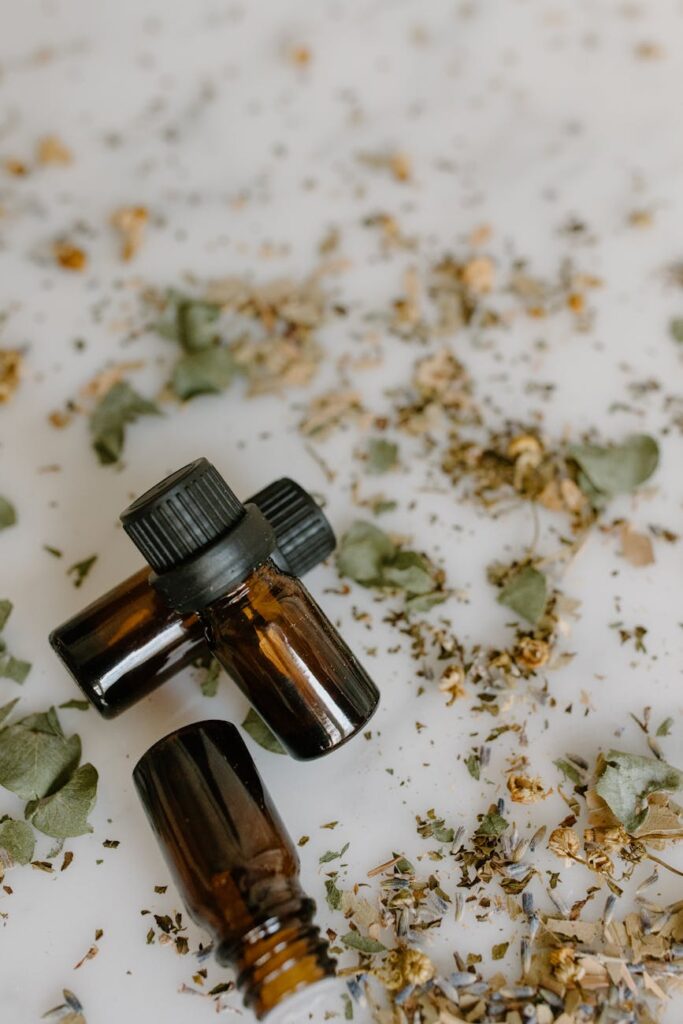
- Essential Oils: Store essential oils in dark glass bottles to protect them from light, which can degrade their quality. Keep them in a cool, dry place away from direct sunlight and heat sources.
- Herbal Preparations: Store dried herbs and powders in airtight containers in a cool, dark location to prevent moisture and light exposure, which can diminish potency.
- Resins: Keep resin products in airtight containers to maintain their aroma and therapeutic properties.
Aromatherapy Applications
Aromatherapy, the practice of using essential oils for therapeutic benefit, often incorporates the oils derived from medicinal trees. Here are some common applications:
1. Diffusion: Essential oils from medicinal trees can be diffused in a room to create a calming or invigorating atmosphere. Oils such as Cedarwood and Frankincense are often utilized for their grounding and meditative qualities.
2. Topical Application: When diluted with a carrier oil, essential oils can be applied to the skin for localized benefits. For instance, Tea tree oil can be used to treat minor skin irritations.
3. Baths: Adding a few drops of essential oil from medicinal trees to bathwater can enhance relaxation. Eucalyptus oil is popular for its refreshing scent and potential respiratory support.
4. Inhalation: Inhaling the aroma of essential oils directly from the bottle or through steam inhalation can provide immediate benefits. Peppermint oil, derived from a plant rather than a tree, is often used this way to promote clarity and focus.
5. Massage: Blending essential oils with a carrier oil for massage can enhance relaxation and relieve tension. Oils like Lavender and Frankincense are commonly used for their soothing properties.
Safety Considerations
While medicinal trees are natural, it is essential to approach their use with care:
Storage and Shelf Life
Proper storage of medicinal tree products is crucial for maintaining their quality and efficacy:
The shelf life of essential oils varies but typically ranges from 1 to 3 years, depending on the oil’s chemical composition and storage conditions. Herbal preparations may have a shorter shelf life, generally lasting 1 to 2 years, while resins can last longer if stored properly.
Frequently Asked Questions
1. What are the most commonly used medicinal trees?
Some commonly used medicinal trees include the Neem tree, Tea tree, Eucalyptus, Frankincense tree, and Moringa. Each of these trees has unique properties that make them valuable in traditional and modern herbal practices.
2. Are there any side effects associated with using medicinal trees?
While many medicinal trees are safe for use, potential side effects can occur, especially if used improperly. Always consult with a healthcare professional and conduct patch tests for topical applications.
3. Can I use essential oils from medicinal trees in cooking?
While some essential oils can be used in cooking, not all are safe for ingestion. Always ensure that the essential oil is food-grade and consult with a knowledgeable professional before consuming essential oils.
4. How can I learn more about specific medicinal trees?
To learn more about specific medicinal trees, consider consulting botanical encyclopedias, herbal medicine books, or online resources from reputable organizations focused on herbalism and natural medicine.
In conclusion, the world of medicinal trees is vast and rich, offering a plethora of benefits and applications. By understanding their properties and how to use them safely, individuals can incorporate these natural wonders into their health and wellness routines.