
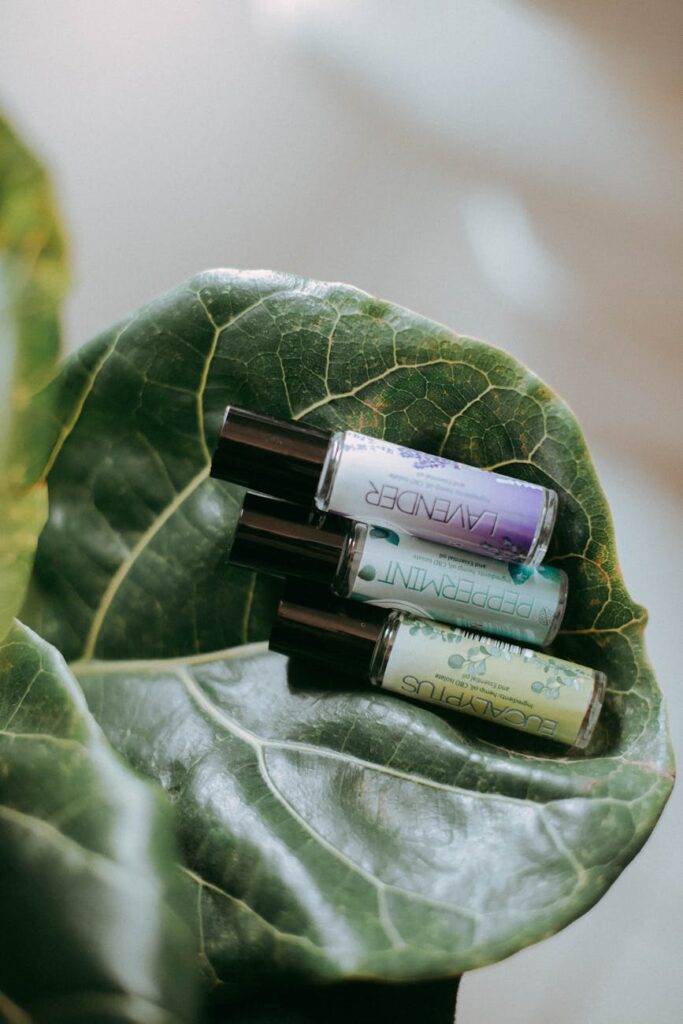
How to Use Meditative Essential Oil Blends
Introduction
The use of essential oils has gained popularity over the years, particularly in the realm of wellness and self-care. Among the various applications of these fragrant extracts, meditative essential oil blends have emerged as a powerful tool for enhancing relaxation, focus, and overall emotional well-being. This article delves into the world of meditative essential oil blends, exploring their composition, benefits, common uses, and guidelines for safe application.
What Are Meditative Essential Oil Blends?
Meditative essential oil blends are carefully crafted combinations of essential oils aimed at promoting tranquility and mindfulness. These blends typically incorporate oils known for their calming, uplifting, or grounding properties. Common ingredients may include lavender, frankincense, sandalwood, bergamot, and chamomile. Each essential oil contributes unique characteristics, making the blend effective for various meditative practices such as yoga, mindfulness, or deep breathing exercises.
Key Benefits and Properties
Emotional Balance
The primary benefit of meditative essential oil blends is their ability to foster emotional balance. Many essential oils used in these blends are renowned for their calming effects, helping to reduce feelings of anxiety, stress, and restlessness.
Enhanced Focus
Certain essential oils, such as rosemary and citrus oils, can help enhance mental clarity and focus. When used in meditation, these oils can assist practitioners in maintaining concentration and reducing distractions.
Stress Relief
Meditative blends often contain oils known for their stress-relieving properties. These oils can promote relaxation, making it easier for individuals to unwind and enter a meditative state.
Grounding Effect
Many meditative blends include grounding essential oils like vetiver and patchouli. These oils can help individuals feel more centered and connected to their surroundings, enhancing the overall meditation experience.
Common Uses
Meditative essential oil blends can be used in a variety of ways, depending on personal preferences and circumstances. Here are some common applications:
Diffusion
One of the most popular methods of utilizing essential oil blends is through diffusion. A diffuser disperses the essential oils into the air, creating a fragrant environment conducive to meditation. This method allows for the benefits of the oils to be inhaled, promoting relaxation and focus.
Topical Application
Many individuals choose to apply essential oil blends directly to the skin, often after dilution with a carrier oil. This method can enhance the aromatic experience and provide localized benefits. Areas commonly targeted for application include the wrists, neck, and temples.
Bathing
Adding meditative essential oil blends to a warm bath can create a soothing atmosphere. The warmth of the water helps to disperse the oils, allowing for an enveloping and aromatic experience that promotes relaxation.
Meditation Practices
Incorporating essential oils directly into meditation practices can deepen the experience. This may include inhaling the aroma from a bottle, using a personal inhaler, or creating a ritual that involves anointing oneself with the oils before beginning meditation.
Aromatherapy Applications
Personal Inhalers
Personal inhalers can be a convenient way to carry essential oil blends for on-the-go meditation. By inhaling the aroma directly from the inhaler, individuals can quickly access the calming effects of the oils, even in stressful situations.
Massage
Incorporating essential oils into massage can enhance the relaxation experience. When combined with a carrier oil, meditative blends can be used during a massage to promote both physical and emotional well-being.
Room Sprays
Creating a room spray with meditative essential oil blends offers a simple way to enhance the atmosphere of a space. By mixing essential oils with water and a dispersant, individuals can create a calming environment conducive to meditation or relaxation.
Candles and Incense
Using candles or incense infused with meditative essential oils can also help set the mood for meditation. The gentle flicker of candlelight or the soft burn of incense can enhance the meditative experience.
Safety Considerations
While essential oils are generally safe for use, certain precautions should be taken:
Dilution
Essential oils are highly concentrated and should always be diluted with a carrier oil before topical application. Common carrier oils include coconut, jojoba, and sweet almond oil.
Skin Sensitivity
Some individuals may have sensitivities or allergic reactions to certain essential oils. It is advisable to perform a patch test by applying a diluted mixture to a small area of skin before using it more broadly.
Avoiding Ingestion
Essential oils should not be ingested unless under the guidance of a qualified professional. Ingestion can lead to adverse effects, and not all essential oils are safe for internal use.
Pregnant or Nursing Individuals
Pregnant or nursing individuals should consult with a healthcare provider before using essential oils, as some oils may not be suitable during these periods.
Children and Pets
Care should be taken when using essential oils around children and pets. Always research the safety of specific oils before introducing them into a household with animals or young children.
Storage and Shelf Life
Proper storage is crucial for maintaining the efficacy of essential oils. Here are some guidelines:
Storage Conditions
Essential oils should be stored in dark glass bottles to protect them from light, which can degrade their quality. They should be kept in a cool, dry place away from direct sunlight and heat sources.
Shelf Life
The shelf life of essential oils can vary based on the type of oil and storage conditions. Generally, most essential oils last between three to five years, while citrus oils may have a shorter shelf life. Always check for any changes in aroma or consistency before use.
Frequently Asked Questions
Can I create my own meditative essential oil blend?
Yes, creating your own blend can be a rewarding experience. Start by selecting a few essential oils known for their calming properties. Experiment with different proportions until you find a blend that resonates with you.
How often should I use meditative essential oil blends?
The frequency of use depends on individual preference. Many people find that using the blends daily enhances their meditation practice, while others might use them as needed during stressful situations.
Are there any contraindications for certain essential oils?
Yes, certain essential oils may interact negatively with medications or have contraindications for specific health conditions. Always conduct thorough research or consult with a qualified professional before use.
Can I use meditative essential oil blends in a diffuser while sleeping?
Using a diffuser with meditative essential oil blends during sleep can be beneficial for creating a calming atmosphere. However, it is advisable to use the diffuser for a limited time to avoid overwhelming scents that might interrupt sleep.
Conclusion
Meditative essential oil blends offer a multifaceted approach to enhancing relaxation, focus, and emotional well-being. By understanding their benefits, applications, and safety considerations, individuals can effectively incorporate these aromatic blends into their daily routines. Whether you are an experienced practitioner or new to the world of aromatherapy, exploring meditative essential oil blends can enrich your journey toward mindfulness and tranquility.