
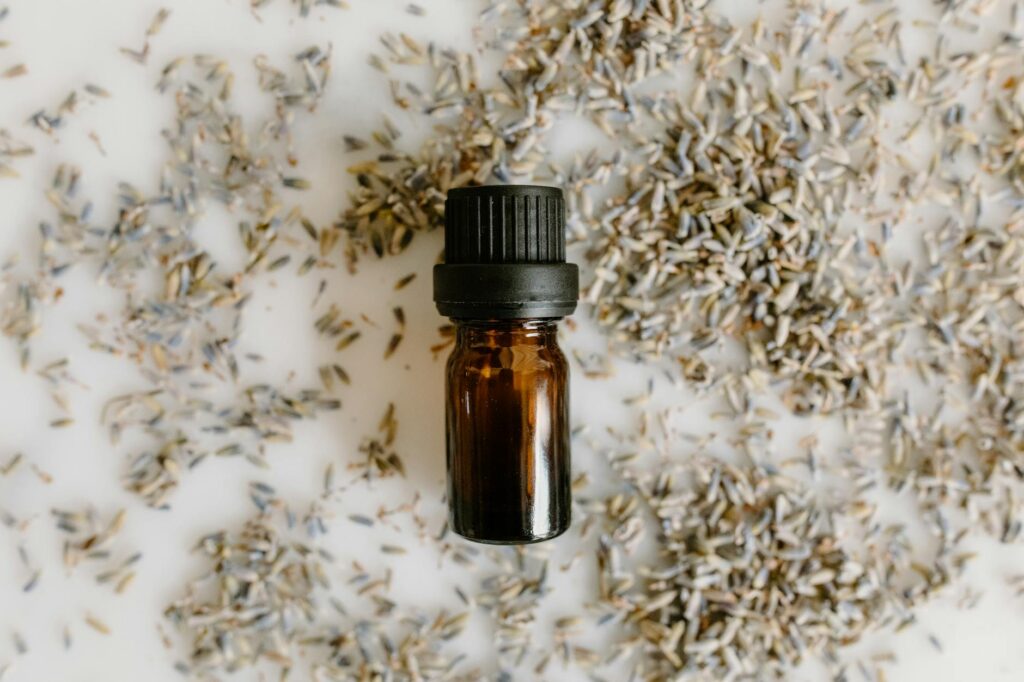
How to Use Milk Thistle Seed Extract
Introduction
Milk thistle, scientifically known as Silybum marianum, is a flowering herb belonging to the Asteraceae family. Renowned for its striking purple flowers and unique white-veined leaves, milk thistle has been cultivated for centuries, primarily for its medicinal properties. The extract derived from its seeds has gained significant attention in the wellness community, particularly in the realms of herbal medicine and aromatherapy. This article delves into the various aspects of milk thistle seed extract, covering its benefits, applications, and considerations for safe use.
What Is Milk Thistle Seed Extract?
Milk thistle seed extract is derived from the seeds of the milk thistle plant. The seeds contain a complex mixture of flavonoids, with silymarin being the most notable component. Silymarin is a group of compounds known for their antioxidant properties and potential health benefits. Typically, milk thistle seed extract is available in liquid form, capsules, or as a powder, making it versatile for various applications.
The extraction process often involves soaking the seeds in alcohol or another solvent to isolate the active compounds. The resulting extract can be concentrated, providing a more potent dose of the beneficial properties associated with milk thistle.
Key Benefits and Properties
Milk thistle seed extract is celebrated for several potential benefits, largely attributed to its active compounds:
Antioxidant Properties
Silymarin is well-regarded for its antioxidant effects, which help neutralize harmful free radicals in the body. This property may contribute to cellular protection and overall health.
Liver Support
Traditionally, milk thistle has been used to support liver health. While scientific research is ongoing, some studies suggest that silymarin may help protect the liver from toxins and support its regenerative processes.
Anti-Inflammatory Effects
The compounds found in milk thistle seed extract may possess anti-inflammatory properties, which can help reduce inflammation in various parts of the body.
Skin Health
Milk thistle seed extract is often included in skincare formulations due to its potential benefits for the skin. Its antioxidant properties may aid in protecting the skin from environmental stressors.
Digestive Support
Some users of milk thistle seed extract report improved digestion and liver function, contributing to a more balanced digestive system.
Common Uses
Milk thistle seed extract is utilized in various settings, including dietary supplements, skincare products, and herbal remedies. Its versatility makes it appealing for different applications:
Dietary Supplements
Many people take milk thistle seed extract as a dietary supplement to promote liver health and overall wellness. It is available in various forms, including capsules, liquid extracts, and powders.
Skincare Products
Due to its antioxidant and anti-inflammatory properties, milk thistle seed extract is commonly found in topical formulations aimed at enhancing skin health. It can be found in serums, creams, and lotions.
Herbal Teas and Tinctures
Milk thistle can also be consumed as an herbal tea or tincture, allowing users to enjoy its benefits in a more traditional manner.
Aromatherapy Applications
In the field of aromatherapy, milk thistle seed extract is not typically used as an essential oil. However, its properties can be incorporated into aromatherapy practices in various ways:
Blending with Essential Oils
Though milk thistle seed extract itself is not an essential oil, it can be blended with other oils in a carrier base to create a synergistic blend. For instance, combining milk thistle extract with essential oils like lavender or chamomile may enhance relaxation and promote skin health.
Skin Care in Aromatherapy
Aromatherapy practitioners may incorporate milk thistle seed extract into their skincare routines. When diluted with a carrier oil, it can be applied topically to nourish the skin and address specific skin concerns.
Inhalation and Diffusion
While milk thistle seed extract is not suitable for diffusion, the calming effects of other essential oils combined with its potential benefits can create a soothing atmosphere when used in personal care products.
Safety Considerations
While milk thistle seed extract is generally considered safe for most people, there are several factors to consider before using it:
Allergic Reactions
Individuals who are allergic to plants in the Asteraceae family, such as ragweed, chrysanthemums, or marigolds, should exercise caution when using milk thistle. Allergic reactions, though rare, can occur.
Medication Interactions
Milk thistle may interact with certain medications, particularly those metabolized by the liver. It’s essential to consult with a healthcare professional before beginning any new supplement, especially if you are on medication or have underlying health conditions.
Dosage and Administration
It is important to follow the recommended dosages provided on supplement labels or by a qualified professional. Overconsumption can lead to digestive discomfort or other adverse effects.
Not for Everyone
Pregnant or breastfeeding individuals should consult a healthcare provider before using milk thistle seed extract, as its safety in these populations has not been fully established.
Storage and Shelf Life
Proper storage is crucial for maintaining the potency and effectiveness of milk thistle seed extract:
Storage Guidelines
- Cool, Dry Place: Store the extract in a cool, dry area away from direct sunlight and moisture.
- Tightly Sealed: Ensure that the container is tightly sealed to prevent contamination and moisture absorption.
- Refrigeration: Some liquid extracts may benefit from refrigeration, but this is not always necessary. Check the specific product label for storage recommendations.
Shelf Life
The shelf life of milk thistle seed extract can vary based on the form and formulation. Generally, liquid extracts may last up to 1-2 years if stored properly, while capsules and powders can have similar or longer shelf lives. Always check the expiration date provided by the manufacturer.
Frequently Asked Questions
1. How do I take milk thistle seed extract?
Milk thistle seed extract can be taken in various forms, including capsules, liquid extracts, or powders. Follow the dosage instructions provided on the product label or consult a healthcare professional for personalized advice.
2. Can milk thistle seed extract be used on the skin?
Yes, milk thistle seed extract is often included in skincare products for its potential antioxidant and anti-inflammatory benefits. It can also be diluted with a carrier oil for topical application.
3. Is milk thistle seed extract safe for everyone?
While generally safe for most individuals, those with allergies to plants in the Asteraceae family or those taking specific medications should consult a healthcare professional before use. Pregnant and breastfeeding women should also seek advice.
4. How long does it take to see results from milk thistle seed extract?
The time it takes to notice benefits can vary based on individual factors and the specific health goals. Consistent use over several weeks may be necessary to observe results.
5. Can I combine milk thistle seed extract with other supplements?
While milk thistle can often be safely combined with other supplements, it is wise to consult with a healthcare professional, especially if you are taking other medications.
Conclusion
Milk thistle seed extract is a valuable herbal remedy that has garnered interest for its potential health benefits, particularly in supporting liver health and skin wellness. While it offers various applications in dietary supplements and skincare, it is essential to approach its use with an understanding of safety considerations and proper storage. By integrating milk thistle seed extract thoughtfully into your wellness routine, you can explore its benefits while prioritizing health and safety. Always consult with a qualified professional for tailored advice regarding its use.