
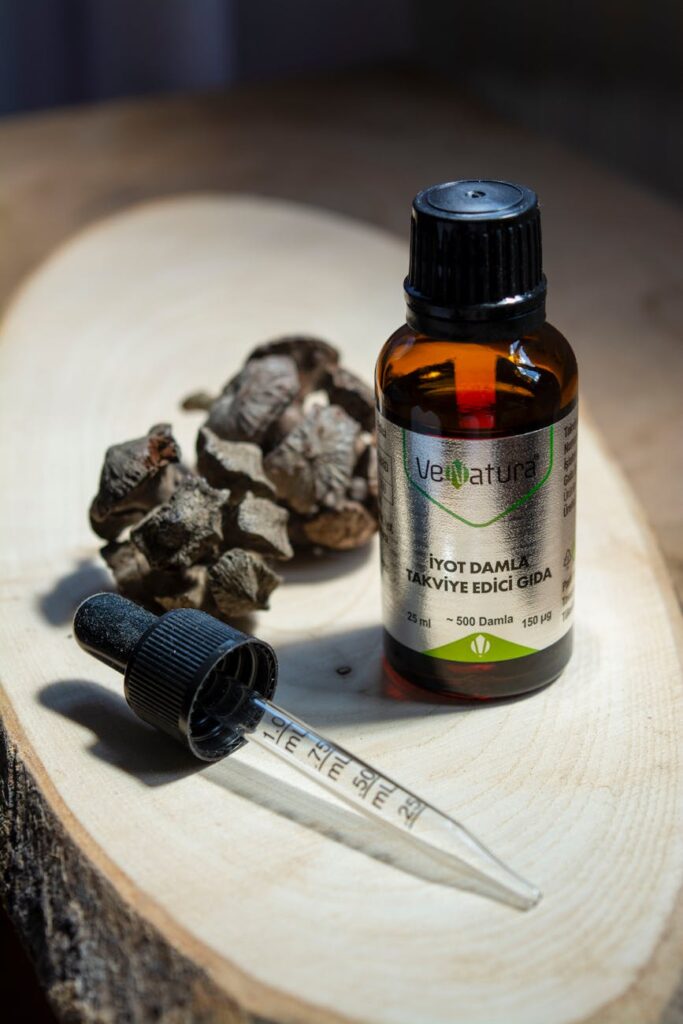
How to Use Mistletoe Extract
Introduction
Mistletoe, a plant often associated with holiday traditions, has a rich history in herbal medicine and folklore. Its extract is derived from the leaves and stems of various species of mistletoe, primarily Viscum album (European mistletoe) and Phoradendron spp. (American mistletoe). This article aims to provide a comprehensive overview of mistletoe extract, including its benefits, common uses, and applications, particularly in the realm of aromatherapy.
What Is Mistletoe Extract?
Mistletoe extract is a concentrated liquid derived from the mistletoe plant, which is a semi-parasitic plant that grows on trees and shrubs. The extract is typically obtained through a process of maceration or infusion, where the plant material is steeped in a solvent, often alcohol or glycerin, to extract its beneficial compounds.
Mistletoe contains a variety of active constituents, including flavonoids, viscotoxin, and polysaccharides. These compounds contribute to its unique properties and potential uses. The extract can vary in composition depending on the species of mistletoe and the method of extraction used.
Key Benefits and Properties
Mistletoe extract is recognized for several beneficial properties, including:
1. Antioxidant Properties: The flavonoids found in mistletoe contribute to its antioxidant capabilities, helping to combat oxidative stress in cells.
2. Immune Support: Mistletoe has been traditionally used to support the immune system, though scientific validation is ongoing.
3. Calming Effects: Some studies suggest that mistletoe extract may have mild sedative effects, potentially aiding in relaxation and stress relief.
4. Circulatory Benefits: Mistletoe is thought to promote circulation, which may help in overall vitality and energy levels.
5. Support for Healthy Blood Pressure: Some anecdotal evidence suggests that mistletoe may have a role in maintaining healthy blood pressure, though more research is needed in this area.
Common Uses
Mistletoe extract is utilized in various forms and applications, including:
- Herbal Supplements: Available in capsules, tinctures, and liquid extracts, mistletoe is often consumed as a supplement to support general wellness.
- Topical Applications: The extract can be used in creams and ointments, making it suitable for applications aimed at skin health.
- Culinary Uses: While not common, mistletoe has been used in some traditional dishes and beverages.
- Cosmetic Products: Due to its antioxidant properties, mistletoe extract is sometimes included in skincare formulations.
- Consultation: Always consult with a qualified herbalist or healthcare professional before starting any new herbal regimen, particularly if you are pregnant, nursing, or taking medications.
- Allergic Reactions: Some individuals may experience allergic reactions to mistletoe. A patch test is recommended when using it topically for the first time.
- Dosage: Adhere to recommended dosages, especially in supplement form, as excessive consumption of mistletoe can lead to adverse effects.
- Species Variability: Different species of mistletoe may have varying properties and potential toxicity. Ensure that the extract is sourced from a reputable supplier and is appropriate for use.
- Cool, Dark Place: Store the extract in a cool, dark place away from direct sunlight to prevent degradation.
- Tightly Sealed Containers: Keep the extract in tightly sealed containers to minimize exposure to air and moisture.
- Shelf Life: The shelf life of mistletoe extract can vary depending on the formulation and preservatives used. Typically, it lasts for 1-2 years when stored properly. Always check for any signs of spoilage or changes in color and odor before use.
Aromatherapy Applications
In the context of aromatherapy, mistletoe extract can be incorporated in various ways:
1. Diffusion
Mistletoe extract can be diluted with a carrier oil and used in a diffuser. The gentle aroma may promote a calming atmosphere, making it ideal for relaxation during holiday gatherings or quiet evenings.
2. Massage Oil
When blended with a carrier oil, such as jojoba or sweet almond oil, mistletoe extract can be used in massage therapy. The extract’s properties may enhance the experience by promoting relaxation and well-being.
3. Bath Additive
Adding a few drops of mistletoe extract to a warm bath can create a soothing environment. This practice may help in relieving tension and promoting a sense of tranquility.
4. Inhalation
Inhalation of mistletoe extract can be accomplished by adding it to a bowl of hot water or using a steam inhalation method. This can help in creating a calming atmosphere while potentially benefiting emotional well-being.
5. Blending with Essential Oils
Mistletoe extract can be blended with other essential oils such as lavender or chamomile to enhance its relaxing effects. This combination can be used in a variety of aromatherapy applications.
Safety Considerations
While mistletoe extract is generally considered safe when used appropriately, there are several important safety considerations to keep in mind:
Storage and Shelf Life
Proper storage of mistletoe extract is essential to maintain its integrity and effectiveness:
Frequently Asked Questions
1. Is mistletoe extract safe for everyone?
While generally safe for most individuals, it is important to consult with a healthcare professional before use, particularly if you have underlying health conditions or are pregnant or breastfeeding.
2. Can mistletoe extract be used in cooking?
Mistletoe extract is not commonly used in cooking, and caution should be exercised as certain parts of the plant can be toxic. It is best to consume mistletoe in supplement form or as advised by a qualified herbalist.
3. How does mistletoe extract compare to essential oils?
Mistletoe extract is different from essential oils; it is a liquid extract containing various compounds, whereas essential oils are concentrated volatile compounds extracted from plants. Both have distinct uses and applications in aromatherapy.
4. Can mistletoe extract help with stress relief?
While some users report a calming effect when using mistletoe extract, individual responses may vary. Aromatherapy practices, including the use of mistletoe, can contribute to an overall sense of well-being.
5. Where can I purchase mistletoe extract?
Mistletoe extract can be found in health food stores, herbal shops, and online retailers. Ensure that you choose a reputable supplier to guarantee quality and safety.
Conclusion
Mistletoe extract is a versatile herbal product with a variety of uses ranging from culinary applications to aromatherapy. Its unique properties, combined with its rich history, make it an intriguing addition to the world of herbal remedies. As with any herbal product, it is crucial to approach its use with awareness and respect, ensuring safety and efficacy by consulting with healthcare professionals when necessary. With proper care and understanding, mistletoe extract can be a valuable component of holistic wellness practices.