
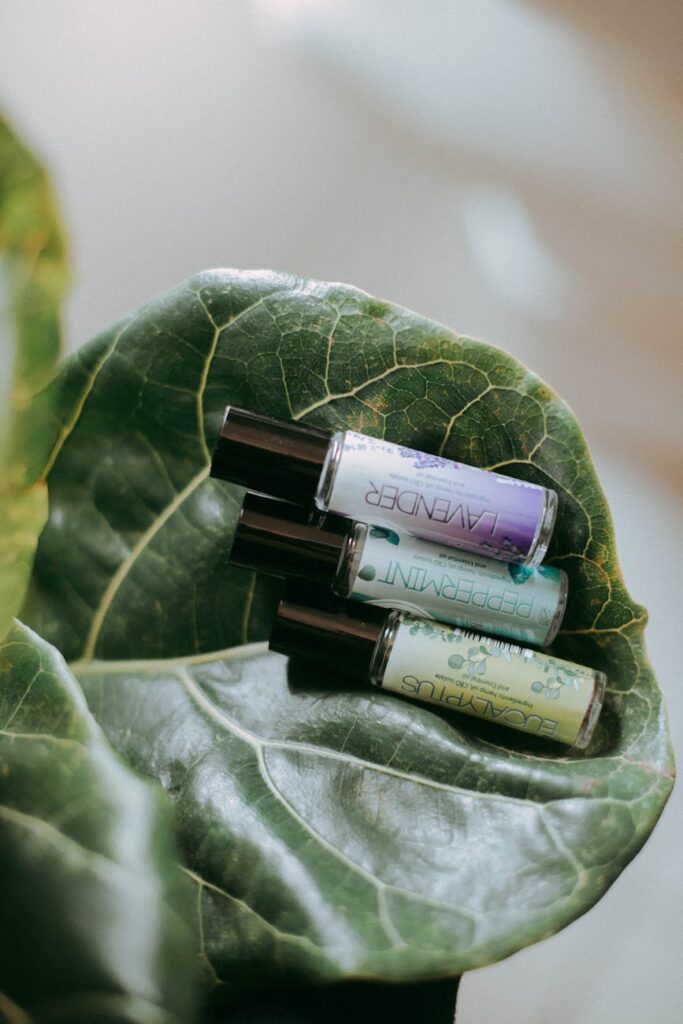
How to Use Mood Enhancing Blends
Introduction
The pursuit of emotional balance and well-being has led many to explore natural remedies that can enhance mood and promote a sense of tranquility. Among these remedies, essential oils and aromatherapy have gained significant popularity for their ability to influence mood through scent. This article explores mood-enhancing blends, detailing their composition, benefits, applications, and safety considerations.
What Is Mood Enhancing Blends?
Mood-enhancing blends are combinations of essential oils specifically selected for their uplifting and calming properties. These blends may include a variety of aromatic compounds that can stimulate the brain’s limbic system, which is responsible for emotions and memories. Common essential oils used in these blends include lavender, bergamot, citrus oils (like orange and lemon), and ylang-ylang. Each oil contributes its unique profile to the blend, working synergistically to create an overall effect that can improve mood and promote relaxation.
Key Benefits and Properties
Mood-enhancing blends offer several benefits:
1. Stress Relief: Many essential oils possess calming properties that can help reduce feelings of anxiety and stress. For example, lavender oil is renowned for its ability to promote relaxation.
2. Enhanced Mood: Citrus oils like bergamot and lemon are known to lift spirits and create a sense of joy. Their refreshing scents can evoke positive feelings and enhance overall well-being.
3. Improved Focus: Certain blends can help clear the mind and enhance concentration. Peppermint and rosemary oils are often included for their stimulating properties.
4. Emotional Balance: Oils such as geranium and ylang-ylang are believed to help balance emotions, making them valuable in addressing mood swings and emotional turbulence.
5. Physical Relaxation: Some blends not only enhance mood but also promote physical relaxation, helping to ease tension in both the mind and body.
Common Uses
Mood-enhancing blends can be utilized in various ways, including:
1. Diffusion
Using an essential oil diffuser is one of the most popular methods to disperse aromatic compounds into the air. A few drops of a mood-enhancing blend in a diffuser can create a calming atmosphere in any room.
2. Topical Application
Diluting essential oils in carrier oils (like coconut or jojoba oil) allows for safe topical application. This method can be particularly effective for localized stress relief or relaxation during massage.
3. Bathing
Adding mood-enhancing blends to bathwater can create a soothing experience. The warm water enhances the oils’ scent and provides a relaxing environment.
4. Inhalation
Simply inhaling the scent of essential oils directly from the bottle or from a cotton ball can provide an immediate boost to mood.
5. Aromatherapy Jewelry
Wearing jewelry designed to hold essential oils, such as necklaces or bracelets, allows for continuous aromatic benefits throughout the day.
Aromatherapy Applications
When utilizing mood-enhancing blends, the following applications can enhance their effectiveness:
1. Morning Routine
Incorporating mood-enhancing blends into your morning routine can set a positive tone for the day. A citrus-based blend can invigorate and energize.
2. Work Environment
Using a diffuser or personal inhaler at work can help maintain focus and reduce stress, leading to increased productivity.
3. Evening Relaxation
In the evening, a calming blend with lavender or chamomile can help wind down after a long day, promoting relaxation and better sleep.
4. Meditation and Yoga
Integrating mood-enhancing blends into meditation or yoga practice can deepen relaxation and enhance the overall experience.
Safety Considerations
While essential oils are often considered safe when used properly, there are important safety considerations to keep in mind:
1. Dilution
Always dilute essential oils with a carrier oil before applying them to the skin. A common dilution ratio is 2-3 drops of essential oil per teaspoon of carrier oil.
2. Sensitivity Testing
It is advisable to conduct a patch test before using a new essential oil blend on the skin. Apply a small amount of diluted oil to a discreet area and wait 24 hours to check for any adverse reactions.
3. Avoiding Sensitive Areas
Avoid applying essential oils to sensitive areas, such as the eyes and mucous membranes, and do not ingest essential oils unless under the guidance of a qualified professional.
4. Pregnancy and Medical Conditions
Individuals who are pregnant, nursing, or have medical conditions should consult with a healthcare professional before using essential oils.
5. Children and Pets
Certain essential oils are not suitable for children or pets. Research and select age-appropriate or pet-safe oils when using in households with these populations.
Storage and Shelf Life
Proper storage of essential oils is crucial for maintaining their potency and effectiveness. Here are some guidelines:
1. Dark Glass Containers
Essential oils should be stored in dark glass bottles to protect them from light, which can degrade their quality over time.
2. Cool Environment
Keep essential oils in a cool, dry place, away from direct sunlight and heat sources. High temperatures can compromise their integrity.
3. Shelf Life
Most essential oils have a shelf life of 1 to 3 years, depending on the type of oil and how it is stored. Citrus oils tend to have a shorter shelf life compared to woods and resins.
Frequently Asked Questions
1. Can I create my own mood-enhancing blend?
Yes, you can create your own blend by combining essential oils that resonate with your personal preferences. Start with a base oil and gradually add other scents until you find a combination that you enjoy.
2. How often can I use mood-enhancing blends?
Mood-enhancing blends can be used multiple times throughout the day, depending on the method of application. For instance, diffusing can be done continuously, while topical applications should be limited according to skin sensitivity.
3. Are mood-enhancing blends suitable for everyone?
While many people can benefit from mood-enhancing blends, individual sensitivities and preferences vary. It’s important to start with small amounts and observe how your body reacts.
4. What if I don’t like the scent of a particular oil?
Aromatherapy is highly personal. If you find a particular scent unappealing, try other oils that may have similar properties but differ in aroma. Experimenting with different blends can help you discover what works best for you.
5. Can mood-enhancing blends replace traditional treatments for mood disorders?
Mood-enhancing blends can complement overall well-being but should not replace professional medical treatment for mood disorders. Always consult with healthcare professionals for comprehensive care.
Conclusion
Mood-enhancing blends offer a natural and aromatic way to support emotional well-being. By understanding their properties, common uses, and safety considerations, individuals can effectively incorporate these blends into their daily routines. Whether through diffusion, topical application, or bathing, the potential benefits of essential oils can enrich everyday life, promoting a sense of calm and joy. As always, it is essential to approach their use with mindfulness and care, ensuring a safe and enjoyable experience.