
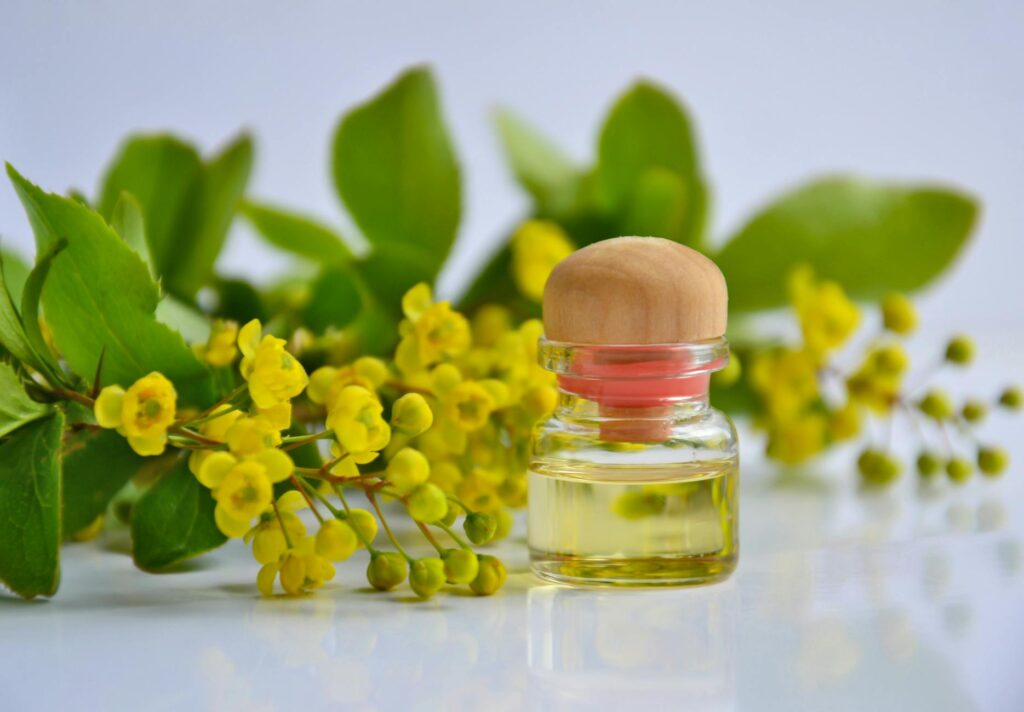
How to Use Myrrh Oil Safely
Introduction
Myrrh oil, derived from the resin of the Commiphora myrrha tree, has been cherished for thousands of years for its aromatic qualities and potential therapeutic benefits. Commonly used in traditional medicine, incense, and perfumery, myrrh oil is an essential oil that holds a special place in aromatherapy and holistic practices. Despite its many benefits, using myrrh oil safely is crucial for maximizing its advantages while minimizing potential risks. This article will explore the safety considerations, benefits, and various applications of myrrh oil.
What Is Myrrh Oil Safety?
Myrrh oil safety refers to the careful and informed use of myrrh essential oil to avoid adverse effects. Essential oils can be potent and may cause irritation or allergic reactions if not used correctly. Understanding the oil’s characteristics, potential interactions, and appropriate usage guidelines is essential for anyone looking to incorporate myrrh oil into their wellness routine.
Key Benefits and Properties
Myrrh oil is rich in various compounds that contribute to its unique properties. Some of the key components include:
- Sesquiterpenes: Known for their anti-inflammatory and analgesic properties.
- Caryophyllene: Exhibits potential anti-anxiety and anti-depressant effects.
- Alpha-pinene: May support respiratory health and act as a natural decongestant.
- Topical Applications: Often diluted with a carrier oil and applied to the skin for its soothing properties.
- Aromatherapy Diffusion: Used in diffusers to create a calming atmosphere.
- Baths: Added to bathwater for a relaxing soak.
- Incense and Spiritual Practices: Used in rituals and meditation for its grounding effects.
- Method: Add a few drops of myrrh oil to a diffuser filled with water.
- Benefits: Inhalation of the oil’s aroma can promote relaxation and reduce anxiety.
- Method: Mix myrrh oil with a carrier oil, such as jojoba or sweet almond oil, before applying it to the skin.
- Benefits: This application can enhance relaxation during massage and may help alleviate tension.
- Method: Place a drop of myrrh oil on a cotton ball and inhale it directly or add it to a steaming bowl of water for steam inhalation.
- Benefits: Inhalation may support respiratory health and provide emotional grounding.
- Dilution: Always dilute myrrh oil with a carrier oil before applying it to the skin to prevent irritation. A common ratio is 2-3 drops of essential oil per tablespoon of carrier oil.
- Patch Test: Conduct a patch test before using myrrh oil widely on the skin. Apply a small amount of diluted oil to a discreet area and wait 24 hours to check for any allergic reactions.
- Awareness: Some individuals may be allergic to myrrh oil. Symptoms can include rashes, itching, or swelling. Discontinue use immediately if any adverse effects occur.
- Consultation: Individuals with known allergies or sensitivities should consult a healthcare professional before using essential oils.
- Caution Advised: Pregnant or nursing women should exercise caution when using myrrh oil. The effects on fetal and nursing health are not fully understood, so it is advisable to consult a healthcare provider.
- Consultation Recommended: Myrrh oil may interact with certain medications, particularly those affecting blood sugar levels and blood pressure. If you are taking any medications, consult a healthcare professional before using myrrh oil.
- Container: Store myrrh oil in a dark glass bottle to protect it from light exposure.
- Environment: Keep it in a cool, dry place, away from direct sunlight and heat sources.
- Shelf Life: When stored correctly, myrrh oil typically has a shelf life of 3 to 5 years. However, it is advisable to check for any changes in aroma or appearance before use.
Potential Benefits
1. Anti-inflammatory: Myrrh oil may help reduce inflammation when applied topically or inhaled.
2. Antimicrobial: The oil has been studied for its potential to combat certain bacteria and fungi.
3. Aromatherapy: The rich, earthy scent of myrrh is often used to promote relaxation and reduce stress.
While these benefits are widely reported, it is important to note that individual experiences may vary, and scientific research is ongoing.
Common Uses
Myrrh oil is versatile and can be utilized in various ways, including:
Aromatherapy Applications
In aromatherapy, myrrh oil is recognized for its grounding and centering qualities. Its deep, warm scent can contribute to emotional balance and mental clarity. Here are some common ways to incorporate myrrh oil into your aromatherapy practice:
Diffusion
Massage
Inhalation
Safety Considerations
Despite its numerous benefits, safety is paramount when using myrrh oil. Here are several important considerations:
Skin Sensitivity
Allergic Reactions
Pregnancy and Nursing
Interactions with Medications
Storage and Shelf Life
Proper storage of myrrh oil is essential to maintain its potency and effectiveness. Here are some guidelines:
Frequently Asked Questions
Can I use myrrh oil for skincare?
Myrrh oil is often used in skincare products due to its potential antimicrobial and anti-inflammatory properties. However, it should be diluted properly before application to avoid skin irritation.
Is myrrh oil safe for children?
Myrrh oil should be used cautiously around children. It is essential to consult a healthcare professional for guidance on safe usage in children.
Can I ingest myrrh oil?
Ingestion of essential oils is a controversial topic and should only be done under the supervision of a qualified healthcare professional. Ingesting myrrh oil without guidance may lead to adverse effects.
How can I incorporate myrrh oil into my meditation practice?
You can diffuse myrrh oil or apply it to your pulse points before meditation to enhance your experience. Its grounding scent may help promote a deeper state of relaxation.
What should I do if I experience an adverse reaction?
If you experience any adverse reactions after using myrrh oil, discontinue use immediately and consult a healthcare professional if necessary. Keep track of any symptoms to provide accurate information to the healthcare provider.
Conclusion
Myrrh oil is a multifaceted essential oil with a rich history and a variety of potential benefits. Understanding how to use myrrh oil safely is crucial for harnessing its advantages while minimizing risks. By adhering to safety guidelines, conducting patch tests, and consulting healthcare professionals when necessary, you can enjoy the aromatic and therapeutic properties of myrrh oil in a safe and informed manner. Whether through aromatherapy, skincare, or spiritual practices, myrrh oil can be a valuable addition to your wellness toolkit.