
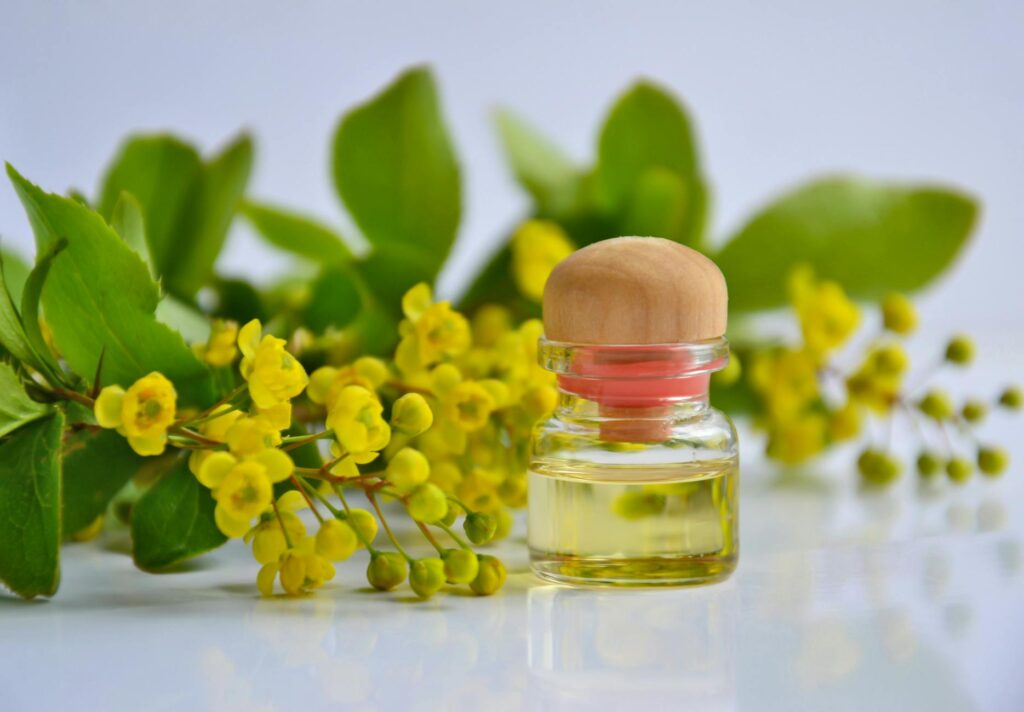
How to Use Myrrh Oil
Introduction
Myrrh oil, derived from the resin of the Commiphora myrrha tree, has been utilized for centuries in various cultures for its aromatic properties and potential benefits. This essential oil has deep historical roots, serving not only as a perfume and incense but also as a part of traditional practices in health and wellness. In this article, we will explore what myrrh oil is, its key benefits and properties, common uses, applications in aromatherapy, safety considerations, storage recommendations, and address some frequently asked questions.
What Is Myrrh Oil?
Myrrh oil is an essential oil extracted from the sap of the myrrh tree, which is native to the regions of the Arabian Peninsula and northeastern Africa. The extraction process typically involves steam distillation of the resin, resulting in a thick, amber-hued oil with a warm, earthy aroma. This oil has a long history of use in ancient civilizations, often valued for its fragrance as well as its potential therapeutic properties.
The myrrh tree itself is a small, thorny shrub that can grow up to 5 meters tall. The resin is harvested by making incisions in the bark, allowing the sap to ooze out and harden into resinous droplets. Once collected, the resin can be distilled to produce myrrh oil, which is characterized by its rich, balsamic scent.
Key Benefits and Properties
Myrrh oil is celebrated for a variety of beneficial properties, including:
1. Antimicrobial: Myrrh oil has been found to possess antimicrobial properties, which may help protect against certain bacteria and fungi.
2. Anti-inflammatory: The oil is often noted for its potential anti-inflammatory effects, which may support overall skin health and comfort.
3. Antioxidant: Myrrh oil contains compounds that may act as antioxidants, helping to neutralize free radicals in the body.
4. Relaxing and Calming: The rich, warm scent of myrrh oil may promote relaxation and help reduce feelings of anxiety and stress.
5. Skin Health: Traditionally, myrrh oil has been used to support skin health and may be beneficial for dry or irritated skin.
Common Uses
Myrrh oil has a wide range of applications, both in everyday life and in more specialized practices:
1. Skin Care: Due to its potential skin-soothing properties, myrrh oil is often used in skincare formulations, including creams and balms for dry or cracked skin.
2. Perfume and Incense: The aromatic qualities of myrrh make it a popular choice for natural perfumes and incense, particularly in spiritual or meditative practices.
3. Oral Care: Some people use myrrh oil as a natural ingredient in mouthwashes or toothpastes for its antibacterial properties.
4. Massage Oil: When diluted with a carrier oil, myrrh can be used in massage to promote relaxation and relieve muscle tension.
Aromatherapy Applications
In the realm of aromatherapy, myrrh oil is valued for its grounding and calming effects. Here are some practical applications:
1. Diffusion: Add a few drops of myrrh oil to a diffuser to fill a room with its warm, earthy aroma. This can create a soothing atmosphere conducive to meditation, relaxation, or sleep.
2. Inhalation: For a quick calming effect, inhale myrrh oil directly from the bottle or by placing a drop on a tissue. This method can help to alleviate feelings of anxiety and promote a sense of tranquility.
3. Bathing: Adding a few drops of myrrh oil to a warm bath can enhance the bathing experience, promoting relaxation. It is advisable to mix the oil with a carrier oil or an emulsifier to ensure proper distribution in the water.
4. Massage: For a deeply relaxing massage, blend myrrh oil with a carrier oil such as sweet almond or jojoba oil. This can help to ease tension and promote a sense of well-being.
Safety Considerations
While myrrh oil is generally considered safe for most individuals when used appropriately, there are several safety considerations to keep in mind:
1. Dilution: Myrrh oil is highly concentrated and should be diluted with a carrier oil before applying it to the skin to prevent irritation. A common dilution ratio is 2-3 drops of essential oil per teaspoon of carrier oil.
2. Patch Test: Perform a patch test before using myrrh oil on larger areas of skin. Apply a small diluted amount to a discreet area and monitor for any adverse reactions over 24 hours.
3. Pregnancy and Nursing: Pregnant or nursing individuals should consult a qualified healthcare provider before using myrrh oil or any essential oils.
4. Allergies: Individuals with known allergies to myrrh or related plants should avoid using myrrh oil.
5. Medical Conditions: Those with underlying health conditions or who are taking medications should consult a healthcare professional prior to using myrrh oil, especially if they are considering using it for health-related purposes.
Storage and Shelf Life
Proper storage is essential to maintain the quality and efficacy of myrrh oil. Here are some tips for storing this essential oil:
1. Cool, Dark Place: Store myrrh oil in a cool, dark place away from direct sunlight. Heat and light can degrade the oil’s quality over time.
2. Tightly Sealed Containers: Ensure the bottle is tightly sealed to prevent oxidation and contamination.
3. Shelf Life: When stored correctly, myrrh oil has a shelf life of about 3-5 years. However, it’s always a good idea to check for any changes in smell, color, or consistency before use.
Frequently Asked Questions
1. Can I use myrrh oil on my skin?
Yes, myrrh oil can be used on the skin when properly diluted with a carrier oil. It is recommended to conduct a patch test first to check for any allergic reactions.
2. Is myrrh oil safe for children?
Essential oils should be used with caution around children. It’s advisable to consult a healthcare professional before using myrrh oil on children.
3. How can I incorporate myrrh oil into my daily routine?
Myrrh oil can be used in various ways, such as in a diffuser for aromatherapy, added to skincare products, or used in massage oils. Experiment with different applications to find what works best for you.
4. What other essential oils blend well with myrrh oil?
Myrrh oil blends well with other oils like frankincense, sandalwood, lavender, and bergamot, enhancing its aromatic profile and therapeutic benefits.
5. Can I ingest myrrh oil?
Ingesting essential oils is not recommended without the supervision of a qualified healthcare professional. Myrrh oil is primarily intended for external use and aromatherapy.
Conclusion
Myrrh oil is a versatile essential oil with a rich history and numerous applications. From its use in skincare to its calming properties in aromatherapy, myrrh oil offers a range of benefits that can enhance everyday life. However, it’s essential to use it safely and responsibly, keeping in mind the necessary precautions. By understanding how to properly incorporate myrrh oil into your routine, you can enjoy its many advantages while respecting its potent nature.