
How to Use Native Edible Berries
Introduction
Native edible berries have been a part of various cultures and cuisines for centuries, often lauded for their vibrant flavors, nutritional value, and versatility in culinary applications. These small fruits, found in diverse ecosystems around the world, not only enrich our diets but also contribute to local biodiversity and ecosystems. This article will explore the nature of native edible berries, their benefits, common uses, applications in aromatherapy, safety considerations, and guidelines for storage.
What Is Native Edible Berries?
Native edible berries refer to fruits that grow naturally in specific regions and have been consumed by local populations for generations. These berries can vary widely in size, color, and taste, and include species such as blueberries, blackberries, raspberries, and cranberries, among others. Each berry has adapted to its environment, leading to unique flavors and nutritional profiles that reflect the local ecosystem.
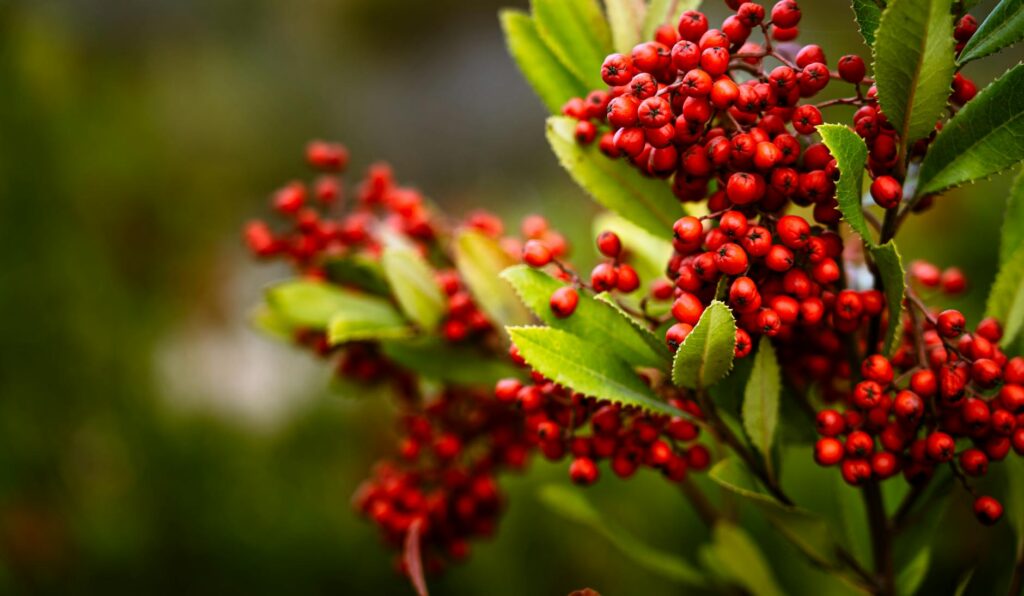
These berries are typically characterized by their small size, juicy texture, and vibrant colors, which can range from deep blue and bright red to striking purple and black. They often grow on shrubs or small plants, making them accessible for foraging or cultivation.
Key Benefits and Properties
Native edible berries offer a plethora of nutritional benefits, making them a valuable addition to diets around the world. Some of the key benefits include:
- Rich Nutritional Profile: Many native berries are packed with vitamins, minerals, and antioxidants. They are often high in Vitamin C, fiber, and various phytochemicals that support overall health.
- Antioxidant Properties: Berries are renowned for their high levels of antioxidants, which help combat oxidative stress in the body. This can contribute to overall well-being and may support immune function.
- Low Caloric Content: Most native berries are low in calories, making them an appealing option for those seeking to maintain or lose weight while still enjoying flavorful foods.
- Anti-Inflammatory Effects: Some studies suggest that certain berries may have anti-inflammatory properties, helping to mitigate chronic inflammation in the body.
- Culinary Versatility: Native berries can be used in a wide range of culinary applications, from fresh eating to preservation methods such as jams, jellies, and syrups.
- Fresh Consumption: Enjoying berries fresh is one of the simplest and most delicious ways to experience their flavor and health benefits. They can be eaten alone or added to salads, yogurt, or breakfast cereals.
- Preservation: Many people choose to preserve berries by making jams, jellies, or fruit preserves. This not only extends their shelf life but also allows for creative culinary applications throughout the year.
- Baking: Berries can be used in a variety of baked goods, such as pies, muffins, and breads, adding moisture and flavor to these treats.
- Beverages: Berries can be infused into beverages like smoothies, teas, or alcoholic drinks, enhancing both taste and nutritional value.
- Syrups and Sauces: Berries can be cooked down into sauces or syrups, which can be drizzled over desserts or used to enhance savory dishes.
- Diffusers: Berry-scented oils can be used in essential oil diffusers, creating a pleasant and invigorating atmosphere. The sweet and tart fragrances can uplift mood and promote relaxation.
- Massage Oils: Berry-infused oils can be used in massage therapy. The delightful scent may enhance the relaxation experience, while the oils can nourish the skin.
- Bath Products: Incorporating berry scents into bath products, such as bath bombs or salts, can provide a rejuvenating experience, allowing one to unwind while enjoying the aromatic benefits.
- Potpourri: Dried berries can be added to potpourri, providing both visual appeal and a fragrant aroma that can enliven any space.
- Identification: Properly identify berries before consumption. Some berries can be toxic, and misidentification can lead to serious health issues. When foraging, consult reliable field guides or local experts.
- Allergies: Some individuals may have allergies to specific berries. It is advisable to start with small quantities to gauge any potential allergic reactions.
- Pesticides and Chemicals: If purchasing berries from a store, consider choosing organic options to minimize exposure to pesticides and other harmful chemicals.
- Storage: Berries should be stored correctly to prevent spoilage. Always wash them gently and dry them before storing to prolong their freshness.
- Refrigeration: Most berries should be refrigerated to extend their shelf life. Store them in a breathable container, such as a paper bag or a container with ventilation holes, to prevent moisture buildup.
- Freezing: For long-term storage, berries can be frozen. Wash and dry them thoroughly, then spread them in a single layer on a baking sheet. Once frozen, transfer them to airtight containers or freezer bags to prevent freezer burn.
- Shelf Life: Depending on the type of berry, fresh berries typically last 3 to 7 days in the refrigerator. Frozen berries can last up to a year when stored properly.
Common Uses
Native edible berries can be incorporated into daily life in a multitude of ways. Here are some common uses:
Aromatherapy Applications
While the primary focus of native edible berries is culinary, some berries have aromatic properties that can be utilized in aromatherapy. The essential oils derived from certain berries can be incorporated into various applications:
Safety Considerations
When using native edible berries, it is essential to be aware of certain safety considerations:
Storage and Shelf Life
Proper storage is crucial for maintaining the quality and freshness of native edible berries. Here are some guidelines:
Frequently Asked Questions
1. Are all native berries safe to eat?
No, not all native berries are safe for consumption. It is essential to identify berries accurately and, if in doubt, consult a local expert or reliable field guide.
2. What are some common native edible berries?
Common native edible berries include blueberries, blackberries, raspberries, cranberries, strawberries, and huckleberries, among others.
3. How can I incorporate berries into my diet?
You can incorporate berries into your diet by eating them fresh, adding them to smoothies, baking them into desserts, or using them in salads and sauces.
4. Can I use berries in aromatherapy?
Yes, some berries have aromatic properties that can be utilized in aromatherapy. Essential oils derived from certain berries can enhance relaxation and uplift mood.
5. How should I store fresh berries?
Fresh berries should be stored in the refrigerator in a breathable container. For longer storage, consider freezing them after washing and drying.
6. Are there any allergic reactions to berries?
Yes, some individuals may experience allergic reactions to specific types of berries. It is recommended to start with small amounts if you are trying a new berry for the first time.
Conclusion
Native edible berries are not only delicious but also rich in nutritional value and cultural significance. With their versatility in culinary applications and potential aromatic benefits, these small fruits hold a special place in global food traditions and ecosystems. By understanding how to safely use and store these berries, individuals can enjoy their bounty while contributing to the preservation of local biodiversity.