
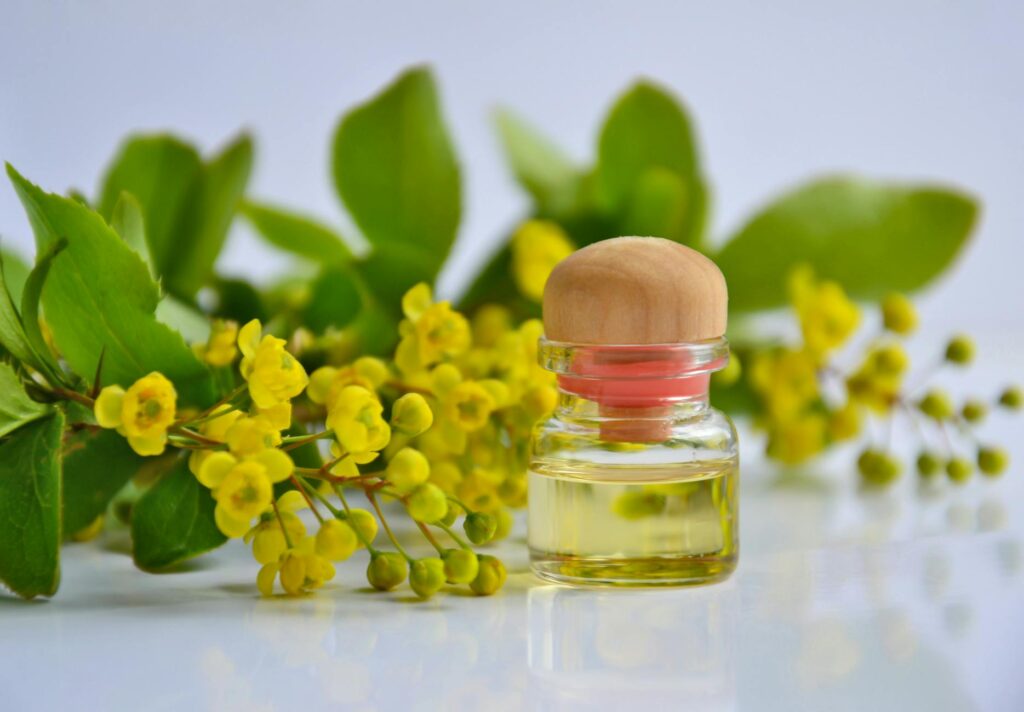
How to Use Native Edible Fruits
Introduction
Native edible fruits hold a special place in the culinary traditions of many cultures around the world. These fruits, which have adapted to specific environments, not only enrich our diets but also offer a wealth of nutritional benefits and unique flavors. This article explores the diverse world of native edible fruits, their benefits, uses, and the growing interest in their incorporation into modern diets and lifestyle practices.
What Is Native Edible Fruits?
Native edible fruits are fruits that are indigenous to a particular region or ecosystem. They have evolved over time to thrive in their specific environments, often exhibiting unique flavors, textures, and nutritional profiles that set them apart from commercially cultivated varieties. Examples of native edible fruits include:
- Cranberries (Vaccinium macrocarpon) in North America
- Açaí berries (Euterpe oleracea) in the Amazon rainforest
- Kiwifruit (Actinidia deliciosa) originally from China
- Finger limes (Citrus australasica) native to Australia
- Cranberries are known for their high levels of vitamin C and antioxidants, which may contribute to overall health.
- Açaí berries are often praised for their high fat content, including omega-3 fatty acids, and their antioxidant properties.
- Citrus oils derived from native citrus fruits can provide an uplifting aroma that may enhance mood and create a refreshing atmosphere.
- Berry oils, although less common, can offer a unique scent profile that adds complexity to blends.
These fruits are often foraged or cultivated by local communities and have been used for generations in traditional dishes, medicines, and cultural practices.
Key Benefits and Properties
Native edible fruits offer numerous benefits that extend beyond their delightful flavors. Here are some key properties:
Nutritional Value
Many native edible fruits are rich in vitamins, minerals, and antioxidants. For example:
Ecological Importance
Native fruits play a crucial role in their ecosystems. They provide food for various animal species, support biodiversity, and contribute to soil health. Additionally, they often require less water and fewer resources than non-native species, making them more sustainable options for cultivation.
Cultural Significance
These fruits are often tied to the cultural heritage of indigenous communities. They feature prominently in traditional recipes, rituals, and local economies, fostering a sense of identity and continuity.
Common Uses
The versatility of native edible fruits allows them to be used in a variety of culinary applications:
Fresh Consumption
Many native fruits can be enjoyed fresh, offering a burst of flavor and nutrition. For instance, finger limes can be sliced open to reveal tiny caviar-like pearls that add a tangy zest to dishes.
Cooking and Baking
Native edible fruits are often incorporated into cooking and baking. They can be used in jams, jellies, sauces, and desserts. For example, cranberries are commonly used in sauces for holiday meals, while açaí berries are often blended into smoothies or bowls.
Fermentation
Some native fruits can be fermented to create unique beverages. For instance, the fermentation of certain berries can yield traditional alcoholic drinks, while fermented fruit preserves offer distinct flavors and extended shelf life.
Preservation
Many native edible fruits can be dried or preserved, allowing their flavors to be enjoyed year-round. Dehydrated fruits can serve as snacks or be rehydrated for use in various dishes.
Aromatherapy Applications
While native edible fruits are primarily celebrated for their culinary attributes, their aromatic properties can also be harnessed in the realm of aromatherapy. The essential oils extracted from the peels or seeds of certain fruits can have uplifting and invigorating effects.
Extracting Essential Oils
Some native fruits can yield essential oils through processes like cold pressing or steam distillation. These oils can be used in diffusers, candles, or personal care products. For example:
Creating Blends
When incorporating native fruit oils into aromatherapy, they can be combined with other essential oils to create synergistic blends. For instance, combining citrus oils with herbal or floral oils can produce a balanced scent that promotes relaxation or focus.
Safety Considerations
While native edible fruits are generally safe for consumption, it is essential to observe some safety considerations:
Allergies and Sensitivities
Some individuals may be allergic or sensitive to specific fruits. It is advisable to perform a patch test when using essential oils, especially for topical applications, to ensure there are no adverse reactions.
Quality and Sourcing
When sourcing native edible fruits or their derivatives, it is crucial to ensure they are harvested sustainably and ethically. Wild foraging should be done with a clear understanding of local regulations and best practices to protect ecosystems.
Proper Use of Essential Oils
If using essential oils derived from native fruits, they should be diluted before topical application and used in moderation in aromatherapy settings. Essential oils are potent and should be handled with care.
Storage and Shelf Life
Proper storage is essential for maintaining the quality and longevity of native edible fruits and their products:
Fresh Fruits
Fresh native fruits should be stored in a cool, dry place, ideally in the refrigerator. Depending on the fruit, they may have a varying shelf life, typically ranging from a few days to a couple of weeks.
Dried Fruits
Dried native fruits should be kept in airtight containers in a cool, dark place to prevent moisture absorption and maintain flavor. When properly stored, they can last for several months.
Essential Oils
Essential oils derived from native fruits should be stored in dark glass bottles to protect them from light and heat. Properly sealed and stored, they can have a shelf life of one to two years, although their potency may diminish over time.
Frequently Asked Questions
1. What are some popular native edible fruits?
Some popular native edible fruits include cranberries, açaí berries, finger limes, and pawpaws. Each offers unique flavors and nutritional benefits.
2. Can I grow native edible fruits in my garden?
Yes, many native edible fruits can be cultivated in home gardens, provided the climate is suitable. It’s beneficial to research specific species to understand their growing conditions and care requirements.
3. Are there any native edible fruits that are toxic?
While many native edible fruits are safe to consume, some may have toxic parts or similar-looking poisonous varieties. Proper identification and knowledge of local flora are crucial when foraging.
4. How can I incorporate native edible fruits into my diet?
You can incorporate native edible fruits into your diet by consuming them fresh, using them in recipes, or adding them to smoothies, salads, and desserts. Experimenting with different preparations can enhance your culinary experience.
5. Where can I find native edible fruits?
Native edible fruits can often be found at local farmers’ markets, specialty stores, or online retailers. If foraging, it is essential to be informed about local regulations and the specific fruits in your area.
Conclusion
Native edible fruits are not only integral to various ecosystems but also hold significant cultural and culinary value. Their diverse applications, from fresh consumption to aromatic uses, make them a fascinating subject for exploration. As interest in sustainable and local food sources continues to grow, native edible fruits are likely to find their way into more kitchens and wellness practices, enriching our diets and lifestyles in the process.