
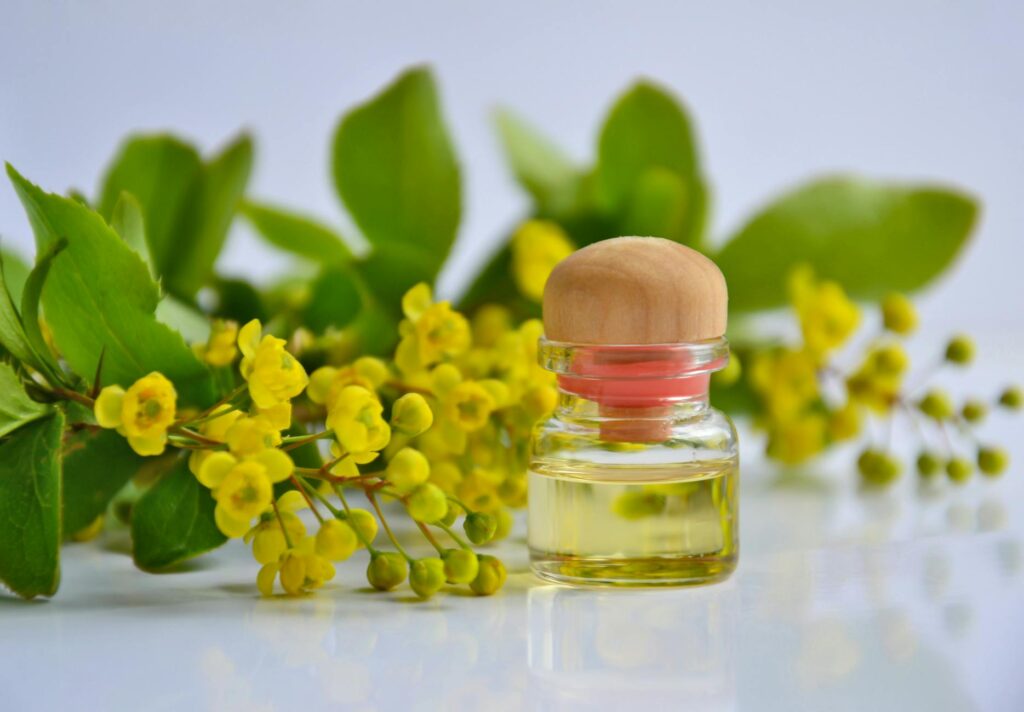
How to Use Native Medicinal Plants
Introduction
The world of native medicinal plants is rich and diverse, offering a wealth of benefits that have been harnessed by various cultures for centuries. These plants not only contribute to the biodiversity of their ecosystems but also serve as vital resources for traditional medicine, wellness practices, and holistic therapies. This article explores the significance of native medicinal plants, their benefits, common uses, and how they can be effectively integrated into your life.
What Are Native Medicinal Plants?
Native medicinal plants are species that are indigenous to a specific region and have been traditionally used by local populations for their therapeutic properties. These plants have adapted to local climates, soils, and ecosystems, making them particularly well-suited for the areas in which they grow. They often contain unique compounds that can promote health and well-being.
Each region of the world boasts its own array of native plants, and their uses can vary widely based on cultural practices and environmental conditions. Examples include Echinacea in North America, Willow bark in Europe, and Turmeric in Asia. Understanding these plants and their roles in traditional medicine can offer valuable insights into natural health practices.
Key Benefits and Properties
Native medicinal plants possess a range of beneficial properties that contribute to their effectiveness in promoting health. These benefits can include:
1. Anti-inflammatory: Many native plants contain compounds that can help reduce inflammation in the body.
2. Antioxidant: Certain species are rich in antioxidants, which help neutralize free radicals and protect against cellular damage.
3. Antimicrobial: Some native plants have antimicrobial properties, making them useful in preventing infections.
4. Adaptogenic: A few plants can help the body adapt to stress and promote balance in physiological functions.
5. Nutritional: Many native plants are also nutritious, providing vitamins, minerals, and other essential nutrients.
Understanding these properties can deepen your appreciation of the potential benefits these plants offer.
Common Uses
The uses of native medicinal plants are as varied as the plants themselves. Here are some common applications:
Herbal Teas and Infusions
Many native plants can be used to make herbal teas or infusions. For instance, Peppermint (Mentha × piperita) is often brewed for its soothing effects on digestion, while Chamomile (Matricaria chamomilla) is popular for its calming properties.
Tinctures and Extracts
Tinctures—concentrated liquid extracts of herbal material—are another popular way to utilize native plants. These can be made using alcohol, glycerin, or vinegar to extract the active compounds. Echinacea tinctures, for instance, are frequently used to support immune health.
Topical Applications
Certain native plants can be used in topical applications, such as salves or creams, to address skin conditions. Calendula (Calendula officinalis) is often used for its soothing properties, helping to heal cuts and irritations.
Culinary Uses
Many native plants are also edible and can be incorporated into culinary practices. For example, wild garlic (Allium vineale) can add flavor and nutritional benefits to dishes, while various berries offer antioxidant properties.
Aromatherapy Applications
Aromatherapy, the practice of using essential oils derived from plants for therapeutic benefits, can also incorporate native medicinal plants. The process of extracting essential oils involves steam distillation or cold pressing to capture the plant’s aromatic compounds. Here are some common native plants used in aromatherapy:
Lavender (Lavandula angustifolia)
Known for its calming properties, lavender essential oil is widely used to reduce stress and promote relaxation. It is often added to diffusers or bath products.
Sage (Salvia officinalis)
Sage has been traditionally used for its cleansing properties. Its essential oil can be diffused to purify the air and promote clarity of thought.
Cedarwood (Cedrus atlantica)
Cedarwood essential oil is prized for its grounding and calming effects. It can be used in meditation practices or as part of a personal care regimen.
Eucalyptus (Eucalyptus globulus)
Eucalyptus oil is often used for its refreshing scent and respiratory support. It can be added to steam inhalation practices or used in massage oils.
When using essential oils, it is important to blend them with a carrier oil before topical application to ensure safety and efficacy.
Safety Considerations
While native medicinal plants offer numerous benefits, it is imperative to approach their use with caution. Here are some key safety considerations:
- Consultation: Always consult with a healthcare professional before using any new medicinal plant, particularly if you are pregnant, nursing, or have existing health conditions.
- Identification: Proper identification is crucial. Some plants can be toxic or harmful if misidentified. Utilize field guides or consult with local experts.
- Dosage: Be mindful of the dosage, as many plants can have different effects depending on the amount used. Start with small quantities and observe how your body responds.
- Allergies: Be aware of any known allergies you may have to specific plants. Conduct a patch test when using essential oils topically for the first time.
- Interactions: Native plants may interact with medications, so it is essential to discuss their use with a healthcare provider if you are on prescribed medications.
Storage and Shelf Life
The longevity of native medicinal plants and their preparations largely depends on how they are stored. Here are some tips for proper storage:
Dried Herbs
Dried herbs should be kept in a cool, dark place in airtight containers to preserve their potency. Generally, dried herbs can last up to one year if stored correctly.
Essential Oils
Essential oils should be stored in dark glass bottles to prevent light degradation. They should also be kept in a cool environment away from direct sunlight. Most essential oils have a shelf life of 1-3 years, but this can vary by type.
Tinctures
Tinctures can last for several years if stored properly in dark glass containers away from heat and light. Regularly check for any changes in odor or color, which might indicate spoilage.
Frequently Asked Questions
1. Can I grow native medicinal plants in my garden?
Yes! Many native plants can be cultivated in home gardens. Be sure to research which plants are suitable for your local climate and soil type.
2. Are there any risks associated with using native medicinal plants?
While many native plants are safe for use, some can be toxic or cause allergic reactions. Always consult a qualified herbalist or healthcare provider before using any new plant.
3. How do I know if a plant is truly native to my area?
Research local flora through field guides or botanical websites. Many regions also have native plant societies that can provide valuable information.
4. Can native medicinal plants be used alongside conventional medicine?
Some native plants can complement conventional treatments, but it’s essential to discuss their use with a healthcare provider to avoid potential interactions.
5. Where can I find native medicinal plants?
You can often find native plants at local nurseries specializing in native species, botanical gardens, or through community plant swaps.
Conclusion
Native medicinal plants represent a treasure trove of natural remedies that have stood the test of time. With their myriad benefits and applications, they can play a significant role in promoting health and wellness. However, it is essential to approach their use with knowledge and respect for their properties and potential risks. By integrating these plants thoughtfully into your life, you can tap into the wisdom of generations past and foster a deeper connection with the natural world.