
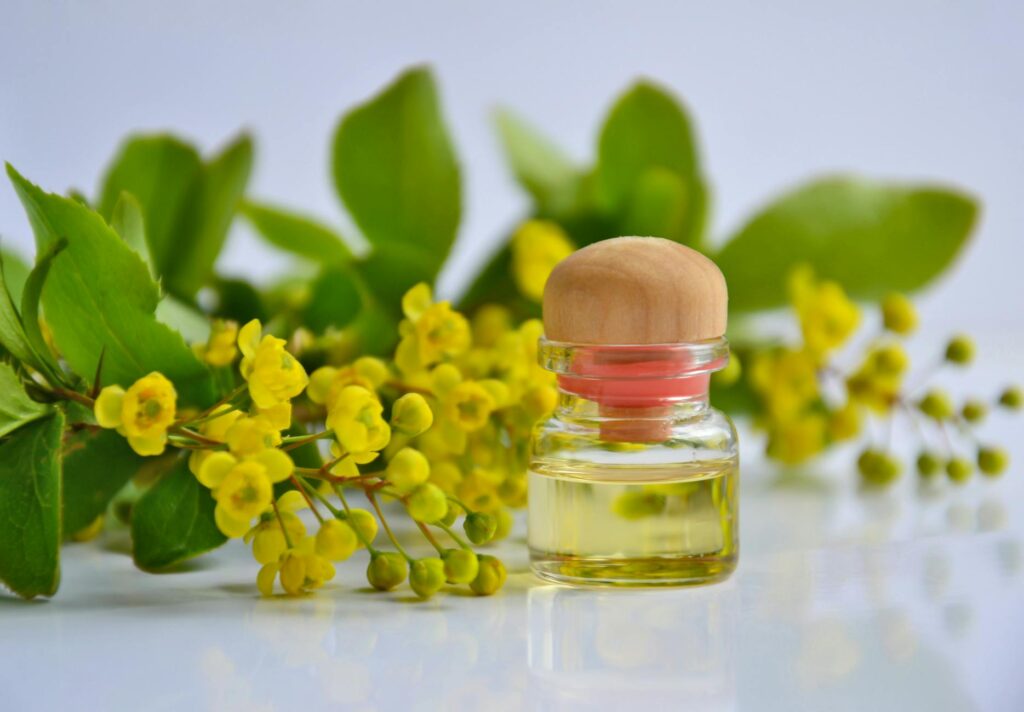
How to Use Native Wild Medicinal Plants
Introduction
The natural world offers a wealth of resources that have been utilized for centuries by indigenous cultures and herbalists alike. Native wild medicinal plants, often overlooked in modern society, hold a rich tapestry of potential benefits and applications. This article aims to explore the intriguing world of these plants, their uses, and their significance in contemporary herbal practices and aromatherapy.
What Is Native Wild Medicinal Plants?
Native wild medicinal plants refer to flora that is indigenous to a particular geographical area and has been recognized for its medicinal properties. These plants have adapted to their local environments over time, developing unique compounds that can influence health and well-being. Each region boasts its own set of native species, making the study and application of these plants a highly localized endeavor.
For example, the Echinacea purpurea, commonly known as purple coneflower, is native to North America and is widely known for its immune-supporting properties. Similarly, the Arnica montana, found in mountainous regions of Europe, is celebrated for its topical applications.
Understanding the local flora not only enriches our appreciation of biodiversity but also provides a sustainable source of natural remedies.
Key Benefits and Properties
The benefits of native wild medicinal plants are manifold, encompassing a range of therapeutic properties. Here are some of the primary benefits:
- Anti-inflammatory: Many native plants possess compounds that can reduce inflammation, making them useful in treating various conditions.
- Antioxidant: Plants such as elderberry (Sambucus nigra) are rich in antioxidants, which help combat oxidative stress in the body.
- Antimicrobial: Certain plants have natural antibacterial and antiviral properties, which can aid in preventing infections.
- Adaptogenic: Some native plants, like ashwagandha (Withania somnifera), help the body adapt to stress and promote overall balance.
- Nutritional Value: Many wild plants are also edible and provide essential vitamins and minerals.
- Teas and Infusions: Steeping leaves, flowers, or roots in hot water can extract beneficial compounds.
- Tinctures: Alcohol or vinegar-based extracts can concentrate the medicinal properties of the plant.
- Salves and Ointments: Combining plant extracts with carrier oils or wax can create topical applications for skin ailments.
- Poultices: Crushing fresh plant material and applying it directly to the skin can provide localized relief.
- Essential Oils: Distilling certain plants can yield essential oils, which are used in aromatherapy.
- Diffusion: Using a diffuser, essential oils can be dispersed into the air, creating an aromatic environment that can enhance mood and promote well-being.
- Inhalation: Directly inhaling the scent from a bottle or a tissue can provide immediate benefits.
- Topical Application: Diluting essential oils in a carrier oil and applying them to the skin can help with localized issues, such as muscle tension or skin irritations.
- Baths: Adding a few drops of essential oil to bathwater can create a soothing and aromatic experience.
- Identification: Properly identifying a plant is crucial before use. Mistaking a medicinal plant for a toxic one can have serious consequences.
- Dosage: Understanding the appropriate dosage is vital. Too much of a plant can lead to adverse effects.
- Allergies: Individuals may have allergies or sensitivities to specific plants. Conducting a patch test for topical applications is advisable.
- Pregnancy and Nursing: Some plants may not be safe for pregnant or nursing women. Consultation with a qualified professional is recommended.
- Interactions with Medications: Native plants can interact with pharmaceuticals, so it is essential to consult a healthcare professional if you are on medication.
- Dried Herbs: Store in a cool, dark place in airtight containers to prevent moisture and light from degrading the plant material. Most dried herbs can last for up to a year if stored correctly.
- Tinctures: Keep tinctures in dark glass bottles away from light and heat. They generally have a shelf life of several years due to the preservative nature of alcohol.
- Essential Oils: Essential oils should be stored in dark glass bottles, away from heat and light. When stored properly, they can last for several years, but it’s essential to check for any changes in scent or consistency.
- Salves and Ointments: Store in a cool, dry place, and use within a year for optimal effectiveness.
Common Uses
Native wild medicinal plants can be utilized in various forms, including:
Each method of preparation carries its own set of advantages and can be tailored to individual needs and preferences.
Aromatherapy Applications
Aromatherapy is a holistic healing practice that utilizes essential oils derived from plants to promote physical and emotional well-being. Many native wild medicinal plants can be transformed into essential oils for this purpose.
Common Essential Oils from Native Plants
1. Lavender (Lavandula angustifolia): Known for its calming properties, lavender oil can be used to reduce anxiety and promote restful sleep.
2. Tea Tree (Melaleuca alternifolia): This oil is celebrated for its antimicrobial properties and is often used in skin care.
3. Cedarwood (Cedrus atlantica): This oil can promote relaxation and has grounding effects, making it suitable for meditation practices.
4. Pine (Pinus sylvestris): The invigorating scent of pine oil can aid in respiratory health and boost mood.
Methods of Use in Aromatherapy
Safety Considerations
While native wild medicinal plants offer numerous benefits, it is essential to approach their use with caution. Here are some key safety considerations to bear in mind:
Storage and Shelf Life
The proper storage of native wild medicinal plants and their preparations is key to preserving their potency. Here are some guidelines:
Frequently Asked Questions
1. How do I know which native plants are safe to use?
Researching local flora through reputable sources or consulting with a trained herbalist can help ensure that you are using the correct species. Field guides and local botanical gardens can also provide valuable information.
2. Can I grow native medicinal plants in my garden?
Yes, many native plants can be cultivated in home gardens. However, it is essential to consider the local ecosystem and choose plants that are well-suited for your environment.
3. Are there any resources for learning more about native wild medicinal plants?
Many botanical gardens, universities, and online platforms offer courses and resources on native plants and their uses. Books on herbalism and local flora can also be beneficial.
4. Can I use native wild medicinal plants with my pets?
While some plants are safe for pets, many can be harmful. Always consult a veterinarian before introducing any new herbal remedy to your pet’s regimen.
5. How can I safely harvest wild plants?
When foraging for wild plants, ensure that you are following local laws and regulations. Harvest sustainably by taking only what you need and leaving enough for the plant to continue to thrive.
—
In conclusion, native wild medicinal plants represent a valuable resource for holistic health and wellness. By understanding their properties, uses, and safety considerations, individuals can incorporate these plants into their lives responsibly and sustainably. With proper knowledge and respect for nature, the rich heritage of native plants can continue to thrive for future generations.