
How to Use Neroli Essential Oil
Introduction
Neroli essential oil, derived from the delicate blossoms of the bitter orange tree (Citrus aurantium), is renowned for its sweet, floral aroma and a wide array of potential benefits. With a rich history in both perfumery and traditional practices, this essential oil has garnered attention in the realm of aromatherapy and holistic well-being. This article aims to provide a comprehensive overview of neroli essential oil, exploring its properties, benefits, applications, and safety considerations.
What Is Neroli Essential Oil?
Neroli essential oil is obtained through the steam distillation of the blossoms of the bitter orange tree. The process yields a light yellow to amber oil that carries a distinctive fragrance characterized by its floral, citrusy notes. The oil has been used for centuries, with its name derived from Anna Maria de la Treccia, the 17th-century Princess of Nerola, Italy, who popularized its use in perfumes.
The chemical composition of neroli essential oil includes various compounds such as linalool, limonene, and nerol, which contribute to its unique scent profile and therapeutic properties. Due to its complex aromatic profile, neroli is often used in high-end perfumes and skincare products.
Key Benefits and Properties
Neroli essential oil is celebrated for several beneficial properties:
1. Calming and Relaxing
Neroli oil is often associated with relaxation and emotional balance. Its calming aroma may help reduce feelings of anxiety and stress, promoting a sense of tranquility.
2. Mood Enhancer
The uplifting scent of neroli can evoke feelings of happiness and joy. It is frequently used in aromatherapy to enhance mood and combat feelings of depression.
3. Antiseptic and Antimicrobial
Neroli essential oil possesses antiseptic properties, making it beneficial for maintaining healthy skin. It may help in cleansing minor cuts and scrapes, although it should not replace conventional medical treatment.
4. Skin Care
Due to its regenerative properties, neroli oil is often included in skincare formulations. It may help improve skin elasticity, reduce the appearance of scars, and promote a more radiant complexion.
5. Digestive Support
Though primarily used in aromatherapy, some traditional practices suggest that neroli can support digestive health. However, further research is needed to fully validate these claims.
Common Uses
Neroli essential oil can be used in a variety of ways:
1. Aromatherapy
Diffusing neroli oil in a room can create a calming atmosphere. It can be blended with other essential oils such as lavender or bergamot for enhanced effects.
2. Massage
Diluting neroli oil in a carrier oil and using it for massage can help promote relaxation and relieve tension in the body.
3. Skincare
Neroli essential oil is often added to creams, lotions, and serums for its skin-enhancing properties. It can be incorporated into DIY skincare routines.
4. Bathing
Adding a few drops of neroli oil to a warm bath can create a soothing experience, helping to alleviate stress and promote relaxation.
5. Perfume
Due to its pleasant fragrance, neroli is commonly used in natural perfumes, either on its own or as part of a blend.
Aromatherapy Applications
1. Diffusion
To create a serene environment, add 3-5 drops of neroli essential oil to a diffuser filled with water. This method allows the oil’s aroma to disperse throughout the space, promoting relaxation.
2. Inhalation
For immediate stress relief, place a few drops of neroli oil on a tissue or cotton ball and inhale gently. This direct inhalation can provide a quick mood boost.
3. Topical Application
When applying neroli oil topically, it is essential to dilute it with a carrier oil (such as jojoba, sweet almond, or coconut oil) to avoid skin irritation. A general guideline is to use a dilution of 2-3% (approximately 12-18 drops of neroli per ounce of carrier oil).
4. Bath Soak
For a relaxing bath, add 5-10 drops of neroli essential oil to a carrier oil (like coconut or jojoba) and mix this blend into your bathwater. The warm water will help disperse the oil and enhance its aromatic properties.
5. DIY Blends
Neroli essential oil can be blended with other oils for various effects. Popular combinations include:
- Stress Relief: Neroli, lavender, and frankincense.
- Uplifting Blend: Neroli, citrus oils (like sweet orange), and geranium.
- Skin Care: Neroli, tea tree, and rosewood for a rejuvenating facial oil.
Safety Considerations
While neroli essential oil is generally considered safe for most people, certain precautions should be observed:
1. Skin Sensitivity
Conduct a patch test on a small area of skin before using neroli oil topically, especially if you have sensitive skin. If irritation occurs, discontinue use.
2. Pregnancy and Nursing
Pregnant or nursing individuals should consult a healthcare provider before using neroli essential oil, as some essential oils can have contraindications.
3. Allergic Reactions
Those with known allergies to citrus fruits should exercise caution, as neroli oil is derived from the bitter orange tree.
4. Quality of Oil
Ensure you are using pure, high-quality neroli essential oil from a reputable source. Adulterated oils may not provide the same benefits and can potentially cause adverse reactions.
Storage and Shelf Life
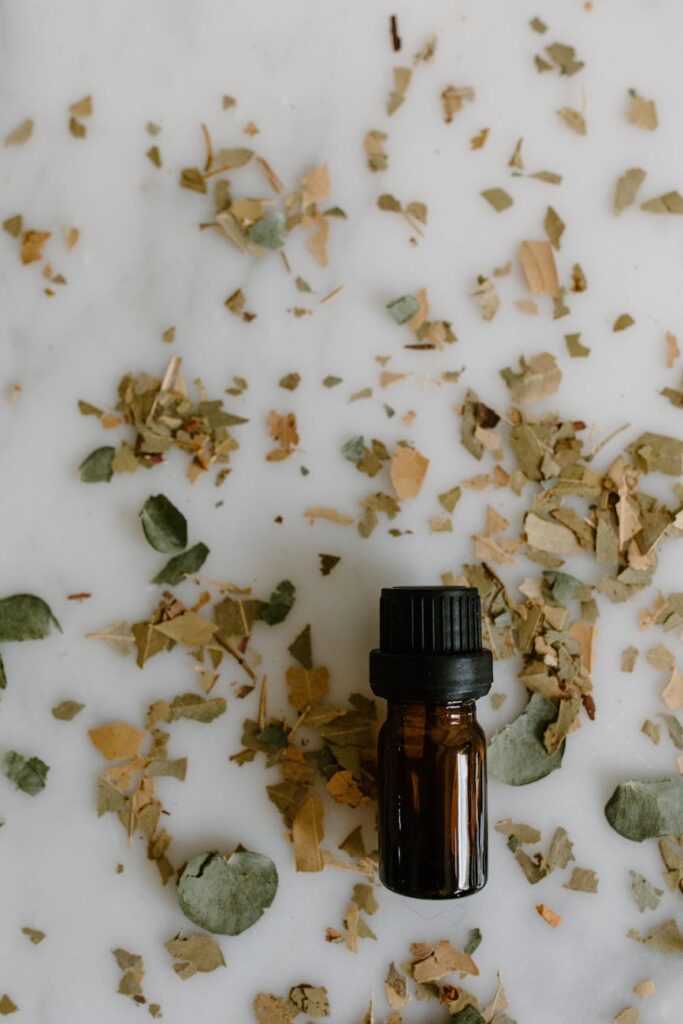
Neroli essential oil should be stored in a cool, dark place, away from direct sunlight and heat sources. Using dark glass bottles (amber or cobalt) can help protect the oil from light exposure.
The shelf life of neroli essential oil is generally around 2-3 years if stored correctly. However, always check for changes in aroma, color, or consistency before use, as these can indicate degradation.
Frequently Asked Questions
1. Can neroli essential oil be ingested?
Ingestion of essential oils should only be done under the guidance of a qualified healthcare professional. Neroli is primarily used for topical and aromatic applications.
2. Is neroli essential oil safe for children?
While neroli oil is generally considered safe, it is advisable to consult with a pediatrician before using any essential oils around children.
3. Can I use neroli essential oil if I have sensitive skin?
Yes, but it is essential to dilute neroli oil with a carrier oil before application. Conduct a patch test first to ensure there are no adverse reactions.
4. What other essential oils blend well with neroli?
Neroli blends well with a variety of other essential oils, including lavender, bergamot, jasmine, and sandalwood, creating harmonious aromatic combinations.
5. How can I incorporate neroli essential oil into my skincare routine?
You can add a few drops of neroli oil to your daily moisturizer or face serum. Always dilute it with a carrier oil for topical application.
—
In conclusion, neroli essential oil is a versatile and fragrant addition to the world of aromatherapy and natural wellness. With its myriad benefits and applications, it offers a pathway to enhance emotional well-being and support skin health. As with all essential oils, understanding its properties and using it safely can help you fully appreciate its potential.