
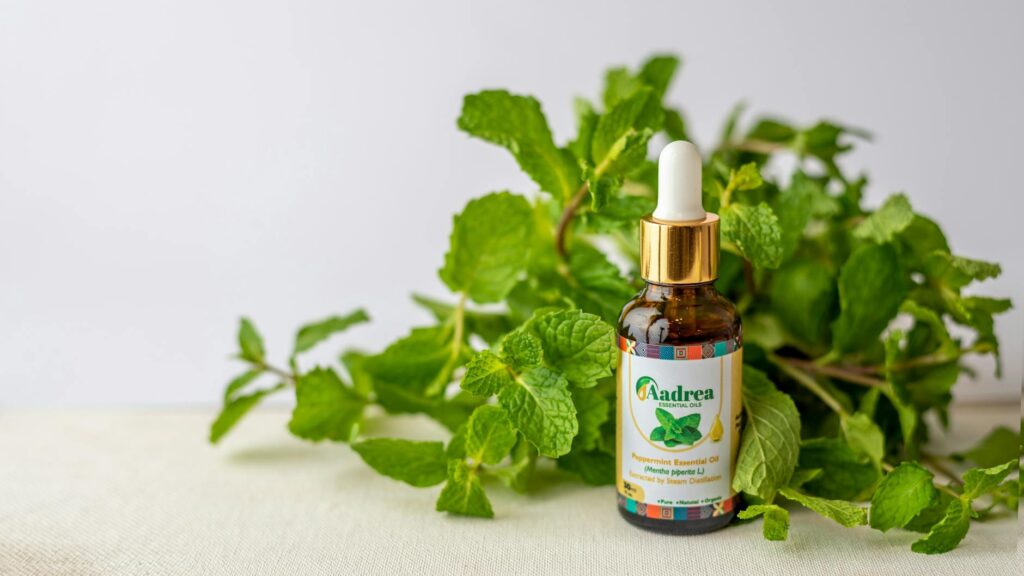
How to Use Nettle Extract
Introduction
Nettle extract, derived from the leaves and stems of the stinging nettle plant (Urtica dioica), has been utilized for centuries in various cultures for its numerous beneficial properties. Known for its distinctive serrated leaves and tiny stinging hairs, nettle is often overlooked due to its prickly nature. However, the extract offers a treasure trove of benefits, making it a valuable addition to herbal and aromatherapy practices. This article explores the characteristics, benefits, and applications of nettle extract, providing a comprehensive guide for those interested in incorporating it into their routines.
What Is Nettle Extract?
Nettle extract is obtained through various methods of extraction, including alcohol extraction, steam distillation, and cold pressing. The extract captures the essence of the nettle plant, concentrating its active compounds while minimizing its irritating properties. The process typically involves infusing the plant material in a solvent, allowing beneficial phytochemicals to dissolve into the liquid.
Nettle is rich in vitamins (such as A, C, K, and several B vitamins), minerals (including iron, calcium, magnesium, and potassium), and a variety of bioactive compounds, such as flavonoids and phenolic acids. This diverse profile contributes to its wide-ranging applications, both in holistic health practices and in the kitchen.
Key Benefits and Properties
The benefits of nettle extract can be attributed to its rich composition. Some of the key properties include:
- Anti-inflammatory: Nettle contains compounds that may help reduce inflammation, making it a popular choice for those interested in natural remedies for discomfort.
- Antioxidant: The presence of flavonoids and other antioxidants in nettle may help combat oxidative stress, contributing to overall health.
- Nutritional Support: Due to its high vitamin and mineral content, nettle extract can serve as a nutritional supplement, providing essential nutrients for overall well-being.
- Hair and Skin Health: Nettle is often used in beauty products for its purported benefits for hair and skin, including promoting hair growth and alleviating scalp issues.
- Culinary Uses: Nettle extract can be added to soups, teas, and smoothies, offering a nutritious boost. Its flavor is often described as earthy and slightly grassy.
- Herbal Remedies: Many people use nettle extract in tinctures and infusions aimed at supporting health. It is popular in herbal medicine for its diuretic properties.
- Cosmetic Applications: Nettle extract is often found in shampoos, conditioners, and skincare products due to its potential benefits for hair and skin.
- Household Uses: Some individuals incorporate nettle extract into household cleaning products for its natural antibacterial properties.
- Diffusion: While nettle extract is not typically used as an essential oil, it can be diluted and added to a diffuser to create a fresh, herbaceous atmosphere.
- Massage Blends: Nettle extract can be combined with carrier oils to create massage oils aimed at alleviating muscle tension and promoting relaxation.
- Bath Products: Adding nettle extract to bath products can enhance the experience, offering both aromatic and skin-nourishing benefits.
- Allergies: Some individuals may experience allergic reactions to nettle. It is advisable to conduct a patch test before using it topically.
- Pregnancy and Nursing: Pregnant or nursing individuals should consult a healthcare professional before using nettle extracts.
- Medication Interactions: Nettle may interact with certain medications, including blood thinners and diuretics. It is important to consult a healthcare provider if you are currently taking any medications.
- Dosage: As with any herbal supplement, moderation is key. Overconsumption can lead to adverse effects.
- Storage Conditions: Keep nettle extract in a cool, dark place, away from direct sunlight and heat. A dark glass bottle is ideal to protect the extract from light exposure.
- Shelf Life: When stored correctly, nettle extract can last for up to 1-2 years. However, it is advisable to check for any changes in smell or appearance before use.
Common Uses
Nettle extract has a variety of applications across different domains:
Aromatherapy Applications
In the realm of aromatherapy, nettle extract can be utilized in various ways:
How to Use Nettle Extract in Aromatherapy
1. Inhalation: Dilute a few drops of nettle extract in a carrier oil and apply to pulse points or the chest for a refreshing aroma.
2. Massage: Combine nettle extract with a carrier oil (such as jojoba or sweet almond) to create a soothing massage oil.
3. Bath Soaks: Add nettle extract to bath water for a nourishing soak that may help soothe muscles and rejuvenate the skin.
Safety Considerations
While nettle extract is generally considered safe when used appropriately, there are a few precautions to keep in mind:
Storage and Shelf Life
Proper storage of nettle extract is essential to maintain its potency and effectiveness:
Frequently Asked Questions
1. Can I make nettle extract at home?
Yes, nettle extract can be made at home through infusion in alcohol or oil. For an alcohol-based extract, simply steep dried nettle leaves in alcohol for several weeks, shaking the jar periodically. For an oil infusion, combine dried nettle with a carrier oil and allow it to steep in a warm place for several weeks.
2. Is nettle extract safe for children?
While nettle extract is generally safe for children in moderate amounts, it is advisable to consult a healthcare provider before giving it to young children.
3. How can I incorporate nettle extract into my cooking?
Nettle extract can be added to soups, sauces, or smoothies. A small amount can enhance the nutritional profile without overpowering the dish’s flavor.
4. Are there any side effects associated with nettle extract?
Some individuals may experience mild digestive upset, allergic reactions, or skin irritation when using nettle extract. It is important to monitor how your body responds and consult a healthcare professional if necessary.
5. Can I use nettle extract for hair growth?
Nettle extract is often included in hair care products for its potential benefits. While individual results may vary, many users report positive effects on scalp health and hair vitality.
Conclusion
Nettle extract is a versatile and nutrient-rich addition to both culinary and wellness practices. Its rich history and array of benefits make it a valuable resource for those exploring herbal remedies and aromatherapy. By understanding its properties, applications, and safety considerations, individuals can effectively incorporate nettle extract into their daily routines, enjoying its many advantages. As with any natural product, it is essential to use nettle extract mindfully and in moderation, ensuring a safe and beneficial experience.