
How to Use Nettle Leaf Extract
Introduction
Nettle leaf extract, derived from the stinging nettle plant (Urtica dioica), has been utilized for centuries in various cultures for its remarkable properties. This extract, rich in nutrients and bioactive compounds, is gaining recognition in the realms of herbal medicine, natural skincare, and aromatherapy. This article explores what nettle leaf extract is, its benefits, common uses, aromatherapy applications, safety considerations, storage tips, and addresses frequently asked questions.
What Is Nettle Leaf Extract?
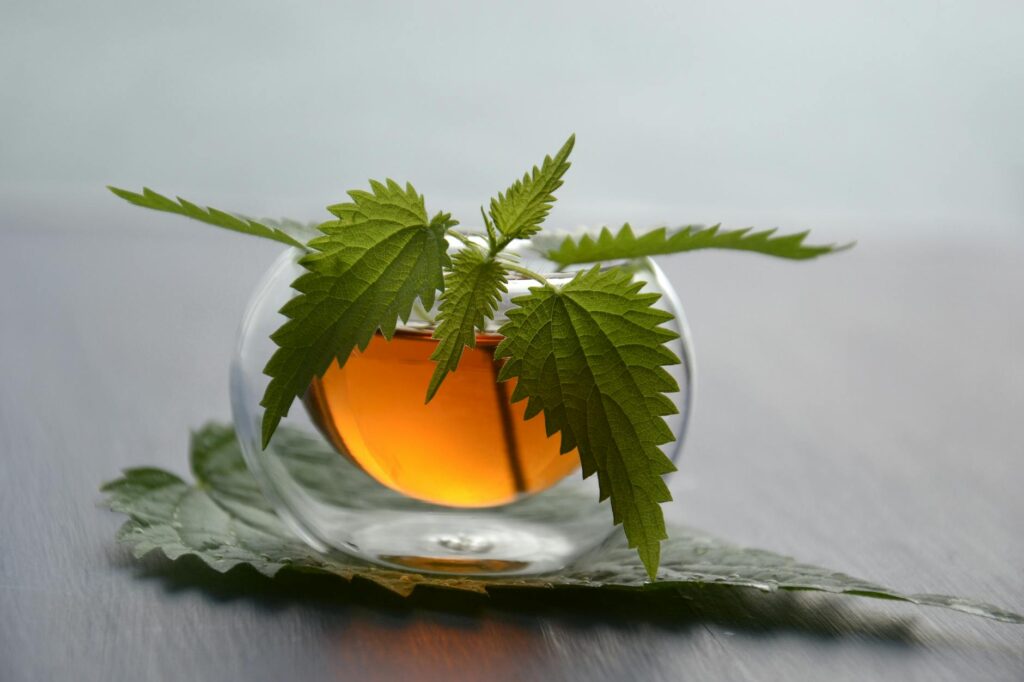
Nettle leaf extract is obtained from the leaves of the stinging nettle plant, which is native to Europe, Asia, and North America. The plant features serrated, heart-shaped leaves and tiny, hair-like structures that can cause a stinging sensation when contacted. However, when processed into an extract, the beneficial components of the leaves are released for use in various applications.
Nettle leaf extract can be prepared in several forms, including tinctures, teas, powders, and capsules. The extraction process typically involves steeping the dried leaves in alcohol or water, which helps to draw out the plant’s active constituents.
Key Benefits and Properties
Nettle leaf extract is often lauded for its rich nutritional profile and bioactive compounds. Some of the key components include:
- Vitamins and Minerals: Nettle is a source of vitamins A, C, K, and several B vitamins, along with minerals such as iron, calcium, magnesium, and potassium.
- Antioxidants: The extract contains flavonoids and phenolic acids, which are known for their antioxidant properties, helping to neutralize free radicals in the body.
- Anti-inflammatory Properties: Some compounds in nettle may help reduce inflammation, making it a popular choice for those seeking natural remedies for discomfort.
- Diuretic Effects: Nettle has traditionally been used as a diuretic, promoting urinary health and aiding in detoxification.
These benefits contribute to the growing interest in nettle leaf extract for various applications, both internal and external.
Common Uses
Nettle leaf extract is versatile and can be incorporated into daily routines in several ways:
1. Culinary Uses: Nettle can be added to soups, stews, and teas. The leaves are often cooked to neutralize their stinging effect and enhance their flavor.
2. Nutritional Supplements: Available in capsule or powdered form, nettle extract can be taken as a dietary supplement to support overall health.
3. Skincare: Nettle leaf extract is a common ingredient in natural skincare products due to its anti-inflammatory and antioxidant properties. It can be found in creams, lotions, and serums aimed at soothing irritated skin.
4. Hair Care: Nettle extract is often included in shampoos and conditioners for its potential benefits in promoting scalp health and strengthening hair.
Aromatherapy Applications
While nettle leaf extract is primarily associated with dietary and topical applications, its use in aromatherapy is less common but still noteworthy. In aromatherapy, essential oils derived from various plants are typically used, yet nettle leaf extract can complement these oils in several ways:
1. Infused Oils: Nettle leaf can be infused into carrier oils (such as jojoba or almond oil) to create a nourishing oil blend. This infused oil can be used in massage, providing both hydration and potential anti-inflammatory benefits.
2. Synergies with Essential Oils: When blended with essential oils such as lavender or eucalyptus, nettle leaf extract can enhance the overall calming or invigorating effects of an aromatherapy blend.
3. Diffusion: While not typically diffused, nettle-infused oils can be used in a diffuser when mixed with essential oils to provide a unique aromatic experience.
4. Bath Additives: Adding nettle leaf-infused oils or extracts to bathwater can create a relaxing and soothing environment, allowing the benefits of nettle to be absorbed through the skin.
Safety Considerations
When using nettle leaf extract, it is essential to take certain precautions:
1. Allergic Reactions: Some individuals may have allergic reactions to nettle. It is advisable to perform a patch test before topical use.
2. Pregnancy and Lactation: While nettle is considered safe for most people, pregnant or nursing women should consult a healthcare professional before use.
3. Interactions with Medications: Nettle may interact with certain medications, particularly blood thinners and diuretics. Individuals on medication should consult a healthcare provider before incorporating nettle into their regimen.
4. Dosage: Adhering to recommended dosages is crucial. Overconsumption may lead to gastrointestinal discomfort or other side effects.
5. Processing: Ensure that the nettle extract is sourced from a reputable supplier to avoid contamination with harmful substances.
Storage and Shelf Life
To maintain the efficacy and potency of nettle leaf extract, proper storage is essential:
1. Cool, Dark Place: Store nettle extracts in a cool, dark place away from direct sunlight. Exposure to light and heat can degrade the quality of the extract over time.
2. Tightly Sealed Containers: Keep nettle extracts in tightly sealed containers to prevent moisture and air exposure, which can lead to spoilage.
3. Expiration Dates: Check for expiration dates on commercially prepared products. Homemade extracts may have varying shelf lives depending on the preparation method.
4. Refrigeration: Some liquid extracts may benefit from refrigeration, particularly after opening, to extend their shelf life.
Frequently Asked Questions
1. Can I make nettle leaf extract at home?
Yes, nettle leaf extract can be made at home using dried nettle leaves and a suitable solvent, such as alcohol or water. However, it is essential to follow proper procedures to ensure safety and potency.
2. Is nettle leaf extract suitable for children?
While nettle leaf extract is generally considered safe, it is advisable to consult a healthcare professional before giving it to children, especially in concentrated forms.
3. How can I incorporate nettle leaf extract into my skincare routine?
Nettle leaf extract can be added to lotions or creams, or used in DIY skincare formulations. It is essential to perform a patch test to ensure no adverse reactions occur.
4. Is there a specific time of day to take nettle leaf extract?
There is no specific time of day that is universally recommended for taking nettle leaf extract. However, some individuals prefer taking it with meals to aid in digestion.
5. Can I use nettle leaf extract if I have a medical condition?
Individuals with pre-existing medical conditions should consult a healthcare professional before using nettle leaf extract, especially if they are on medication or have specific health concerns.
Conclusion
Nettle leaf extract is a versatile and beneficial addition to various wellness practices, from culinary applications to skincare and aromatherapy. Its rich nutritional profile and potential health benefits make it an appealing choice for those seeking natural remedies. As with any herbal product, it is important to use nettle leaf extract responsibly and be mindful of individual health considerations. By understanding its properties, uses, and safety guidelines, individuals can effectively incorporate nettle leaf extract into their daily lives.