
How to Use Niaouli Oil Safely
Introduction
Niaouli oil, derived from the leaves of the Melaleuca quinquenervia tree, is a versatile essential oil known for its refreshing and invigorating aroma. With a rich history in traditional medicine, this oil has gained popularity in the realm of aromatherapy and natural wellness. However, like all essential oils, it is important to understand how to use niaouli oil safely to harness its benefits effectively while minimizing any potential risks.
What Is Niaouli Oil Safety?
Niaouli oil is recognized for its numerous therapeutic properties, including antiseptic, anti-inflammatory, and expectorant qualities. While its benefits are widely celebrated, safety precautions are essential when using this essential oil. Niaouli oil can be potent and may cause adverse reactions if used improperly. Therefore, understanding its safety profile is crucial for anyone interested in incorporating it into their wellness routine.
Key Benefits and Properties
Niaouli oil is packed with various beneficial compounds that contribute to its therapeutic properties. Some of the key components include:
- 1,8-Cineole (Eucalyptol): Known for its ability to support respiratory health and clear congestion.
- Alpha-Pinene: This compound may enhance focus and mental clarity.
- Limonene: Recognized for its uplifting effects and potential to ease stress.
- Topical Applications: Diluted in carrier oils for skin care, especially for acne or minor cuts.
- Inhalation: Used in diffusers or steam inhalation to support respiratory health.
- Household Cleaning: Its antiseptic properties make it suitable for natural cleaning products.
- Ambient Conditions: Store in a cool, dark place away from direct sunlight and heat sources.
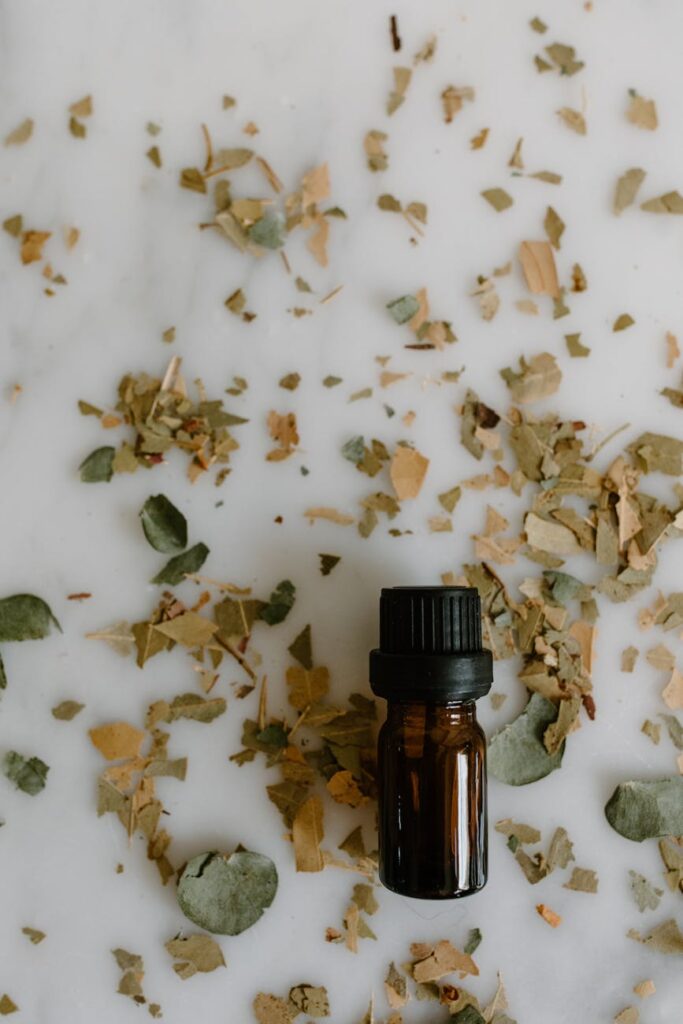
- Container: Use dark glass bottles to protect the oil from light exposure. Ensure that the cap is tightly sealed to prevent oxidation.
- Shelf Life: When stored correctly, niaouli oil typically has a shelf life of 2-3 years. However, always check for changes in color, consistency, or scent, which may indicate that the oil has expired.
Therapeutic Properties
1. Antiseptic: Niaouli oil has been used traditionally for its ability to combat infections and promote wound healing.
2. Anti-inflammatory: It may help reduce inflammation, making it useful for soothing irritated skin.
3. Expectorant: This property aids in relieving respiratory issues by helping to expel mucus.
Common Uses
Niaouli oil can be used in a variety of applications, including:
Aromatherapy Applications
In aromatherapy, niaouli oil is often employed to create a calming yet invigorating atmosphere. Here are some common applications:
Diffusion
Using a diffuser, niaouli oil can fill a room with its fresh scent. This method is ideal for promoting mental clarity and uplifting the spirit during stressful times.
Inhalation
For respiratory support, inhaling niaouli oil can be beneficial. Adding a few drops to a bowl of hot water and inhaling the steam can help clear nasal passages.
Massage
When diluted with a carrier oil, niaouli oil can be used in massage therapy. Its anti-inflammatory properties may help relieve muscle tension and soreness.
Safety Considerations
While niaouli oil is generally safe for most people, it is essential to adhere to specific safety guidelines:
Dilution
Niaouli oil is highly concentrated and should never be applied directly to the skin without dilution. A common dilution ratio is 1-2 drops of niaouli oil per teaspoon of carrier oil (such as jojoba, coconut, or olive oil).
Skin Sensitivity
Before applying niaouli oil topically, it is advisable to perform a patch test. Apply a small diluted amount to a discreet area of the skin and monitor for any adverse reactions such as redness, itching, or swelling.
Pregnancy and Nursing
Although niaouli oil is often considered safe, pregnant or nursing individuals should consult a healthcare professional before use.
Children and Pets
Niaouli oil should be kept out of reach of children and pets. If considering its use in a household with children or animals, it is essential to consult a healthcare professional or a certified aromatherapist.
Avoid Ingestion
Ingesting essential oils is generally not recommended unless under the guidance of a qualified healthcare professional. Niaouli oil should not be consumed in any form.
Storage and Shelf Life
Proper storage is crucial for maintaining the quality and efficacy of niaouli oil. Here are some guidelines:
Frequently Asked Questions
1. Is niaouli oil safe for all skin types?
While niaouli oil is generally safe for most skin types, those with sensitive skin should take extra precautions, including dilution and patch testing.
2. Can I use niaouli oil for respiratory issues?
Niaouli oil is often used in aromatherapy for respiratory support. However, individual responses may vary, and it is essential to consult a healthcare professional if you have underlying health issues.
3. How often can I use niaouli oil?
Usage frequency can depend on the method of application. For topical use, 1-2 times a day is generally acceptable when diluted. For diffusion, it can be used several times a day, but it’s essential to monitor how you feel.
4. Are there any contraindications for using niaouli oil?
Individuals with specific allergies or sensitivities, particularly to other members of the Myrtaceae family (like tea tree oil), should exercise caution. Always consult a healthcare professional if you have concerns.
5. Can niaouli oil be used in cooking or food preparations?
Ingesting niaouli oil is not recommended unless supervised by a qualified healthcare professional. It is primarily intended for topical and aromatic applications.
Conclusion
Niaouli oil is a valuable addition to the world of essential oils, offering numerous benefits when used correctly. Understanding its properties, applications, and safety considerations is key to maximizing its benefits while avoiding potential risks. Whether you are a seasoned aromatherapist or a newcomer to essential oils, following these guidelines will help ensure a safe and enjoyable experience with niaouli oil.