
How to Use Niaouli Oil
Introduction
Essential oils have gained significant popularity in recent years, not only for their aromatic qualities but also for their potential therapeutic benefits. Among these, Niaouli oil stands out due to its unique properties and versatility. Derived from the leaves of the Melaleuca quinquenervia tree, native to Australia and the Pacific Islands, Niaouli oil has been used for centuries in traditional medicine and continues to find applications in modern aromatherapy. This article aims to explore how to use Niaouli oil effectively while providing insights into its benefits, common uses, and safety considerations.
What Is Niaouli Oil?
Niaouli oil is an essential oil extracted through steam distillation from the leaves and twigs of the Niaouli tree, which belongs to the Myrtaceae family. The tree can grow up to 30 meters tall and is characterized by its aromatic foliage and distinctive bark. The oil has a fresh, camphoraceous scent, reminiscent of eucalyptus, making it a popular choice in various aromatic applications.
The chemical composition of Niaouli oil includes 1,8-cineole, α-pinene, and β-pinene, among other constituents, which contribute to its therapeutic properties. These compounds are responsible for Niaouli’s antiseptic, anti-inflammatory, and expectorant qualities, making it a valuable addition to any essential oil collection.
Key Benefits and Properties
Niaouli oil is renowned for its array of beneficial properties, which include:
- Antiseptic: Niaouli oil can help inhibit the growth of bacteria and fungi, making it useful for minor cuts and scrapes.
- Anti-inflammatory: The oil may assist in reducing inflammation, which can be beneficial for muscle and joint discomfort.
- Expectorant: It can aid in respiratory health by helping to clear mucus from the airways.
- Analgesic: Niaouli oil may provide relief from pain when applied topically or inhaled.
- Stimulating: The invigorating scent of Niaouli oil can enhance mental clarity and focus, making it an excellent choice for aromatherapy.
- Niaouli and Eucalyptus: This blend can enhance respiratory support, making it ideal for use during cold and flu seasons.
- Niaouli and Lavender: Mixing Niaouli with lavender can provide a calming atmosphere, promoting relaxation and reducing stress.
- Niaouli and Peppermint: This combination can invigorate the mind and alleviate feelings of fatigue or mental fog.
- Dilution: Always dilute Niaouli oil with a carrier oil (such as coconut, jojoba, or almond oil) before applying it to the skin. A typical dilution ratio is 2-3 drops of essential oil per teaspoon of carrier oil.
- Patch Test: Conduct a patch test before widespread use to check for any allergic reactions. Apply a small diluted amount to a discreet area of skin and wait 24 hours to observe any adverse effects.
- Pregnancy and Nursing: If you are pregnant, nursing, or have underlying health conditions, consult with a healthcare professional before using Niaouli oil.
- Essential Oil Quality: Ensure you are using 100% pure, high-quality Niaouli oil from a reputable source. Synthetic or adulterated oils may not provide the same benefits and could pose risks.
- Store in a Cool, Dark Place: Keep the oil in a cool, dark area away from direct sunlight to prevent degradation.
- Use Dark Glass Bottles: Amber or cobalt glass bottles can protect the oil from light exposure, extending its shelf life.
- Tightly Sealed: Ensure the bottle is tightly sealed when not in use to prevent oxidation.
Common Uses
Niaouli oil can be employed in various ways, making it a versatile essential oil for both personal care and household applications:
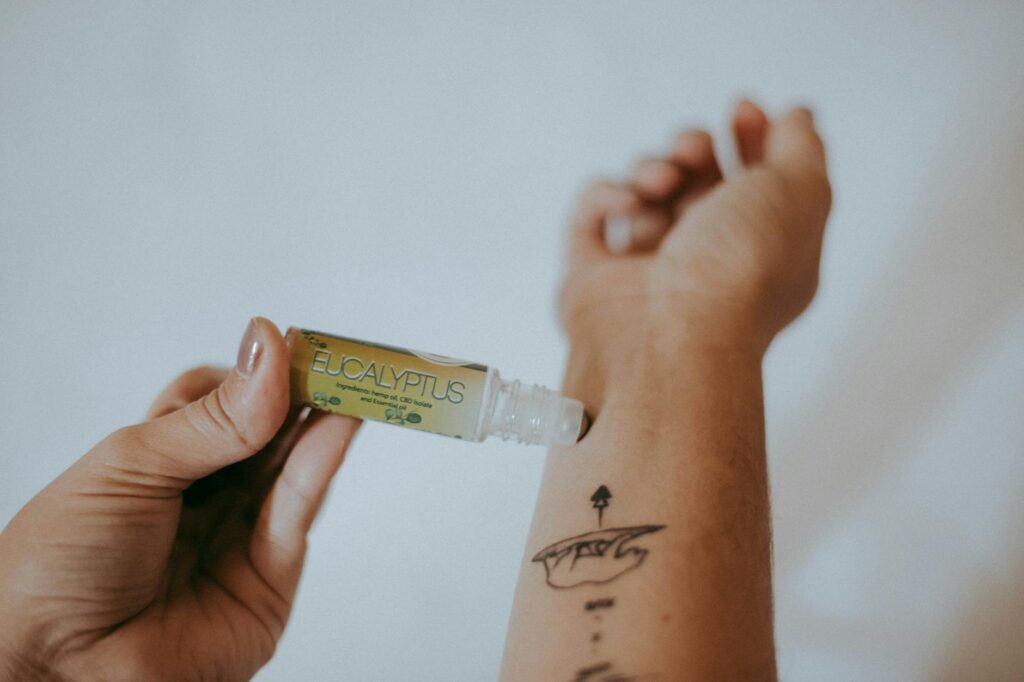
1. Topical Application: Diluted Niaouli oil can be applied directly to the skin to address minor skin irritations, cuts, or muscle soreness.
2. Inhalation: The oil can be inhaled directly or used in a diffuser to help clear nasal passages and promote respiratory health.
3. Massage Oil: Mixed with a carrier oil, Niaouli can be used for massage to relieve tension and improve circulation.
4. Cleaning Products: Due to its antiseptic properties, Niaouli oil can be added to homemade cleaning solutions for a natural disinfectant.
5. Baths: A few drops of Niaouli oil can be added to bathwater for a relaxing and aromatic experience.
Aromatherapy Applications
In the realm of aromatherapy, Niaouli oil can be blended with other essential oils to create synergistic effects. Here are a few popular combinations:
To use Niaouli oil in aromatherapy, consider the following methods:
1. Diffusion: Add 5-10 drops of Niaouli oil to a diffuser filled with water. This will disperse the aroma throughout the room, creating a refreshing and uplifting environment.
2. Inhalation: For immediate effects, place a few drops of Niaouli oil on a tissue or cotton ball and inhale deeply.
3. Personal Inhaler: Create a personal inhaler by adding several drops of Niaouli oil to an inhaler stick, allowing for on-the-go aromatherapy.
4. Room Spray: Combine Niaouli oil with distilled water in a spray bottle for a natural room fragrance.
Safety Considerations
While Niaouli oil is generally considered safe for most people, it is essential to follow certain precautions:
Storage and Shelf Life
To maintain the integrity and potency of Niaouli oil, proper storage is essential. Follow these guidelines:
Typically, Niaouli oil has a shelf life of 1-3 years when stored correctly. If you notice any changes in color, aroma, or consistency, it may be time to replace your oil.
Frequently Asked Questions
1. Can I use Niaouli oil for skincare?
Yes, Niaouli oil can be beneficial for skincare due to its antiseptic and anti-inflammatory properties. However, always dilute it before applying to the skin.
2. Is Niaouli oil safe for children?
Niaouli oil is generally not recommended for children under two years of age. Always consult with a healthcare provider for specific guidance regarding essential oils for children.
3. Can Niaouli oil be ingested?
Ingesting essential oils is not advised unless under the guidance of a qualified healthcare practitioner. Many essential oils can be toxic if consumed improperly.
4. How does Niaouli oil compare to Tea Tree oil?
While both Niaouli and Tea Tree oils have antimicrobial properties, Niaouli has a milder aroma and may be more suitable for individuals sensitive to strong scents. They can be used interchangeably in some applications, but each has unique characteristics.
5. Can I use Niaouli oil if I have sensitive skin?
Individuals with sensitive skin should exercise caution when using Niaouli oil. Always perform a patch test before use and dilute the oil adequately.
Conclusion
Niaouli oil is a versatile and beneficial essential oil with a wide range of applications in aromatherapy, skincare, and household use. Its antiseptic, anti-inflammatory, and invigorating properties make it an excellent addition to any essential oil collection. By understanding how to use Niaouli oil safely and effectively, you can harness its potential benefits while enjoying its refreshing aroma. Always remember to prioritize safety and consult with a professional when in doubt, ensuring a positive experience with this remarkable essential oil.