
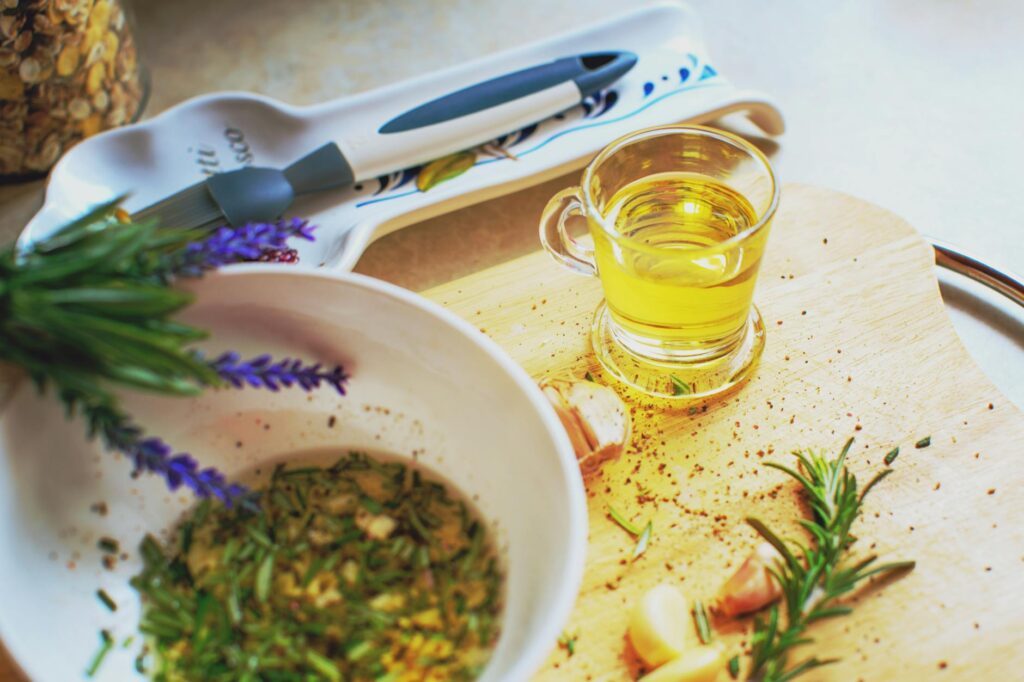
How to Use Olive Oil
Introduction
Olive oil, a staple of Mediterranean cuisine, has transcended its culinary origins to become a versatile ingredient in various applications, from cooking and beauty to health and wellness. Known for its rich flavor and potential health benefits, olive oil is not only a popular cooking oil but also serves as a base for many essential oils in the field of aromatherapy. This article aims to delve into the various dimensions of olive oil, exploring its benefits, uses, and practical applications while ensuring a comprehensive understanding of this remarkable oil.
What Is Olive Oil?
Olive oil is extracted from the fruit of the olive tree (Olea europaea), a species native to the Mediterranean region. The oil is produced through the pressing of whole olives, which can be done through various methods, including cold-pressing and refining. The quality of olive oil can vary significantly, with categories such as extra virgin, virgin, and refined, depending on the extraction process and acidity levels.
- Extra Virgin Olive Oil: This highest-quality category is cold-pressed, with no more than 0.8% acidity. It boasts a robust flavor and is rich in antioxidants.
- Virgin Olive Oil: Slightly lower in quality, virgin olive oil has an acidity level of up to 2%. It is also cold-pressed but may have a milder flavor.
- Refined Olive Oil: This type undergoes chemical refining to neutralize flavors and acidity, resulting in a lighter oil that lacks the distinct taste and health benefits of the virgin categories.
- Monounsaturated Fats: These healthy fats, particularly oleic acid, are known for their potential to lower bad cholesterol levels and promote heart health.
- Antioxidants: Olive oil is rich in antioxidants, including vitamin E and polyphenols, which can help protect the body from oxidative stress and inflammation.
- Anti-Inflammatory Properties: Studies suggest that olive oil may have anti-inflammatory effects, attributed to its high content of oleocanthal, a compound that mimics the action of ibuprofen.
- Lavender: Known for its calming properties, lavender essential oil blended with olive oil can be used for massage or relaxation.
- Peppermint: This invigorating oil can enhance focus and energy when combined with olive oil and applied to pulse points.
- Tea Tree: Known for its antibacterial properties, tea tree oil diluted in olive oil can be applied for topical use.
- Skin Sensitivity: Before using olive oil on the skin, conduct a patch test to ensure there are no allergic reactions or sensitivities.
- Quality Matters: Opt for high-quality, organic olive oil to maximize benefits and minimize exposure to pesticides or harmful additives.
- Allergies: Individuals with specific allergies or sensitivities to olives should avoid using olive oil, particularly in cosmetic applications.
- Keep it Cool: Store olive oil in a cool, dark place, away from heat sources and direct sunlight. Exposure to light and heat can degrade the oil and diminish its flavor and health benefits.
- Use Dark Bottles: If purchasing olive oil in clear bottles, consider transferring it to dark glass containers to protect it from light exposure.
- Check Expiration Dates: Olive oil typically has a shelf life of 18 to 24 months. Always check the expiration date and use the oil within this timeframe for optimal quality.
Key Benefits and Properties
Olive oil is renowned for its numerous health benefits and rich composition. Its primary constituents include:
Due to these properties, olive oil has been linked to a reduced risk of chronic diseases, including heart disease and certain types of cancer, although these claims are still being researched and debated within scientific communities.
Common Uses
Culinary Applications
Olive oil is widely used in cooking, serving as a base for dressings, marinades, and sautés. Its flavor profile can enhance a variety of dishes, from salads to roasted vegetables. Additionally, it can be drizzled over bread or used as a dipping oil, often accompanied by herbs and spices.
Skincare
The moisturizing properties of olive oil make it a popular choice in skincare. It can be used as a natural moisturizer, makeup remover, or even in DIY skin treatments, such as scrubs and masks. Its antioxidants can help nourish the skin and may assist in maintaining a youthful appearance.
Hair Care
Olive oil can also be beneficial for hair, serving as a natural conditioner. It can help to reduce frizz, add shine, and promote hair health. Incorporating olive oil into hair care routines, either as a treatment or in shampoos and conditioners, can yield positive results.
Aromatherapy Applications
In the realm of aromatherapy, olive oil is often used as a carrier oil. It serves as a base for diluting essential oils before application to the skin. Using olive oil as a carrier oil can enhance the absorption of essential oils while minimizing the risk of skin irritation.
Blending Essential Oils
When blending essential oils, it is crucial to consider the intended use and desired effects. Some popular essential oils to mix with olive oil include:
Safety Considerations
While olive oil is generally safe for most people, there are several considerations to keep in mind:
Storage and Shelf Life
To maintain the quality and freshness of olive oil, proper storage is essential. Here are some tips:
Frequently Asked Questions
1. Can I use olive oil for cooking at high temperatures?
While olive oil has a relatively high smoke point compared to other oils, extra virgin olive oil is best used for low to medium-heat cooking or as a finishing oil to preserve its flavor and health benefits. For high-heat cooking, consider using refined olive oil or other oils with higher smoke points.
2. Is olive oil suitable for all skin types?
Olive oil is generally safe for most skin types, but individuals with oily or acne-prone skin may want to use it sparingly, as it can be heavy and potentially clog pores. Always perform a patch test before applying it more widely.
3. How can I tell if my olive oil has gone bad?
Signs of rancidity in olive oil include an off-smell, a change in color, or a bitter taste. If you notice these changes, it is best to discard the oil.
4. Can olive oil be used for massage?
Yes, olive oil can be used as a massage oil, particularly when blended with essential oils. Its moisturizing properties can provide a soothing experience, while the essential oils can enhance relaxation or invigoration.
5. How do I choose the best olive oil?
When selecting olive oil, look for extra virgin olive oil that is cold-pressed and comes in a dark glass bottle. Check for certification seals, as well as the harvest date, to ensure freshness and quality.
Conclusion
Olive oil is more than just a cooking ingredient; its versatility extends into skincare, hair care, and aromatherapy. With its rich history and numerous benefits, understanding how to use olive oil can enhance both culinary experiences and personal care routines. By following proper storage guidelines and safety considerations, you can fully enjoy the myriad advantages offered by this remarkable oil. Whether drizzled over a salad, blended with essential oils, or applied to the skin, olive oil remains a cherished resource in both kitchens and wellness practices around the world.