
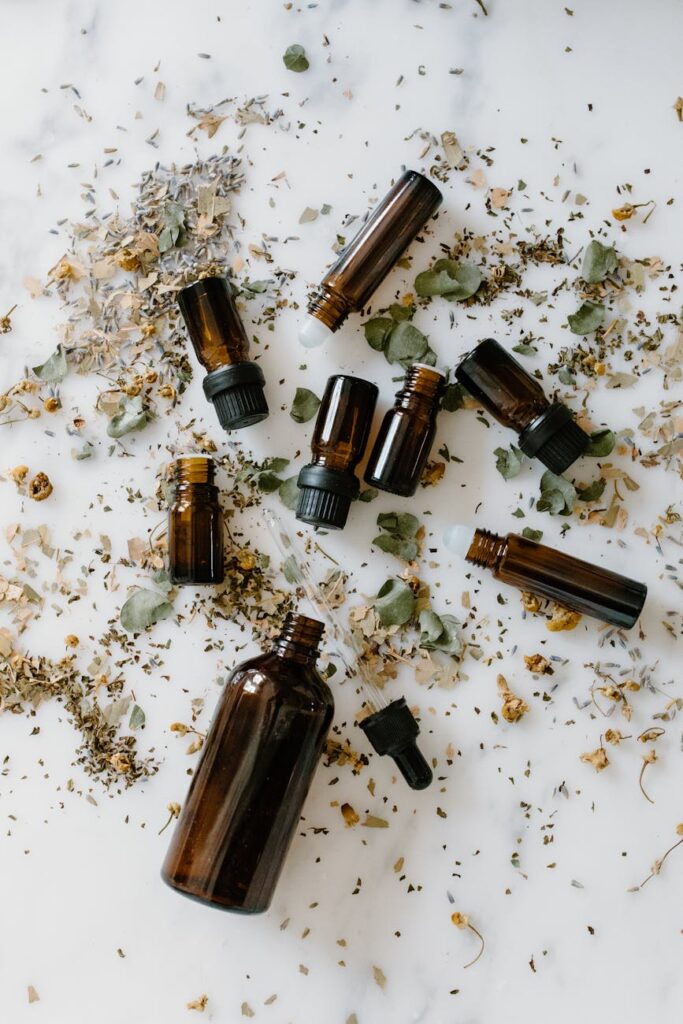
How to Use Patchouli Oil
Introduction
Patchouli oil, derived from the leaves of the Pogostemon cablin plant, has been celebrated for centuries for its distinctive aroma and various applications. Originally native to Southeast Asia, this essential oil has gained global recognition, particularly in the realms of perfumery and aromatherapy. This article explores the properties, benefits, common uses, and safety considerations of patchouli oil, providing a comprehensive guide for those interested in integrating this versatile oil into their wellness routines.
What Is Patchouli Oil?
Patchouli oil is extracted through steam distillation from the dried leaves of the patchouli plant. The oil boasts a rich, earthy scent often described as musky and woody, making it a popular choice in fragrances and personal care products. Patchouli oil is categorized as a fixative in perfumery, meaning it helps stabilize and prolong the scent of other essential oils and fragrance components.
The plant itself can grow up to three feet tall and has large, green leaves that are aromatic when crushed. Patchouli oil’s distinctive aroma and properties make it a staple in various cultural practices and wellness traditions.
Key Benefits and Properties
Patchouli oil is noted for its diverse range of properties, which include:
- Antimicrobial: Some studies suggest that patchouli oil may have antibacterial and antifungal properties, making it a popular choice in natural cleaning products and personal care formulations.
- Anti-inflammatory: The oil is believed to possess anti-inflammatory qualities, which can be beneficial in soothing irritated skin.
- Mood Enhancer: The aroma of patchouli oil is often used to promote relaxation and reduce feelings of anxiety, making it a common choice in stress relief practices.
- Aphrodisiac: Traditionally, patchouli oil has been associated with enhancing libido and promoting sensuality.
- Aromatherapy: Diffusing patchouli oil in the air can create a calming environment, enhancing mood and promoting relaxation.
- Skincare: Due to its potential skin benefits, patchouli oil is often found in lotions, creams, and serums aimed at soothing and nourishing the skin.
- Fragrance: Patchouli oil is a popular base note in perfumes, often used in combination with other essential oils to create a well-rounded scent profile.
- Household Products: It can be added to cleaning solutions for its antimicrobial properties and pleasant aroma.
- Container: Store patchouli oil in a dark glass bottle to protect it from light, which can degrade the oil over time.
- Temperature: Keep the oil in a cool, dry place, away from direct sunlight and heat sources.
- Shelf Life: When stored correctly, patchouli oil can last for several years. However, it is advisable to check for any changes in aroma or consistency, which may indicate that the oil has surpassed its shelf life.
These properties contribute to the oil’s popularity in both aromatherapy and natural personal care products.
Common Uses
Patchouli oil is versatile and can be used in various ways, including:
Aromatherapy Applications
In aromatherapy, patchouli oil can be used in various ways to enhance well-being:
Diffusion
Using an essential oil diffuser is one of the most common methods for enjoying the benefits of patchouli oil. Just a few drops added to a diffuser can fill a room with its rich aroma, creating a soothing atmosphere. This method is beneficial for promoting relaxation, especially during meditation or yoga sessions.
Inhalation
For a more direct application, inhaling patchouli oil can be done by placing a drop or two on a tissue or cotton ball and breathing in the scent. This method is particularly useful for those seeking immediate stress relief or mood enhancement.
Topical Application
When using patchouli oil topically, it is essential to dilute it with a carrier oil, such as coconut or jojoba oil, to avoid skin irritation. This mixture can then be applied to pulse points, such as the wrists or neck, for a personal fragrance or to experience its calming effects.
Bathing
Adding a few drops of patchouli oil to a warm bath can create a soothing and aromatic experience. The warm water helps to disperse the oil, allowing the scent to envelop the bather while providing a relaxing atmosphere.
Safety Considerations
While patchouli oil is generally considered safe for use, certain precautions should be observed:
1. Skin Sensitivity: Always conduct a patch test before using patchouli oil on the skin. Dilute the oil in a carrier oil and apply a small amount to a discreet area. Wait 24 hours to check for any adverse reactions.
2. Pregnancy and Nursing: Pregnant or nursing individuals should consult a healthcare professional before using essential oils, including patchouli oil.
3. Interactions with Medications: Those taking medications or with existing health conditions should consult a healthcare provider to discuss any potential interactions with essential oils.
4. Quality of Oil: Always choose high-quality, pure patchouli oil from reputable sources to ensure safety and efficacy.
Storage and Shelf Life
To maintain the quality of patchouli oil, proper storage is essential:
Frequently Asked Questions
1. Can patchouli oil be used for hair care?
Yes, patchouli oil can be beneficial for hair care. It is often used in hair products for its moisturizing and fragrant properties. Adding a few drops to shampoos or conditioners may help nourish the scalp and enhance the hair’s scent.
2. Is patchouli oil safe for children?
While patchouli oil can be used around children, it is advisable to dilute it properly and consult a healthcare professional for guidance on appropriate usage for younger individuals.
3. How can I incorporate patchouli oil into my daily routine?
Patchouli oil can be easily incorporated into your routine through diffusion, adding to personal care products, or using in aromatherapy sessions. Experimenting with different methods will help you find the best fit for your lifestyle.
4. Can I mix patchouli oil with other essential oils?
Yes, patchouli oil blends well with various essential oils, including lavender, sandalwood, and bergamot. Experimenting with different combinations can create personalized blends that suit your preferences.
5. What is the origin of patchouli oil?
Patchouli oil is derived from the leaves of the patchouli plant, which is native to Southeast Asia, particularly in countries like Indonesia, India, and the Philippines. It has been used in traditional practices for centuries and continues to be popular worldwide.
Conclusion
Patchouli oil is a remarkable essential oil with a rich history and numerous applications. Whether used in aromatherapy, skincare, or perfumery, its unique properties and benefits make it a valuable addition to any wellness routine. By adhering to safety considerations and exploring various methods of use, individuals can fully appreciate the versatility and richness of patchouli oil in their daily lives.