
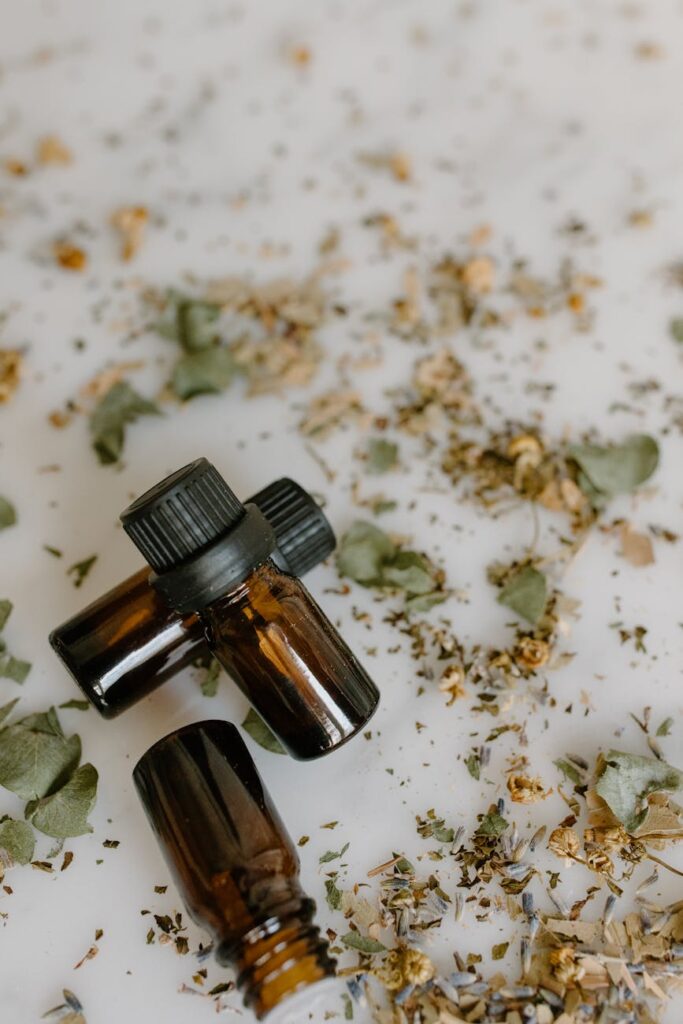
How to Use Peppermint Essential Oil
Introduction
Peppermint essential oil has been celebrated for centuries for its invigorating scent and versatile applications. Derived from the leaves of the Mentha × piperita plant, peppermint oil is often used in various practices, including aromatherapy, personal care, and household cleaning. This article will explore the characteristics, benefits, and applications of peppermint essential oil, alongside safety considerations and storage tips.
What Is Peppermint Essential Oil?
Peppermint essential oil is extracted from the steam distillation of the aerial parts of the peppermint plant. This hybrid of watermint and spearmint boasts a robust menthol aroma, which is both refreshing and uplifting. The primary constituent of peppermint oil is menthol, responsible for its characteristic cooling sensation and distinct scent. Other notable components include menthone, isomenthone, and various monoterpenes, contributing to its therapeutic qualities.
Key Benefits and Properties
Peppermint essential oil is renowned for its numerous benefits and properties, which include:
- Cooling Effect: The menthol content in peppermint oil creates a cooling sensation when applied topically or inhaled, making it popular for soothing discomfort.
- Digestive Support: Traditionally, peppermint has been associated with digestive health, often aiding in alleviating feelings of bloating and discomfort.
- Mental Clarity: The invigorating aroma of peppermint essential oil is believed to enhance focus and concentration, making it a popular choice for studying or working.
- Respiratory Relief: Inhaling peppermint oil may help clear the airways and promote easier breathing, particularly during allergy season.
- Muscle Relaxation: The oil is often used in massages to help relieve muscle tension and soreness due to its warming and soothing properties.
- Diffusion: Adding a few drops of peppermint oil to a diffuser can help freshen the air and create an invigorating atmosphere.
- Topical Application: When diluted with a carrier oil, peppermint oil can be applied to the skin for localized relief from muscle tension or headaches.
- Personal Care Products: Peppermint oil is commonly found in toothpaste, mouthwash, shampoos, and lotions due to its refreshing scent and antimicrobial properties.
- Household Cleaning: Its antibacterial properties make peppermint oil a popular ingredient in homemade cleaning formulations.
- Culinary Uses: In its food-grade form, peppermint oil can be used to flavor dishes, teas, and desserts, providing a minty freshness.
- Inhalation: Simply opening a bottle of peppermint oil and inhaling deeply can provide an immediate sense of refreshment. Alternatively, you can place a few drops on a cotton ball and inhale as needed.
- Diffusion Blends: Peppermint oil blends well with other essential oils. Try combining it with lavender, eucalyptus, or citrus oils to create a refreshing and uplifting atmosphere.
- Personal Inhalers: Consider creating a personal inhaler by adding a few drops of peppermint essential oil to a cotton wick inside a small tube. Inhale as needed throughout the day for a quick pick-me-up.
- Massage Oils: Combine peppermint essential oil with a carrier oil (such as coconut or jojoba oil) for a soothing massage. This application can help relieve muscle tension while providing a refreshing scent.
- Dilution: Always dilute peppermint oil with a carrier oil before applying it to the skin to reduce the risk of irritation. A common dilution ratio is 2-3 drops of essential oil per teaspoon of carrier oil.
- Skin Sensitivity: Conduct a patch test before applying peppermint oil to larger areas of skin. Apply a diluted mixture to a small area and observe for any adverse reactions.
- Pregnancy and Nursing: Pregnant and nursing women should consult a healthcare professional before using peppermint essential oil, as its effects during these periods are not well-studied.
- Children and Infants: Peppermint oil is not recommended for children under two years of age. For older children, dilute the oil significantly before use.
- Pre-existing Conditions: Individuals with certain medical conditions, such as gastroesophageal reflux disease (GERD) or epilepsy, should exercise caution and consult a healthcare professional before use.
- Cool, Dark Place: Store peppermint oil in a cool, dark location away from direct sunlight and heat sources. A cabinet or drawer is typically suitable.
- Tightly Sealed Container: Keep the oil in its original dark glass bottle, ensuring it is tightly sealed to prevent oxidation and degradation.
- Shelf Life: Generally, peppermint essential oil has a shelf life of around 1-3 years when stored properly. However, always check for any changes in scent or consistency before use, as these may indicate spoilage.
Common Uses
Peppermint essential oil is versatile and can be used in various forms. Here are some common applications:
Aromatherapy Applications
Aromatherapy utilizes the therapeutic properties of essential oils to enhance physical and emotional well-being. Here are some effective ways to incorporate peppermint essential oil into your aromatherapy practice:
Safety Considerations
While peppermint essential oil is generally safe for most individuals when used appropriately, certain precautions should be observed:
Storage and Shelf Life
To maintain the quality and efficacy of peppermint essential oil, proper storage is essential:
Frequently Asked Questions
Can I ingest peppermint essential oil?
Ingesting essential oils should be approached with caution. Always consult a healthcare professional before considering oral consumption, as essential oils can be very potent and may cause adverse reactions if not used appropriately.
Can peppermint essential oil be used in cooking?
Yes, food-grade peppermint essential oil can be used to flavor various dishes, beverages, and desserts. However, ensure you are using a high-quality, food-safe oil and start with a small amount, as it is highly concentrated.
How does peppermint essential oil help with headaches?
Peppermint oil may provide relief from headaches when applied topically to the temples or inhaled. Its cooling effect and ability to promote circulation are believed to contribute to its effectiveness.
Is peppermint essential oil safe for pets?
Peppermint essential oil can be harmful to pets, particularly cats and dogs. If you are considering using essential oils in a home with pets, consult a veterinarian for guidance.
How can I use peppermint oil for a stuffy nose?
To help relieve congestion, you can add a few drops of peppermint essential oil to a diffuser or a bowl of hot water. Inhaling the steam can help clear nasal passages.
Conclusion
Peppermint essential oil is a versatile and widely appreciated oil that offers a range of benefits and applications. Whether used in aromatherapy, personal care, or culinary endeavors, it can enhance your daily life with its invigorating aroma and therapeutic properties. However, it is crucial to use peppermint oil responsibly, following safety guidelines and storage recommendations to fully enjoy its benefits.