
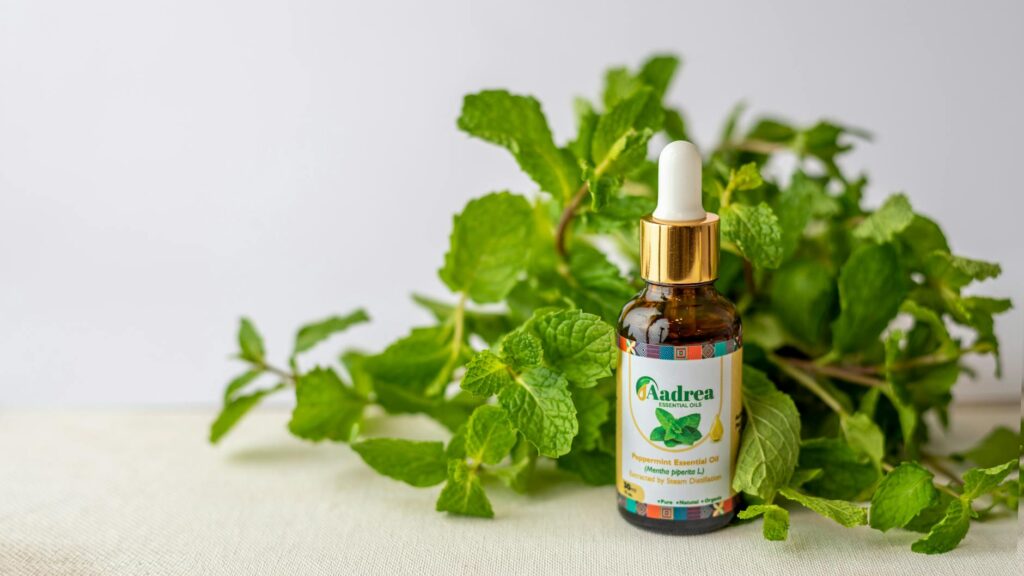
How to Use Peppermint Oil
Introduction
Peppermint oil is a popular essential oil known for its invigorating aroma and versatile applications. Extracted from the leaves of the peppermint plant (Mentha × piperita), this oil has been cherished for centuries for its refreshing scent and numerous benefits. This article will provide an in-depth look at peppermint oil, exploring its properties, common uses, and how to safely incorporate it into your daily routine.
What Is Peppermint Oil?
Peppermint oil is an essential oil derived from the steam distillation of the leaves and flowering tops of the peppermint plant. This hybrid species is a cross between watermint and spearmint, boasting a unique composition that contributes to its distinctive aroma and therapeutic properties. The oil is characterized by its sharp, cool scent, which is often associated with freshness and vitality.
The primary active constituents of peppermint oil include menthol, menthone, and various other terpenes and alcohols, which are responsible for its characteristic fragrance and effects. Due to its potent nature, peppermint oil is commonly diluted before use, especially when applied to the skin or used in aromatherapy.
Key Benefits and Properties
Peppermint oil is celebrated for several key benefits and properties:
1. Refreshing and Invigorating: The scent of peppermint oil is often described as uplifting and energizing, making it a popular choice for combating fatigue and enhancing focus.
2. Cooling Sensation: The menthol component provides a cooling effect upon application, which can create a soothing sensation on the skin.
3. Digestive Support: Peppermint oil is traditionally recognized for its potential to support digestive health, often used in various forms to alleviate feelings of discomfort.
4. Antimicrobial Properties: Laboratory studies suggest that peppermint oil may exhibit antimicrobial activity, making it a popular ingredient in natural cleaning products.
5. Respiratory Health: The invigorating aroma is often used to promote clear breathing, making it a common choice for respiratory support.
6. Mood Enhancement: The uplifting properties of peppermint oil may contribute to improved mood and mental clarity, making it a favorite in aromatherapy practices.
Common Uses
Peppermint oil can be utilized in various ways, including:
1. Aromatherapy: Diffusing peppermint oil in a space can create an uplifting environment, enhancing mood and concentration.
2. Topical Applications: When diluted with a carrier oil, peppermint oil can be applied to the skin for a cooling effect, particularly useful after physical activity.
3. Household Cleaner: Its antimicrobial properties make peppermint oil a great addition to homemade cleaning solutions.
4. Cooking and Baking: Peppermint oil can be used to flavor dishes, candies, and beverages. However, one must ensure to use food-grade peppermint oil for culinary applications.
5. Bath Products: Adding a few drops of peppermint oil to bathwater can create a refreshing and invigorating bathing experience.
Aromatherapy Applications
In the realm of aromatherapy, peppermint oil is highly regarded for its vibrant and stimulating properties. Here are some popular methods of using peppermint oil in aromatherapy:
1. Diffusion: Use an essential oil diffuser to disperse peppermint oil into the air. This method can create an invigorating atmosphere, ideal for workspaces or areas where concentration is desired.
2. Inhalation: For a quick boost, place a drop or two of peppermint oil on a tissue or cotton ball and inhale deeply. This method can provide immediate refreshment, especially during moments of fatigue.
3. Massage: When blended with a carrier oil, peppermint oil can be used for massage. The cooling sensation may help to relieve tension in sore muscles.
4. Bathing: Add peppermint oil to a warm bath for a refreshing experience. Be sure to mix it with a carrier oil or bath gel to avoid skin irritation.
5. Sleep Enhancement: A few drops of peppermint oil on a cotton ball placed near your pillow can promote a refreshing and invigorating sleep environment.
Safety Considerations
While peppermint oil is generally regarded as safe when used appropriately, there are important safety considerations to bear in mind:
1. Dilution: Always dilute peppermint oil with a carrier oil before applying it to the skin. A common dilution ratio is one part peppermint oil to three parts carrier oil.
2. Patch Test: Conduct a patch test before using peppermint oil topically. Apply a small amount of diluted oil to a small area of skin and observe for any adverse reactions.
3. Pregnancy and Nursing: Pregnant or nursing individuals should consult with a qualified healthcare professional before using peppermint oil.
4. Children: Peppermint oil is not recommended for use on children under the age of two. For older children, a higher dilution ratio is advisable.
5. Avoid Sensitive Areas: Keep peppermint oil away from sensitive areas such as the eyes, mucous membranes, and broken skin.
6. Medical Conditions: Individuals with specific medical conditions, such as gastroesophageal reflux disease (GERD) or certain allergies, should consult a healthcare professional before using peppermint oil.
Storage and Shelf Life
Proper storage of peppermint oil is essential to maintain its effectiveness and quality. Here are some storage tips:
1. Cool, Dark Place: Store peppermint oil in a cool, dark place away from direct sunlight and heat sources.
2. Tightly Sealed Containers: Always keep the bottle tightly sealed to prevent oxidation and contamination.
3. Shelf Life: When stored correctly, peppermint oil has a shelf life of approximately 1 to 3 years. Check the bottle for a ‘best by’ date, if available.
4. Avoid Water Contamination: Ensure that the dropper or bottle does not come into contact with water, as this can promote bacterial growth.
Frequently Asked Questions
1. Can I use peppermint oil for cooking?
Yes, peppermint oil can be used in cooking and baking, but ensure that you are using a food-grade oil. Use it sparingly, as the flavor can be quite strong.
2. How can I use peppermint oil for headaches?
A common method is to dilute peppermint oil with a carrier oil and apply it to the temples and back of the neck. The cooling effect may provide comfort.
3. Is peppermint oil safe for pets?
Peppermint oil may not be safe for all pets, particularly cats and dogs in high concentrations. Consult a veterinarian before using essential oils around animals.
4. Can I mix peppermint oil with other essential oils?
Yes, peppermint oil blends well with a variety of essential oils, including lavender, lemon, and eucalyptus. Experimenting with different combinations can create unique aromatic experiences.
5. How should I choose a quality peppermint oil?
Look for pure, organic peppermint oil from reputable suppliers. Check for third-party testing and ensure that the oil is free from synthetic additives or fillers.
Conclusion
Peppermint oil is a versatile and refreshing essential oil with a range of applications and benefits. From invigorating aromatherapy practices to practical household uses, this oil can easily be integrated into daily life. By understanding its properties and following safety guidelines, individuals can enjoy the myriad advantages of peppermint oil while maintaining a mindful approach to its use. Always prioritize quality and safety to ensure a positive experience with this remarkable essential oil.