
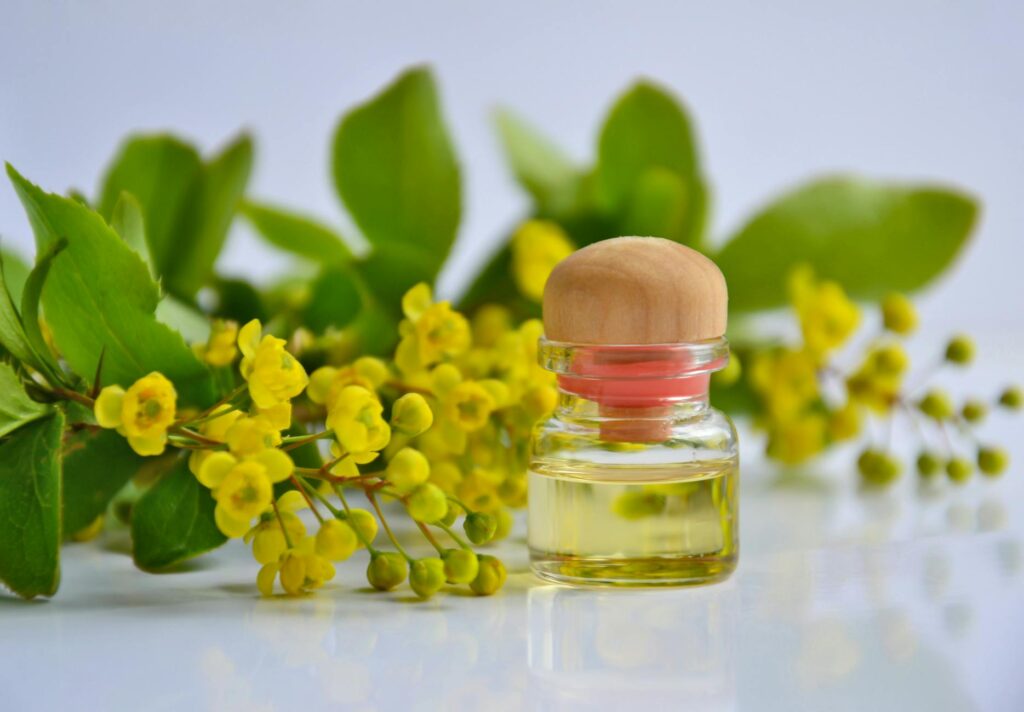
How to Use Pistachio Oil
Introduction
Pistachio oil, derived from the seeds of the pistachio tree (Pistacia vera), has been a cherished ingredient in culinary traditions for centuries. However, its applications extend far beyond the kitchen. The oil is increasingly recognized for its various benefits in skincare, hair care, and aromatherapy. This article delves into the properties, uses, and safety considerations of pistachio oil, offering a comprehensive look at this versatile oil.
What Is Pistachio Oil?
Pistachio oil is a cold-pressed oil obtained from the nuts of the pistachio tree, which is native to the Middle East and Central Asia but is now cultivated in various regions worldwide. The oil has a distinct green hue and a rich, nutty aroma, which makes it a delightful addition to culinary dishes. Beyond its flavor, the oil is prized for its nutritional profile, containing essential fatty acids, vitamins, and antioxidants.
Key Benefits and Properties
Pistachio oil is known for several beneficial properties:
1. Nutritional Composition: It is rich in monounsaturated fats, particularly oleic acid, which is known to support heart health. Additionally, it contains polyunsaturated fats and omega-3 and omega-6 fatty acids.
2. Antioxidant Properties: The oil contains various antioxidants, including vitamin E and carotenoids, which help combat oxidative stress and protect cells from damage.
3. Moisturizing Agent: With its emollient properties, pistachio oil is often used in skincare formulations to hydrate and nourish the skin.
4. Anti-inflammatory Effects: Some studies suggest that the oil may have anti-inflammatory properties, making it a soothing option for various skin conditions.
5. Hair Nourishment: Pistachio oil can help strengthen hair, add shine, and reduce dryness, making it a popular ingredient in hair care products.
Common Uses
Pistachio oil can be used in a variety of ways, including:
Culinary Uses
- Salad Dressings: Its nutty flavor makes pistachio oil an excellent base for salad dressings and vinaigrettes.
- Drizzling: Use it as a finishing oil over dishes like grilled vegetables, pasta, or seafood to enhance flavor.
- Baking: Incorporate it into baked goods for added richness and a subtle nutty flavor.
- Moisturizer: Apply it directly to the skin or mix it with other carrier oils for a nourishing moisturizer.
- Massage Oil: Pistachio oil can be blended with essential oils for a soothing massage experience.
- Lip Care: Its moisturizing properties make it a great addition to lip balms and glosses.
- Conditioner: Use it as a leave-in conditioner or add it to regular conditioners for added hydration.
- Scalp Treatment: Massage it into the scalp to promote healthy hair growth and alleviate dryness.
- Storage: Store pistachio oil in a cool, dark place, away from direct sunlight and heat. A pantry or cupboard is ideal.
- Container: Use a dark glass bottle to minimize exposure to light, which can degrade the oil over time.
- Shelf Life: When stored properly, pistachio oil can last for up to one year. However, it is advisable to check for any off odors or changes in color before use.
Skincare
Hair Care
Aromatherapy Applications
In the realm of aromatherapy, pistachio oil can be used to enhance emotional well-being and create a calming environment. While it is not as commonly used as some other essential oils, its unique scent can be beneficial in various ways:
1. Diffusion: Add a few drops of pistachio oil to a diffuser to create a warm and inviting atmosphere. Its nutty aroma can help alleviate feelings of stress and promote relaxation.
2. Blending: Pistachio oil can be blended with other essential oils to create personalized scents. It pairs well with oils such as lavender, bergamot, and sandalwood, enhancing their therapeutic effects.
3. Topical Application: When diluted with a carrier oil, pistachio oil can be applied to pulse points to promote emotional balance and tranquility.
Safety Considerations
While pistachio oil is generally considered safe for most people, there are some important safety considerations to keep in mind:
1. Allergies: Individuals with nut allergies should exercise caution when using pistachio oil. A patch test is recommended before applying it to larger areas of the skin.
2. Dilution: When used in aromatherapy, it is essential to dilute pistachio oil with a carrier oil, especially for topical applications.
3. Pregnancy and Nursing: Pregnant or nursing women should consult with a healthcare professional before using any new oils or supplements, including pistachio oil.
4. Quality: Ensure that you purchase high-quality, food-grade pistachio oil from reputable sources to avoid contamination.
Storage and Shelf Life
Proper storage is essential to maintain the quality of pistachio oil. Here are some guidelines:
Frequently Asked Questions
1. Can pistachio oil be used for cooking?
Yes, pistachio oil is great for cooking, especially in salad dressings and as a finishing oil. However, it has a low smoke point, so it is not recommended for high-heat cooking methods like frying.
2. Is pistachio oil safe for sensitive skin?
Pistachio oil is generally considered safe for most skin types, including sensitive skin. However, performing a patch test before widespread use is advisable.
3. Can pistachio oil help with hair loss?
While pistachio oil contains nutrients that can nourish the scalp and hair, it is not a guaranteed solution for hair loss. It can, however, promote healthier hair and scalp conditions.
4. How should I incorporate pistachio oil into my skincare routine?
Pistachio oil can be applied directly to the skin, used in homemade skincare products, or blended with other carrier oils and essential oils for added benefits.
5. What is the best way to blend pistachio oil for aromatherapy?
For aromatherapy, dilute pistachio oil with a carrier oil, such as jojoba or sweet almond oil, before applying it to the skin. It can also be added to a diffuser or mixed with other essential oils for a custom blend.
Conclusion
Pistachio oil is a versatile and beneficial oil that can enhance culinary experiences, nourish the skin, and contribute to emotional well-being through aromatherapy. Understanding its properties, uses, and safety considerations will allow individuals to incorporate this delightful oil into their daily routines effectively. Whether used in cooking, skincare, or relaxation practices, pistachio oil offers a wealth of benefits that are worth exploring.