
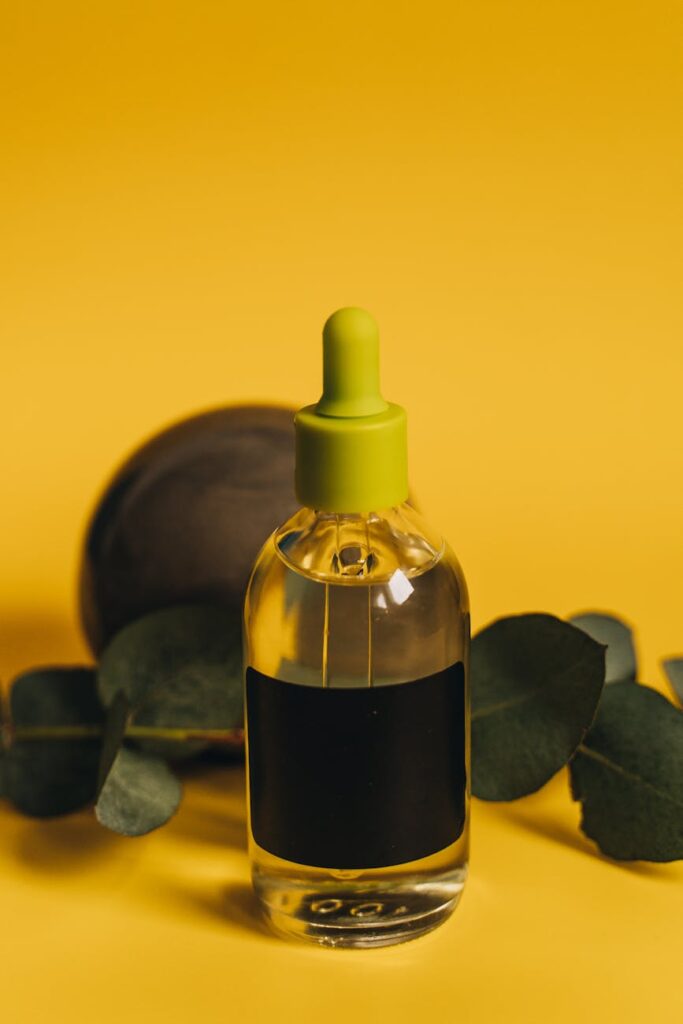
How to Use Prickly Pear Seed Oil
Introduction
Prickly pear seed oil, derived from the seeds of the prickly pear cactus (Opuntia ficus-indica), is gaining recognition for its various applications in skincare, haircare, and aromatherapy. This oil is celebrated for its rich nutrient profile and unique properties, making it a valuable addition to personal care regimens. This article will explore the characteristics of prickly pear seed oil, its benefits, and its various uses and applications in aromatherapy, while also addressing safety considerations and proper storage methods.
What Is Prickly Pear Seed Oil?
Prickly pear seed oil, also known as barbary fig seed oil or cactus seed oil, is extracted from the seeds of the prickly pear fruit through cold-pressing. The prickly pear cactus is native to Mexico and other parts of the Americas but has since spread to various regions around the world. The oil is light yellow in color and has a slightly nutty aroma, making it an appealing ingredient in both cosmetic formulations and standalone applications.
The oil is rich in essential fatty acids, antioxidants, vitamins, and minerals, contributing to its effectiveness in promoting healthy skin and hair. Its unique composition makes it suitable for various skin types, including sensitive and oily skin.
Key Benefits and Properties
Prickly pear seed oil boasts an array of beneficial properties that contribute to its popularity:
1. Hydration
The oil is rich in linoleic acid, which helps to retain moisture in the skin, making it an effective natural moisturizer. It penetrates deeply without leaving a greasy residue, making it suitable for those with oily or combination skin.
2. Antioxidant Properties
Packed with antioxidants, including vitamin E and betalains, prickly pear seed oil helps combat oxidative stress, which can lead to premature aging and skin damage. Antioxidants play a crucial role in neutralizing free radicals, thus protecting skin health.
3. Anti-Inflammatory Effects
The oil contains several compounds known for their anti-inflammatory properties, which can help soothe irritated or inflamed skin. This makes it beneficial for conditions such as acne or eczema.
4. Skin Regeneration
Prickly pear seed oil is known to support skin regeneration and healing due to its rich fatty acid profile and vitamins. It can help improve skin texture and promote a youthful appearance.
5. Hair Benefits
This oil is beneficial for hair health, providing nourishment and hydration. It can help reduce frizz, improve shine, and strengthen hair strands, making it a valuable ingredient in haircare formulations.
Common Uses
Prickly pear seed oil can be used in various ways across skincare and haircare:
1. Facial Oil
As a facial oil, it can be applied directly to the skin. A few drops can be massaged into the face, neck, and décolletage after cleansing, serving as a hydrating and nourishing treatment.
2. Moisturizer
It can be blended with other carrier oils or creams to enhance moisturizing properties. Mixing prickly pear seed oil with argan oil or jojoba oil can create a powerful moisturizing blend.
3. Hair Treatment
To use it as a hair treatment, a few drops can be applied to damp hair, focusing on the ends to help reduce frizz and enhance shine. It can also be added to shampoos or conditioners for additional nourishment.
4. Body Oil
Prickly pear seed oil can be blended into body lotions or used on its own as a body oil. This application helps to hydrate and soften the skin, particularly in dry areas.
Aromatherapy Applications
While prickly pear seed oil is primarily known for its skincare and haircare benefits, it can also be utilized in aromatherapy. Its light texture and pleasant aroma make it a suitable carrier oil for essential oils. Here are a few ways to incorporate it into aromatherapy practices:
1. Carrier Oil for Essential Oils
Prickly pear seed oil can be used to dilute essential oils before topical application. Combining it with essential oils like lavender, frankincense, or tea tree oil can create a soothing blend for relaxation or skincare.
2. Massage Oil
When blended with essential oils, prickly pear seed oil can serve as an excellent massage oil. Its hydrating properties allow for smooth application while providing nourishment to the skin.
3. Diffuser Blend
While prickly pear seed oil is not typically used in a diffuser, it can be mixed with essential oils in a personal inhaler or roll-on for on-the-go aromatherapy.
Safety Considerations
While prickly pear seed oil is generally considered safe for topical use, it is essential to take certain precautions:
1. Patch Test
Before using prickly pear seed oil for the first time, conduct a patch test. Apply a small amount to a discreet area of skin to check for any adverse reactions.
2. Allergies
Individuals with known allergies to cactus species should exercise caution and consult with a healthcare professional before use.
3. Avoid Eye Contact
As with all oils, it is important to avoid contact with the eyes. If contact occurs, rinse thoroughly with water.
4. Consult a Professional
If you are pregnant, nursing, or have underlying health conditions, it is advisable to consult a healthcare professional before incorporating new oils into your regimen.
Storage and Shelf Life
Proper storage of prickly pear seed oil is crucial to maintain its quality and extend its shelf life:
1. Storage Conditions
Store prickly pear seed oil in a cool, dark place, away from direct sunlight and heat sources. A dark glass bottle is ideal for protecting the oil from light exposure.
2. Shelf Life
When stored correctly, prickly pear seed oil can last for approximately 1 to 2 years. However, it is advisable to check for any changes in smell or appearance before use, as these can indicate spoilage.
Frequently Asked Questions
1. Can prickly pear seed oil be used on all skin types?
Yes, prickly pear seed oil is suitable for various skin types, including sensitive, oily, and dry skin, due to its lightweight and non-comedogenic nature.
2. Is prickly pear seed oil safe for use during pregnancy?
While prickly pear seed oil is generally considered safe, it is advisable to consult with a healthcare professional before use during pregnancy.
3. Can prickly pear seed oil help with acne?
Due to its anti-inflammatory and hydrating properties, prickly pear seed oil may help soothe irritated skin and balance oil production, making it a beneficial option for acne-prone skin.
4. How often should I use prickly pear seed oil?
Usage can vary depending on personal preference, but incorporating it into your daily skincare or haircare routine can yield the best results. A few drops can be used daily or as needed.
5. Can prickly pear seed oil be mixed with other oils?
Yes, prickly pear seed oil can be blended with various carrier oils, such as jojoba or argan oil, and essential oils for customized skincare or haircare solutions.
Conclusion
Prickly pear seed oil is a versatile and nutrient-rich oil that offers numerous benefits for skincare and haircare. Its hydrating, antioxidant, and anti-inflammatory properties make it a valuable addition to many personal care regimens. Whether used as a facial oil, in hair treatments, or as a carrier oil in aromatherapy, prickly pear seed oil presents various opportunities for enhancing overall wellness. With proper storage and usage, this oil can be a long-lasting and effective component of your beauty and self-care routines.