
How to Use Pumpkin Seed Oil
Introduction
Pumpkin seed oil has gained popularity in recent years, not only for its culinary uses but also for its potential benefits in personal care and wellness. Extracted from the seeds of the pumpkin (Cucurbita pepo), this oil is rich in nutrients and has a unique flavor profile that enhances various dishes. Beyond its culinary applications, pumpkin seed oil is also valued in aromatherapy and holistic practices. This article will explore what pumpkin seed oil is, its key benefits and properties, common uses, aromatherapy applications, safety considerations, storage, and frequently asked questions.
What Is Pumpkin Seed Oil?
Pumpkin seed oil, also known as pepita oil, is derived from the roasted seeds of the pumpkin plant. The oil is typically cold-pressed to retain its nutritional properties, resulting in a rich, dark green oil with a nutty flavor. The extraction process can vary, but the quality of the oil is often determined by factors such as the type of pumpkin seeds used, the method of extraction, and the processing conditions.
This oil is predominantly used in culinary applications, particularly in salads, dressings, and as a finishing oil for various dishes. However, its benefits extend beyond just cooking, making it a versatile addition to both dietary and personal care regimens.
Key Benefits and Properties
Pumpkin seed oil is celebrated for its rich composition, which includes essential fatty acids, antioxidants, vitamins, and minerals. Some of its key components include:
- Fatty Acids: Rich in unsaturated fatty acids, particularly oleic and linoleic acids, which are beneficial for heart health and maintaining skin integrity.
- Antioxidants: Contains vitamin E and phytosterols, which can help combat oxidative stress.
- Zinc: A crucial mineral that supports immune function and skin health.
- Magnesium: Important for muscle and nerve function.
- Lavender: Known for its calming properties, lavender can enhance relaxation when blended with pumpkin seed oil.
- Peppermint: The invigorating scent of peppermint can create a refreshing blend, suitable for uplifting the mood.
- Rosemary: Often associated with mental clarity and focus, rosemary can complement the earthy notes of pumpkin seed oil.
- Allergies: Individuals with allergies to pumpkin or related plants should avoid using pumpkin seed oil.
- Skin Sensitivity: Conduct a patch test before applying it topically to ensure no adverse reactions occur.
- Dietary Restrictions: If you have specific dietary concerns or conditions, consult a healthcare professional before incorporating pumpkin seed oil into your diet.
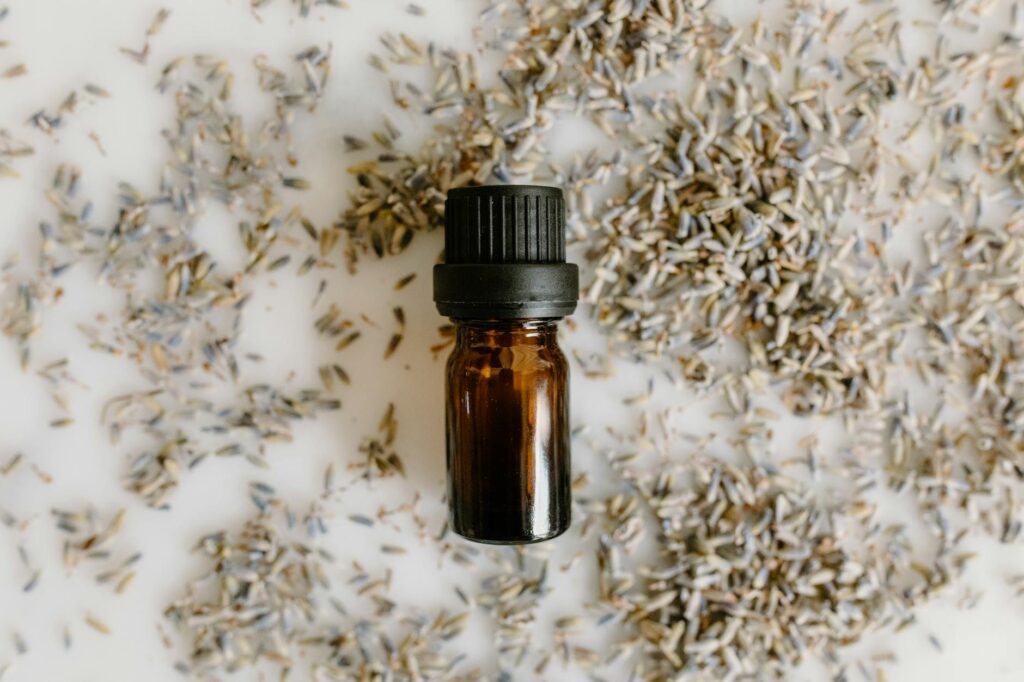
- Dark Container: Keep the oil in a dark glass bottle to protect it from light exposure, which can degrade its quality.
- Cool Environment: Store it in a cool, dark place, such as a pantry or refrigerator, to prolong its shelf life.
- Expiration: Typically, pumpkin seed oil has a shelf life of about 6 to 12 months once opened. Always check for any off smells or changes in color before use.
These components contribute to various potential benefits, such as promoting skin health, supporting hair growth, and enhancing overall nutritional well-being.
Common Uses
Pumpkin seed oil can be used in numerous ways, making it a versatile ingredient in both culinary and personal care applications.
Culinary Uses
1. Salad Dressings: Its nutty flavor makes it an excellent base for salad dressings. Pair it with vinegar or citrus juices for a refreshing dressing.
2. Cooking: While it has a low smoke point, pumpkin seed oil can be used in low-heat cooking or as a finishing oil for roasted vegetables and grains.
3. Baked Goods: Incorporate it into muffins, breads, or granola for an added nutritional boost.
4. Drizzling: Use it as a drizzle over soups or pasta dishes to enhance flavor.
Personal Care
1. Moisturizer: Its nourishing properties make it a popular choice for skin moisturizers, helping to hydrate and soften the skin.
2. Hair Care: Pumpkin seed oil can be massaged into the scalp to promote healthy hair and potentially reduce hair loss.
3. Massage Oil: When blended with essential oils, it can serve as an effective carrier oil for massages.
Aromatherapy Applications
In aromatherapy, pumpkin seed oil is often used as a carrier oil, due to its gentle and nourishing properties. It can be blended with various essential oils to create soothing and aromatic experiences.
Blending with Essential Oils
When using pumpkin seed oil in aromatherapy, consider blending it with the following essential oils:
Diffusion and Inhalation
While pumpkin seed oil is not typically used in diffusers, its benefits can be more effectively harnessed when used topically or in massage blends.
Safety Considerations
While pumpkin seed oil is generally considered safe for most individuals, a few safety considerations should be noted:
Storage and Shelf Life
To maintain the quality of pumpkin seed oil, it is essential to store it properly. Here are some tips:
Frequently Asked Questions
1. Can pumpkin seed oil be used for cooking?
Yes, pumpkin seed oil can be used in cooking, especially as a finishing oil or in low-heat applications. However, it is not recommended for high-heat cooking due to its low smoke point.
2. Is pumpkin seed oil safe for all skin types?
While generally safe, individuals with allergies to pumpkin or those with sensitive skin should conduct a patch test before using it topically.
3. Does pumpkin seed oil have any nutritional benefits?
Yes, pumpkin seed oil is rich in essential fatty acids, vitamins, and minerals that contribute to overall health and well-being when included in the diet.
4. How should I incorporate pumpkin seed oil into my skincare routine?
You can use pumpkin seed oil as a moisturizer, by applying a small amount directly to the skin, or as a carrier oil for essential oils. It can also be used in hair care routines by massaging it into the scalp.
5. Can pumpkin seed oil be used in aromatherapy?
Yes, pumpkin seed oil is commonly used as a carrier oil in aromatherapy, allowing for the safe application of essential oils on the skin.
Conclusion
Pumpkin seed oil is a versatile and nutrient-rich oil that can enhance both culinary creations and personal care routines. With its unique flavor and numerous benefits, it serves as a valuable addition to a holistic lifestyle. Whether you choose to incorporate it into your diet or use it in aromatherapy, understanding its properties and uses can help you fully appreciate the potential of this remarkable oil. Always remember to store it properly and consider safety precautions to ensure the best experience with pumpkin seed oil.